

The 2026 FIFA World Cup was designed to be historic – the first to be hosted across three countries – the United States, Canada, and Mexico, and the largest edition of the tournament in terms of participating teams and global reach. On the surface, it is being framed as a celebration of unity and expansion, a tournament that brings continents together under the banner of football. Yet as the kickoff approaches, the atmosphere surrounding it suggests something far more complicated: this is not just a sporting spectacle, but an event deeply shaped by politics, economics, and global tensions that extend far beyond the pitch.
What makes this edition different is not just its size, but the environment it is being played in. Unlike previous World Cups where geopolitical issues remained mostly in the background, the 2026 tournament is unfolding in a world already defined by tightened borders, active conflicts, and rising scrutiny over international mobility. Football is still at the centre, but it is no longer insulated from the forces shaping global movement and power.
A Three-Nation Tournament With Uneven Political Realities
While FIFA has promoted the tri-nation hosting model as a symbol of cooperation, the reality on the ground is far more uneven. The United States, which will host the majority of matches, sits at the centre of political and security debates that are directly influencing the tournament experience. Immigration enforcement policies, visa scrutiny, and broader border controls are not peripheral issues. They are actively shaping who can attend, who can work at the event, and how teams move across host nations.
This creates a fragmented World Cup experience despite its unified branding. Teams, officials, and fans are not operating in a single seamless environment but are instead navigating three different political systems with very different approaches to security and entry. Canada and Mexico provide alternative bases, but the scale and influence of the United States means its policies inevitably dominate the tournament’s logistical and political tone. The result is a World Cup that is unified in name but uneven in practice, where access becomes dependent not just on sporting qualification but on geopolitical circumstance.
Iran, Visa Barriers, and the Politics of Participation
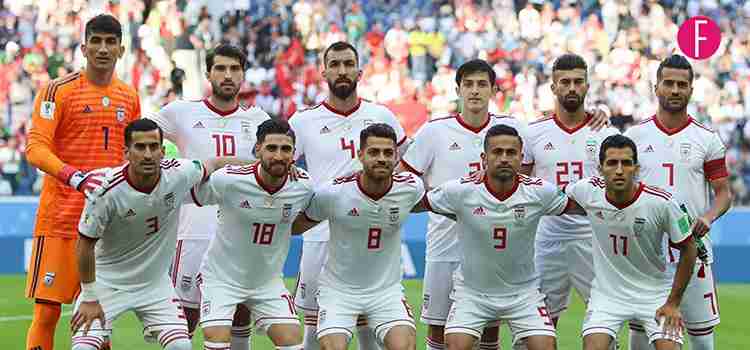
One of the most striking examples of this tension is the situation surrounding Iran’s participation. While the national team has qualified and is set to compete, reports indicate that several members of its delegation, including officials and support staff, have faced visa denials from the United States. This has forced the team into an unusual and highly symbolic arrangement, with reports suggesting they are based in Mexico and required to travel into the United States only for matches before returning immediately after.
This kind of arrangement highlights how political boundaries are now directly shaping sporting participation. A World Cup team is no longer simply hosted within a country. It is being managed through immigration systems that determine the movement of individuals associated with that team. The implications go beyond inconvenience. They introduce a layer of uncertainty into preparation, disrupt team cohesion, and place political authority over logistical continuity.
The issue becomes even more pronounced when extended beyond teams to officials. Reports of Somali referee Omar Abdulkadir Artan being denied entry into the United States despite being selected for the tournament underline how deeply these restrictions reach into the structure of the competition itself. Referees are meant to represent neutrality in football, yet even they are not entirely insulated from geopolitical filtering. When match officials, staff, and delegates face entry barriers, it raises fundamental questions about how neutral a global tournament can truly be when access is politically regulated.
Commercialization, Ticket Prices, and the Changing Audience of Football
Alongside political tensions, the 2026 World Cup is also being shaped by a sharp commercial shift. Ticket prices have surged to unprecedented levels, prompting criticism from fans and commentators. FIFA has defended these increases by arguing that they reflect market demand and global pricing standards, positioning the tournament as a premium entertainment product rather than a publicly accessible sporting event.
But this commercial framing changes the nature of the World Cup audience. Football’s biggest tournament, once celebrated for its relative accessibility and global inclusiveness, is increasingly becoming stratified by economic capacity. Attendance is no longer just about national loyalty or enthusiasm for the sport, but also about financial ability to absorb rising costs associated with travel, accommodation, and ticketing.
This commercialisation interacts directly with the political environment. High prices combined with stricter visa regimes create a double filter — one economic and one bureaucratic. The result is a more controlled and selective audience composition, where spontaneous global participation becomes harder and attendance is increasingly concentrated among those with both financial means and unrestricted mobility.
Football in a Geopolitical Era
The broader geopolitical climate surrounding the tournament reinforces the sense that this World Cup is unfolding in an unusually charged moment. Ongoing tensions involving Iran, US foreign policy, and wider Middle Eastern conflicts have already influenced diplomatic relations and travel conditions connected to the event. At the same time, immigration policy in the United States has turned border control into a politically sensitive issue that directly intersects with sport.
Even security planning for the tournament reflects this environment, with heightened attention on surveillance, enforcement, and potential unrest. What emerges is a situation in which football is no longer operating independently of global politics, but is instead embedded within it. The World Cup becomes a stage where international relations, domestic policy, and global mobility all intersect in real time.
The 2026 World Cup will still deliver the unpredictability, emotion, and global attention that defines the sport at its highest level. But it will also be remembered for something beyond the matches themselves. It is becoming a tournament shaped as much by who can enter the stadium as by what happens inside it.
Between rising commercial pressures, visa restrictions, and geopolitical tensions, this edition reflects a broader shift in global sport — where football is no longer just a unifying cultural force, but also a space where borders, policies, and power structures are visibly present. The game remains the same on the pitch, but everything surrounding it has changed.
Sources: Council on Foreign Relations, BBC, Al-Jazeera, DW, Anadolu Ajansı

