

About to head into your gel nail appointment? Take a deep dive into the dangers of gel nails before you go ahead, you might just be surprised….
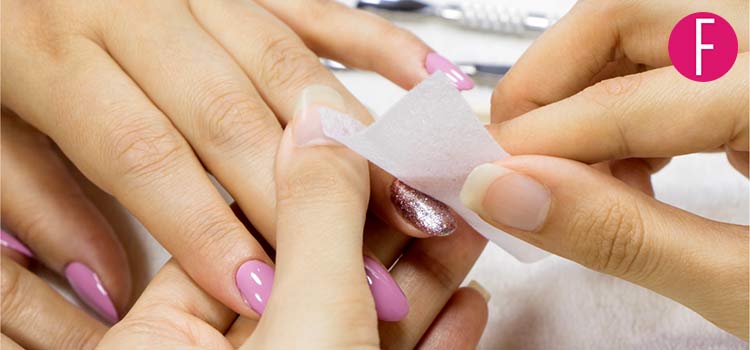
When it comes to beauty, trends come and go. But one has stayed pretty consistent, and that’s gel nail manicures. Gel nails offer a long-lasting and glossy finish that traditional nail polish can’t match. While they may seem like a dream come true for anyone who wants chip-free, perfectly manicured nails for much longer BUT there are hidden dangers lurking beneath the surface of these seemingly harmless beauty treatments. The pristine always gorgeous-looking nails come at a cost, want to know more? Read on!
1. Cancer and Infection
It all comes down to the UV light. Believe it or not, that tingly feeling you get under the lamp is not normal! The biggest risk when it comes to gel nails is caused by radiation emitted from the curing process. UV lamps are essential to make the nail polish harden and increase durability but are these benefits worth the risk? The radiation can cause damage to skin cells, removing the protective outer layer of your skin. Without this layer, you are more susceptible to premature aging and skin cancer.
Also, these UV lamps provide the ideal warm environment for the growth of bacteria and fungi. Without proper sanitation, these can cause infection. For example, if cuticles are not pushed back in the process it leaves an entry point for infections. This is why ingrown nails and fungal infections are common for many gel nail enthusiasts.
2. Allergic Reactions
This particular drawback went viral on TikTok. It seems almost everyone is experiencing it. However, it is important to point out majority of allergic reactions were due to people attempting to do gel manicures themselves at home. This is why it is important to see a qualified nail tech for all your nail needs.
On the other hand, there are some people who really are allergic, no matter which way you go about it. Ingredients like acrylate compounds (eg. HEMA) are often found in gel nail polishes. Allergies to them can cause redness, itching, and swelling around the nail area. In severe cases, this can lead to blisters and a condition known as allergic contact dermatitis.
But are you actually allergic, or just careless with your application? If your nails are itching, burning, swollen, or peeling, or you’re experiencing contact dermatitis in areas where your nails have touched your skin even after being applied by a qualified nail tech, there’s your sign. If you have a history of skin sensitivity, don’t risk getting gel. Better safe than sorry!
3. Tedious Removal
It’s not just the application to be wary of, it’s the removal too! Usually, removal of gel nail polish involves soaking the nails in acetone or using abrasive methods to chip off the gel. This can lead to thinning, peeling, and even nail damage. Improper removal can result in long-lasting damage to the natural nail, leaving it weak and prone to breakage. People also report finding white spots and bumps, or an overall weakening of the nail plate. While acetone removal is the “gentlest” form of removal, it’s important to remember the chemical itself is far from gentle. Not only does it strip your nails of essential oils and moisture but breathing in acetone can irritate your eyes, nose, throat, and lungs. Skin contact with acetone can cause your skin to become dry, irritated, and cracked. So before you get gel nails, maybe think of how you plan on getting them off too.
4. The Chemical Cocktail
It’s not just the gel nail polish, but the accompanying products too that contain harmful chemicals. For example, primers and topcoats contain chemicals like formaldehyde, toluene, and DBP. Such chemicals can be absorbed into your bloodstream through your nail beds, causing a range of health concerns like respiratory issues, skin irritation, and even cancer in the long term.
What’s The Solution?
Now, fortunately, this does not mean you swear off gel nails entirely. Instead, there are some precautions to take when it comes to gel manicures. For example, for UV protection it is helpful to use plenty of sunscreen and fingerless gloves. These gloves should be made of UPF fabric to maximize effectiveness. It’s also important to make sure the process of getting your nails done is hygienic and well done by a qualified professional.
To sum up, don’t overdo gel nails. Balance is key! So remember to give your nails time to heal. If you choose to indulge in gel nails, stay safe because ultimately, being aware of the potential dangers and making informed choices is essential in the pursuit of beauty.
Disclaimer: This content in this article is meant for informational purposes only, not mediacl advice. Please contact your dermatologist or health professional if you experience any of the above symptoms.

