

As the makers of Zard Patton Ka Bunn wrap up preps behind the scenes to give this project its final touches, we reached out to Kashf Foundation founder Roshaneh Zafar to find out more about the initiative. Read on as she gives us some background to the narrative fans can’t wait to watch on their TV screens!
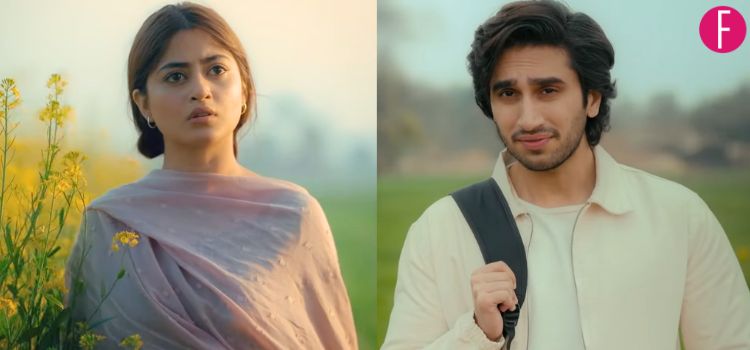
Kashf Foundation is the name behind thought provoking initiatives that have always left a lasting impact on Pakistani audiences. Over the years, the projects seek to not only drive a message, but also to entertain, so that the message takes on mass reach in Pakistan. Television is the best medium to do both – entertain with a message, and Kashf has endeavoured to do both, by harnessing some of the best writers, directors and cast so as to amplify their message throughout Pakistani audiences. Case in point is the recent Kuch Ankahi, and before that, Dil Na Umeed Toh Nahi, Aakhri Station, Udaari and so many more.
Zard Patton Ka Bunn has been penned by Mustafa Afridi and directed by Saife Hassan. It is a project of Kashf Foundation and Momina Duraid Productions, with a star cast featuring Sajal Ali, Hamza Sohail, Samiya Mumtaz, Rehan Sheikh, Ali Tahir, Saad Azhar, Adnan Shah Tipu, Syed Tanveer Hussain, Chaudhary Muhammad Usman, Mubashir Mehmood, Adeel Afzal, Najma Bibi, Zaryab Haider & Others. The project is all set to air soon on HUM TV.
So sit back as fan hype for Zard Patton Ka Bunn takes on monumental proportions and let’s get some answers from those who know. Over to Roshaneh Zafar from Kashf Foundation to tell us more.
Why the name Zard Patton Ka Bunn?
Roshaneh: “Well, this is a very interesting question to ask as the title of a drama embodies a great deal of significance” Responds Roshaneh and she continues: “It sets the flavour and tone of the narrative. Finding the right name to encapsulate any story is a very difficult process and like any other drama, deciding the right name for our serial wasn’t easy.”
“Zard Patton Ka Bunn” is a phrase we have extracted from Faiz Sahab’s poem in which he uses the metaphor of yellowing leaves to depict the struggles of the common people and that is what our story is about as well.
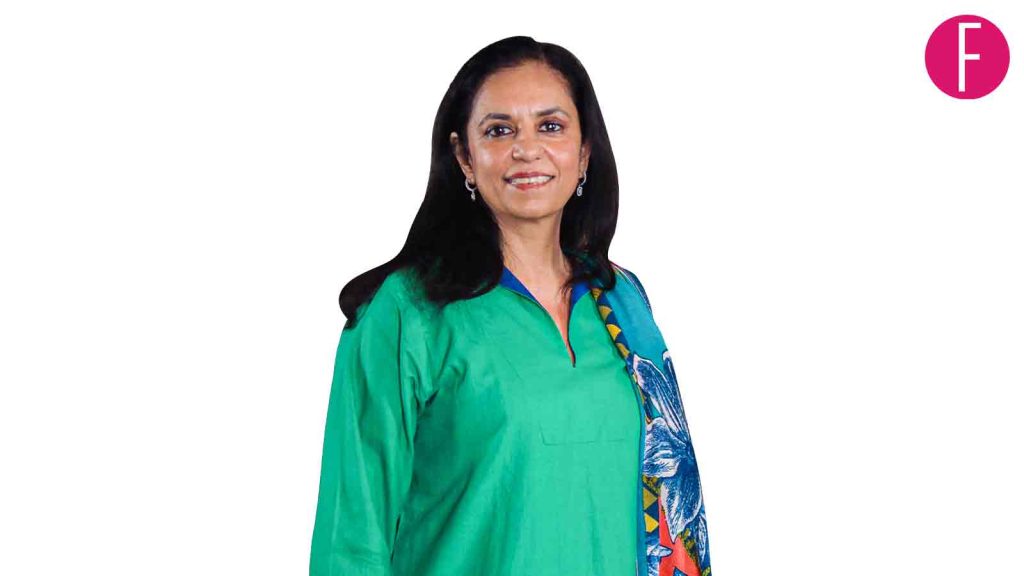
Roshaneh Zafar – Kashf Foundation
Roshaneh further revealed that: “The name was suggested by writer Mustafa Afridi initially and stayed with us throughout the writing phase, though at one point we did throw around other names but then we unanimously agreed to our original title.”
Do give us a glimpse into the world of ZPKB or the stories that you hope to bring
Roshaneh: “Well at this stage I don’t want to give away too much, the anticipation of course has to remain. But like the name the story is about real people and real issues and the way in which they overcome opposition especially when it comes to women in a patriarchal society.” Yes, we anticipate that at the core of every Kashf drama narrative, is a woman, and every time, the narrative has highlighted a dilemma, a lingering issue as well as offering a solution, therefore, we can’t expect any less from the story.
Roshaneh continues, giving us hope that although the story is about courage, yet romance will feature as well: “Given Kashf’s other dramas it has a strong female protagonist who faces resistance but refuses to give up on her dreams. It is also a story of finding love in the least likely of places. The backdrop of the story is the entire socio-cultural milieu of Pakistan which we have tried to capture and show case in one community and where the lives of our hero and heroine will intertwine and where they will have to combat with deeply held beliefs around gender, archaic traditions and intolerant mindsets.”
But then, continues Roshaneh, “like any Kashf play you should expect that things won’t be black and white but nuanced and grey, there will be both laughter and tears, love and pain, failure and success and most importantly there will be hope.”
And we hope for hope always …
You chose the duo Mustafa Afridi and Saife Hasan Sahab for a reason? After Sang e Mah and Ehd e Wafa, what made you want them to work together for your project?
Roshaneh: “Well, we have been lucky to have worked with the best writers and directors in Pakistan’s television industry. Who you choose really depends on the kind of story you want to tell. Each time we develop a basic outline or concept of a story we undertake research on who would be the right team to work with and in this case we were clear that given the huge canvas of our narrative and the issues we wanted to tackle no one could do it better than Mustafa as he has the sensitivity and understanding of rural life and culture and most importantly the discerning eye of a writer who develops believable characters.”
And the first teaser drop confirms the rural nature of the story for sure.
Roshaneh went on to give insights into the decision to take on the writer-director team: “Not only that, as a writer Mustafa was able to depict the struggles and conflicts related to gender extremely thoughtfully. Similarly as a team, Saife has the directorial depth and the artistic flair to tell the story the way it needed to be shown with compassion, with empathy and with meticulous care. He is a director who immerses himself in the setting and uses locations as an important tool to tell the story and to engage the audience. We knew he had the orientation towards detail our drama required.” And Roshaneh wraps it up with: “Overall it was a great bonding and learning experience for all of us.”
And the narrative you wish to push with Zard Patton Ka Bunn?
Roshaneh: “Well, the issue we primarily wish to tackle is the rising rate of population growth in Pakistan and the lack of family planning awareness at all levels. Many families have more children than they can adequately support and that is the beginning of our story.” Explains the person behind the story. Roshaneh goes on to elaborate, because of course, we are aware that Kashf pushes a number of messages with one core message. Population planning has, at its heart, many more messages that need to be highlighted, and she goes on to confirm the same “Many other issues are linked to the underlying population growth which we will address as well whether it is related to child labor and child rights, maternal mortality and women’s health, girls education to mention some.”
And here is the final wrap for the story!
Roshaneh Zafar reveals that they are on the final window of their shoot. It should close soon, she says, and it took about 80-90 days to shoot the drama Zard Patton Ka Bunn.

