

As it’s Men’s Mental Health Month, it’s crucial to spotlight the often-overlooked struggles men face with their mental health. Society tends to ignore men’s mental health issues, leading to serious consequences.
In our society, men often grapple with mental health challenges in silence, as societal expectations dictate stoicism over vulnerability. Despite experiencing anxiety, depression, and stress, men are frequently discouraged from seeking help due to fear of appearing weak or unmanly. Consequently, they endure their struggles alone, exacerbating their mental anguish and prolonging their suffering. This cultural pressure to maintain a facade of strength prevents men from accessing the support and resources they desperately need to address their mental health issues effectively.
The pervasive notion that “men don’t cry” perpetuates the dismissal of mental health concerns among men, leading to the underdiagnosis and neglect of conditions such as depression, anxiety disorders, and even suicidal ideation. As a result, many men suffer silently, their emotional turmoil buried beneath a façade of toughness. This societal expectation not only deprives men of the opportunity to seek assistance but also perpetuates harmful stereotypes that hinder progress toward destigmatizing mental health conversations among men. Breaking this cycle requires challenging outdated norms and fostering environments where men feel empowered to prioritize their mental well-being without shame or judgment.
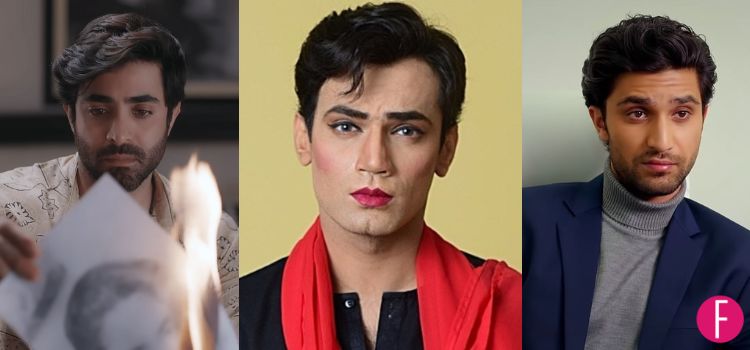
With this, we shine the spotlight on three characters from Pakistani dramas that showed men can have mental health issues. Firstly, these characters demonstrated that men’s mental health matters and should not be ignored. By examining their stories, we can gain better insights into the struggles men face. Furthermore, these dramas portrayed men dealing with depression, anxiety, and trauma. Their experiences highlight real-life challenges and, therefore, emphasize the importance of mental health awareness.
We can understand how these characters bring attention to men’s mental health in our society. Importantly, these dramas and characters have contributed to the normalization of men experiencing mental health issues, breaking societal taboos and encouraging open dialogue.
The Silent Sufferings Of Salaar In Radd

Salaar, portrayed by the talented Sheheryar Munawar in “Radd”, is an unconventional hero with a deeply intricate character. Raised in luxury but now leading a drastically different life, Salaar is haunted by a traumatic childhood event involving a fire for which he is unjustly blamed. Living under the oppressive control of his older brother, he is cut off from the wealth and comfort of his upbringing. His complex backstory and unique challenges keep viewers engrossed, as each episode reveals new layers of his personality and past.
Salaar’s passion for painting serves as his refuge from the turmoil of his life. He has a soft corner for Emaan played by Hiba Bukhari, revealing his tender and compassionate side amidst his struggles. Radd captures attention from the outset by delving into the secret depths of its characters, with Salaar’s multifaceted past unfolding like a meticulously crafted mystery. Whereas male heroes in Pakistani dramas who experience mental health issues are often shown with a toxic, aggressive personality streak, Salaar is timid, reserved, and passive in demeanour. His journey through the series highlights his emotional depth and resilience, making his story a captivating exploration of overcoming personal demons and seeking inner peace.
Radd is airing on ARY Digital every Wednesday and Thursday. It is a project of iDreams Entertainment, written by Sanam Mehdi Zaryab and directed by Ahmed Bhatti. The cast includes Sheheryar Munawar, Hiba Bukhari, Arsalan Naseer, Naumaan Ijaz, Asma Abbas. Mohammad Ahmed, Dania Enver, Adnan Jaffer, Nadia Afgan, and others.
Amaan’s Battle With PTSD In Ye Dil Mera

In the drama serial “Ye Dil Mera,” Amaan, played by Ahad Raza Mir, grappled with severe post-traumatic stress disorder (PTSD) following a traumatic event from his childhood. His PTSD manifested through debilitating symptoms such as flashbacks, nightmares, and overwhelming anxiety, profoundly impacting his daily life and relationships. However, despite these visible signs of distress, Amaan’s condition remained largely misunderstood and overlooked by those around him.
Due to his untreated PTSD, Amaan exhibited behaviors such as avoidance of triggering stimuli and emotional detachment as coping mechanisms. He struggled to form meaningful connections with others and experienced intense fear and hypervigilance, making it challenging for him to trust anyone. Despite his desperate need for support and understanding, Amaan’s mental health deteriorated as he grappled with the haunting memories of his past trauma alone. This portrayal, brilliantly executed by Ahad Raza Mir, highlighted the importance of recognizing and addressing mental health issues promptly to prevent further suffering and promote healing.
Ye Dil Mera was written by Farhat Ishtiaq and directed by Aehsun Talish. It was a project of MD Productions. The cast includes, Sajal Aly, Ahad Raza Mir, Adnan Siddiqui, Zarnish Khan, Mira Sethi, Paras Masroor, Rabia Butt and others.
The Struggle Of Kashif In Ishq Zah-e-Naseeb

In the drama serial “Ishq Zah-e-Naseeb,” Zahid Ahmed‘s character, Kashif, grapples with dissociative identity disorder (DID), a complex psychological condition characterized by the presence of two or more distinct personality states. Kashif’s DID stems from childhood trauma, which fractured his psyche into different identities. Despite his evident struggles, those around him fail to comprehend the depth of his condition, dismissing his erratic behavior as mere mood swings.
Dissociative identity disorder (DID) is a rare but severe mental health condition often triggered by traumatic experiences, such as abuse or neglect, during childhood. Individuals with DID may exhibit distinct alters, each with its own unique traits, memories, and behaviors. This fragmentation of identity can lead to disruptions in daily functioning and significant distress. Unfortunately, Kashif’s DID goes unnoticed and untreated, emphasizing the crucial need for increased awareness and support for individuals living with complex mental health disorders.
Ishq Zah-e-naseeb was written by Hashim Nadeem and directed by Farooq Rind, It was a project of MD and Moomal Productions. The cast features Zahid Ahmed, Yumna Zaidi, Sonya Hussayn, Zarnish Khan, Sami Khan, Azekah Daniel, and others.
Such television dramas have significantly raised awareness about mental health issues in our society. By portraying characters who struggle with various psychological challenges, these dramas highlight the often-overlooked battles many people face. Their stories, filled with emotional depth and realism, encourage viewers to empathize with and understand those experiencing similar difficulties.
Moreover, these dramas initiate crucial conversations about mental health, breaking the stigma that often surrounds these issues. By showing the consequences of untreated mental health conditions and the importance of seeking support, they emphasize the need for greater awareness and compassion. As a result, these powerful narratives not only entertain but also educate, fostering a more understanding and supportive community for individuals dealing with mental health struggles.

