

Read on to find out how Pakistani film “Zarqa”became a symbol of solidarity with the Palestinian struggle.
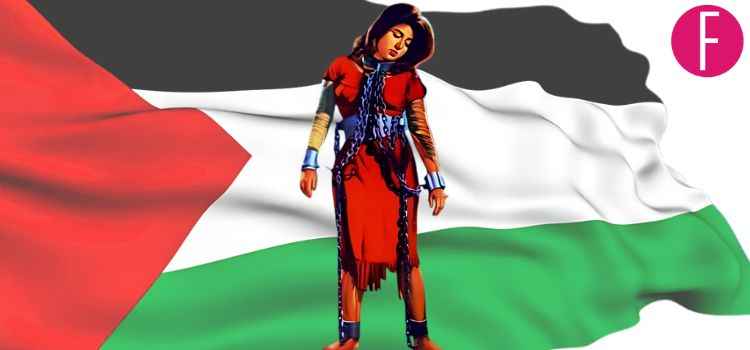
Did you know that nearly five decades ago, Pakistan released a film that captured global political tension? “Zarqa” arrived in 1969, right when the world was grappling with the Arab-Israeli conflict, and it offered a cinematic lens on the Palestinian struggle. This film illustrates the profound impact that art can have on political discourse, using storytelling to build bridges of understanding and advocacy in a time before global connectivity.
In the 1960s, Pakistani filmmakers drew inspiration from the Palestinian national struggle. These themes resonated well with audiences, ultimately leading to the creation of the film “Zarqa” in 1969.
“Zarqa,” released in 1969, is a powerful narrative about an Arab woman played by Neelo who rises as a fighter within the Palestinian liberation movement. Through her bravery and self-sacrifice, she inflicts significant damage on the Israeli occupying forces. Though marked by violence and ideological stance, the film also contains deeply moving moments.
Major David is a ruthless Israeli officer determined to capture the Palestinian underground leader, Shabaan Lutfi. Meanwhile Ejaz, one of the biggest male stars of the 1960s, takes on a relatively minor role. He plays a Fatah fighter torn between his love for Zarqa and his loyalty to his homeland while strumming a ukulele.
“Zarqa” boasted a star-studded cast, featuring some of the biggest names in Pakistani cinema of the time. Neelo delivered a standout performance in the titular role of Zarqa, while Talish portrayed Major David. Alauddin played the character of Shabaan Lutfi, the Palestinian leader. The presence of these prominent actors contributed significantly to the film’s success and enduring legacy.
The opening song of ‘Zarqa’ was written by the famous poet Habib Jalib, and the legendary Mehdi Hassan sang it.
“Zarqa” was a huge hit, staying in theaters for over 100 weeks. This incredible run made it Pakistan’s first Diamond Jubilee film. Its widespread acclaim and lasting appeal highlight how much it resonated with audiences and cemented its place in Pakistani cinema history.
It’s truly inspiring to see how a film made in the 1960s, like “Zarqa,” received such significant recognition in Pakistan for its portrayal of the Palestinian struggle. At a time when global communication was far less instantaneous, this film not only captured the spirit of its era but also bridged distant struggles through the power of cinema.
The fact that it resonated deeply with Pakistani audiences and earned lasting acclaim reflects the country’s commitment to standing in solidarity with global movements for justice. It serves as a powerful reminder of how art can transcend time and place, uniting us in shared causes and amplifying voices that demand attention and empathy.
Zarqa stands as a vivid example of how cinema can encapsulate and propagate a nation’s values. The film’s portrayal of Palestinian resistance was a tribute to Pakistan’s early and heartfelt support for the cause, illustrating how art and diplomacy can converge to make a powerful statement.

