

We had a delightful chitchat with Asad Ul Haq, and he shared some tidbits in this FUCHSIA Exclusive! Get a sneak peek into our conversation with this ace ad filmmaker here!
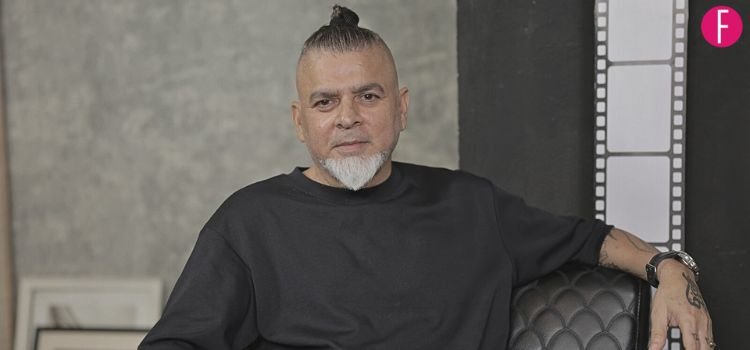
Asad Ul Haq is a seasoned ad filmmaker with over 30 years of experience in the industry. His notable projects include influential ads like Rhythm of Unity and Don Carlos, which showcase his distinctive vision and mastery in content creation. Asad is also the founder of Karachi Film School, a pioneering institution dedicated to nurturing the next generation of filmmakers. His school emphasizes practical experience, industry collaboration, and modern content creation, reflecting his commitment to advancing the art of filmmaking in Pakistan.
We spoke with Asad Ul Haq about his remarkable journey, his vision, and the innovative approaches he is bringing to Karachi Film School. Read on!
The Journey Of Asad Ul Haq: From Advertising To Filmmaking
Asad Ul Haq shared that his journey into advertising and filmmaking began with an unexpected pivot during his BBA studies abroad. Initially pursuing a business degree, he discovered his passion for advertising through a course that he excelled in. Encouraged by his advisor, he shifted his focus to advertising, learning the nuances of creating compelling ads. Returning to Pakistan, he secured an internship at Interflow, which marked the start of his professional career. Here, he immersed himself in the evolving industry, witnessing technological advancements and the industry’s expansion. Haq shared his early projects, including iconic ads for Nido and Go Go Paan Masala, showcased his talent and dedication. His relentless pursuit of creative freedom eventually led him to establish his own company, Ambiance, a milestone that marked the beginning of a 30-year legacy in ad filmmaking.
The Evolution Of Pakistan’s Advertising Industry
Asad Ul Haq has witnessed and contributed to the remarkable evolution of Pakistan’s advertising industry over the past three decades. Reflecting on the industry’s growth, he highlighted the significant changes in production quality, technology, and professional standards. When Haq started, the industry was small, with limited resources and rudimentary practices. He recalled the early days when models would manage their makeup with compact mirrors and tissue papers, a stark contrast to today’s professional setups with vanity vans and support teams. This evolution signifies not only the industry’s growth but also the creation of numerous job opportunities and the professionalization of ad production. Haq’s work, along with contemporaries like Asim Raza and Saqib Malik, played a pivotal role in this transformation, pushing creative boundaries and setting new standards. His journey reflects the dynamic and ever-changing nature of the industry, underscoring the importance of adaptability and innovation.
The Vision Of Karachi Film School
Asad Ul Haq founded Karachi Film School with a vision to redefine content creation education. The school offers a diverse range of programs, including a one-year diploma, weekend classes, and advanced modules. These courses focus on storytelling using modern techniques and state-of-the-art equipment, aiming to cultivate skilled content creators.
Karachi Film School emphasizes hands-on experience with cutting-edge technology, such as Alexa cameras and advanced LED lighting. This practical approach is designed to prepare students for various content platforms and industry challenges, fostering a vibrant community of innovative storytellers and filmmakers.
The Importance Of Community And Collaboration In Creativity
Asad Ul Haq emphasized the critical role of community and collaboration in fostering creativity. He lamented the lack of spaces for dialogue and networking, which stifles creative growth. According to Haq, thriving creative communities need regular interactions, workshops, and collaborative efforts to generate fresh ideas and innovative solutions. He highlighted the necessity of patience and experience, pointing out that true creative excellence evolves over time and through shared experiences. This ecosystem, which he believes is essential for nurturing creativity, has diminished, making it challenging for new talents to emerge and collaborate effectively.
The Importance Of Hands-On Experience
Asad Ul Haq emphasizes the importance of practical experience for aspiring filmmakers. At Karachi Film School, students immerse themselves in real projects, gaining hands-on experience that is crucial for their development. For instance, students regularly assist in professional shoots, which not only sharpens their skills but also deepens their understanding of the industry. This approach allows them to engage with current practices and technologies, bridging the gap between theoretical knowledge and practical application.
Moreover, this immersive learning experience provides students with a unique advantage. By working on live projects, they confront real-world challenges and solutions, enhancing their ability to adapt and innovate. This practical exposure ensures that graduates are well-prepared to meet industry demands and contribute effectively to various content creation platforms. Asad’s focus on integrating practical work with academic learning creates a dynamic environment where students can thrive and excel.
Adapting To Modern Content Platforms
Asad highlights the importance of adapting to modern content platforms, like TikTok and Instagram. Karachi Film School includes modules on creating engaging content for these platforms. By teaching students how to make impactful reels and TikToks, the school ensures they stay relevant in the evolving digital landscape. This focus on contemporary content creation sets the school apart from traditional film schools.
It was truly inspiring to hear Asad Ul Haq’s vision and dedication, offering a glimpse into the future of filmmaking and education. Stay tuned for the full interview, coming soon on FUCHSIA’s YouTube channel.

