

The World Health Organization (WHO) has declared a global health emergency on the rapidly spreading mpox outbreak. The declaration highlights the severity of the situation as cases of Mpox surge across multiple countries, raising alarms about the potential for widespread transmission and international public health concerns. Pakistan, recently reported 4 Mpox cases nationwide.
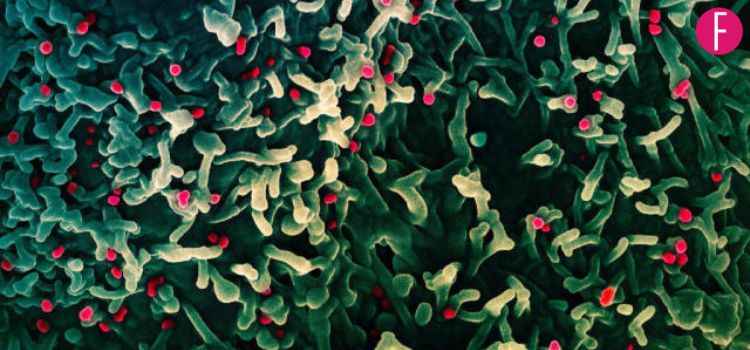
The Africa Centres for Disease Control and Prevention (CDC) declared a health emergency, reflecting the severity of the situation. This year alone, nearly 27,000 cases have emerged in the Democratic Republic of the Congo (DRC). Tragically, around 1,100 deaths have occurred, predominantly affecting children. Over 96 percent of cases are concentrated in Congo, demanding urgent international action.
Understanding Mpox
Mpox, initially called monkeypox, emerged in 1958 during outbreaks among monkeys. For many years, human cases largely remained confined to central and west Africa, with contact with infected animals being the primary transmission route. However, in 2022, health authorities recognized Mpox as a sexually transmitted virus, leading to outbreaks in more than 70 countries that had never previously reported the disease. Although related to smallpox, Mpox generally causes milder symptoms, including fever, chills, and body aches, though severe cases involve lesions on various body parts.
Alarming Surge In Mpox Cases Across Africa
Mpox cases in Africa have drastically increased. The Africa CDC reported a 160 percent rise in cases and a 19 percent increase in deaths compared to last year. Authorities identified a new variant of the virus in Congo, known for causing milder symptoms but with higher fatality rates. This variant appears to spread more easily and has now surfaced in four East African countries—Burundi, Kenya, Rwanda, and Uganda—all tracing back to the Congo outbreak. In contrast, health officials have reported less dangerous strains in the Ivory Coast and South Africa.
Al Jazeera reported that Sweden has confirmed its first case of mpox clade I, a more dangerous variant of the virus that spreads through close contact. This is the first time this variant has been detected outside of Africa.
Transmission And Spread
Mpox is a viral infection that leads to painful skin lesions, fever, headaches, and muscle aches. It is transmissible from animals to humans and can also spread between people through close contact. Typically, the infection lasts between 2 to 4 weeks. To prevent Mpox, it’s crucial to avoid contact with infected individuals. Vaccination is recommended, particularly the smallpox vaccine, which provides some level of protection against Mpox.
Symptoms And Potential Complications
Symptoms of Mpox usually manifest 7-14 days after exposure, beginning with fever, rash, swollen lymph nodes, headaches, muscle aches, fatigue, and back pain. The rash often starts on the face and spreads to other parts of the body. Mpox can cause severe complications, including pneumonia, vomiting, difficulty swallowing, eye infections leading to vision loss, and inflammation of the brain, heart, and rectum. Those with HIV or weakened immune systems face greater risks of severe outcomes.
Preventive Measures And Vaccination
Vaccination plays a crucial role in preventing Mpox, and the JYNNEOS vaccine, originally developed to protect against smallpox, effectively prevents mpox infections. Health experts recommend the vaccine for individuals at high risk of exposure, such as healthcare workers, laboratory personnel, and those in close contact with infected individuals. Moreover, in addition to vaccination, public health guidelines strongly advise avoiding close contact with anyone who has a rash resembling Mpox, practicing good hand hygiene, using condoms during sexual activity, and promptly seeking medical attention if symptoms appear.
Differences From The 2022 Outbreak
The 2022 global Mpox outbreak primarily affected gay and bisexual men and spread through close contact, including sexual activity. In contrast, the current outbreak in Africa presents a different pattern. In Congo, over 70 percent of cases and 85 percent of deaths have occurred among children under 15, highlighting a significant shift in the demographic impact of the disease. WHO Director-General Tedros Adhanom Ghebreyesus has emphasized the need for a “tailored and comprehensive response” to address the varied transmission patterns and risks associated with this outbreak.
Urgent Global Response Required
The rapid spread of Mpox demands immediate global attention and coordinated efforts. Rising case numbers and the changing nature of the disease require enhanced surveillance, widespread vaccination, and effective public health education. These actions are essential to manage the outbreak, protect vulnerable populations, and prevent further global spread. The situation underscores the importance of collective action in the face of evolving health challenges.
Sources: Al Jazeera, BBC, and Mayo Clinic.

