

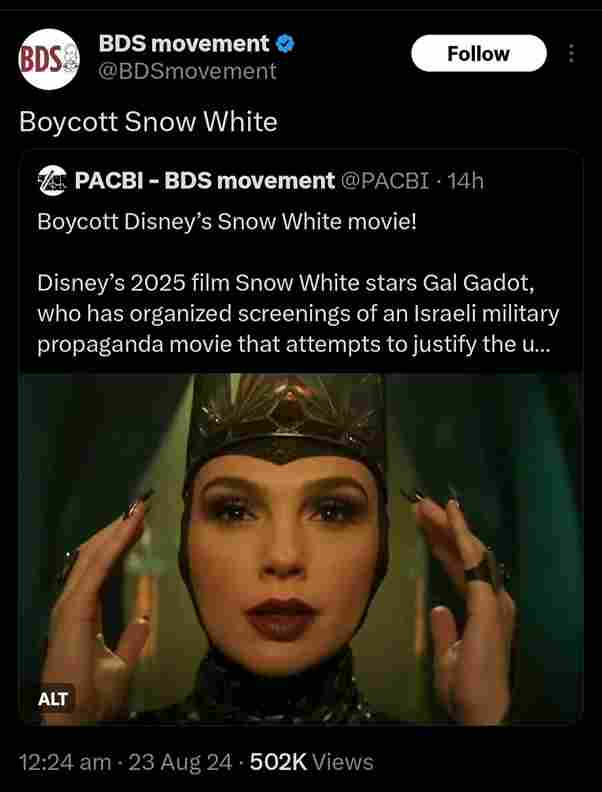
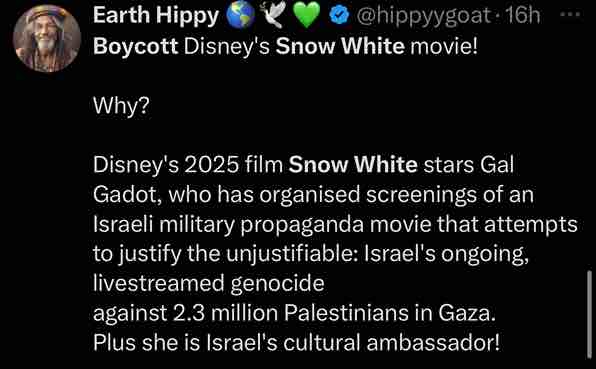
The upcoming Disney movie Snow White has become a flashpoint of controversy, leading to calls for a boycott by the Boycott, Divestment, Sanctions (BDS) movement.
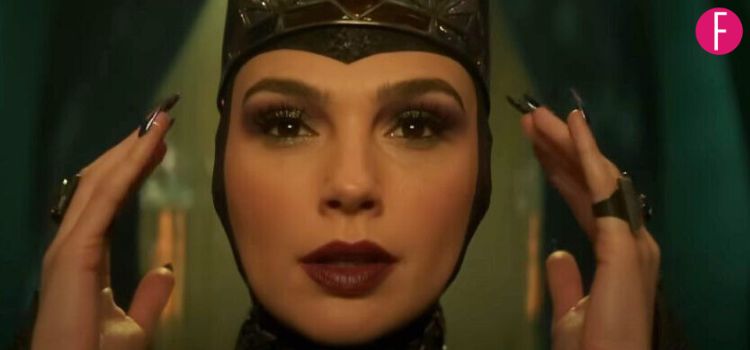
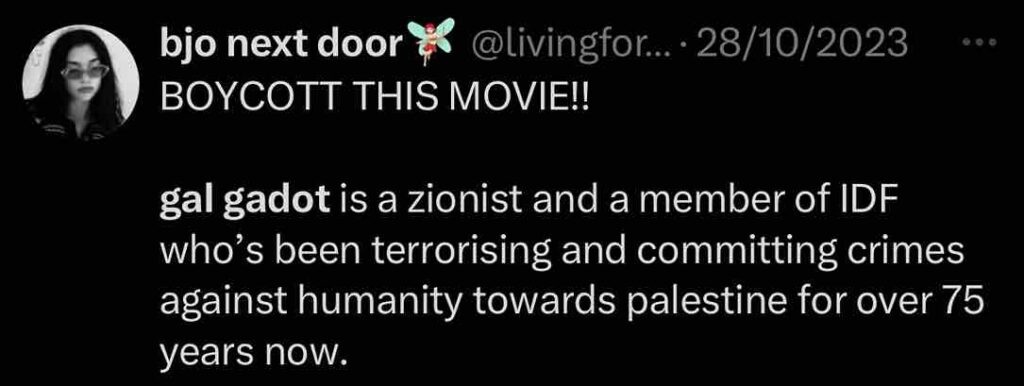
BDS, a global campaign advocating for Palestinian rights, calls for individuals and organizations to withdraw their investments and support from Israeli-linked projects. The movement strongly opposes Israel’s treatment of Palestinians, which it condemns as brutal oppression, systematic human rights violations, and the illegal occupation of Palestinian territories. The BDS campaign against Snow White has been intensified by the inclusion of Israeli actress Gal Gadot, who plays the role of the Evil Queen in the film.
Gal Gadot’s Pro-Israeli Views Stir Backlash
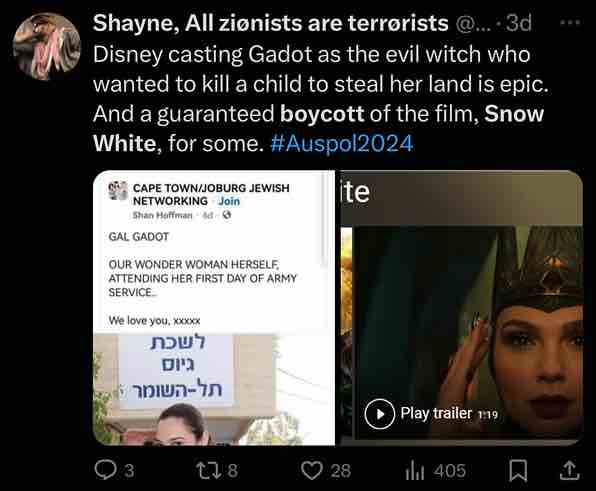
The controversy surrounding Snow White has escalated due to the casting of Gal Gadot, an Israeli actress known for her outspoken support of Israel. Gadot’s inclusion in the film has upset many pro-Palestinian supporters and BDS activists, who believe her involvement sends a message of solidarity with Israeli policies against Palestinians. Fans who are aware of Gadot’s strong nationalist views feel that her presence in the movie aligns it with a political narrative that disregards Palestinian suffering.
Her political stance became a focal point of contention following her public endorsement of Israel, including a statement posted on October 8, 2023, where she declared, “I stand with Israel.” This statement was made amid ongoing violence in the region, further inflaming the situation. In November, Gadot organized a special screening of a 47-minute Israeli documentary, produced by the Israeli Defense Forces, for Hollywood celebrities, which critics have labeled as propaganda. These actions have led to renewed calls from pro-Palestinian groups to boycott the film, arguing that Gadot’s involvement is a tacit endorsement of the Israeli government’s policies.
Rachel Zegler’s Pro-Palestinian Stance Brings Nuance
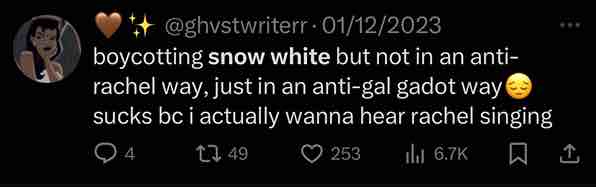
Adding to the complexity of the situation is the involvement of Rachel Zegler, who plays the titular character of Snow White. Zegler has publicly expressed pro-Palestinian sentiments, which has garnered her support from various groups advocating for Palestinian rights. Fans who agree with Zegler’s stance face a dilemma: while they wish to support her and her performance in the film, they find it challenging to do so given Gadot’s contrasting views. This has led to a nuanced situation where the desire to support a diverse cast and storytelling is weighed against the implications of the actors’ political beliefs.
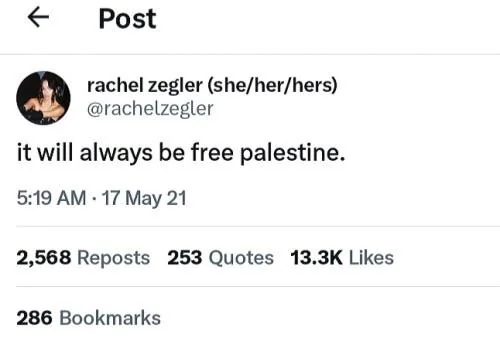
Zegler’s history of advocating for Palestinian rights dates back to May 2021, when she tweeted, “It will always be free Palestine,” amid Israel’s military actions in Gaza. Her consistent support has made her a figure of admiration among pro-Palestinian activists, who commend her willingness to use her platform for political advocacy.
Fans’ Dilemma And The BDS Movement’s Goals
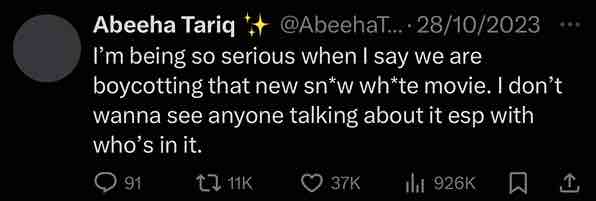
The online backlash surrounding Snow White highlights the sensitivity of the casting choices and the broader political context influencing viewers’ decisions. While some fans appreciate Zegler’s pro-Palestinian stance, they are reluctant to support the film due to Gadot’s involvement and her alignment with pro-Israeli narratives. This situation underscores the challenge of navigating public relations in a polarized environment where personal beliefs and professional work are increasingly interlinked.
The BDS movement, which seeks to bring international pressure on Israel by advocating for boycotts, divestment, and sanctions, has found traction in its call to boycott Snow White. Activists argue that supporting the movie would be akin to endorsing the pro-Israeli views expressed by Gadot, thereby undermining the Palestinian cause. Despite differing opinions within the fan base, there is a shared sentiment of needing to take a strong stance to ensure the success of the BDS movement’s objectives.
Disney’s Position And The Broader Impact Of The Controversy
Disney has yet to make a public statement regarding the controversy. The entertainment giant’s silence has been interpreted in various ways, with some seeing it as an avoidance of political engagement, while others view it as a strategic decision not to alienate any part of its global audience. This silence places Disney in a challenging position, balancing commercial interests with growing political awareness among its viewers. The situation also reflects broader industry trends where actors’ political views increasingly influence public reception and box office outcomes.
The Snow White controversy is not just about the film itself but also about the larger dialogue on how entertainment intersects with politics. It serves as a reminder of the power that celebrities hold in shaping public discourse and the responsibilities of media companies in their casting decisions. As fans and activists alike grapple with the implications of supporting a film that features actors with conflicting political views, the industry may need to reconsider how it navigates the personal beliefs of its talent and the potential impact on global audiences.
Sources: Dawn, The New Arab.

