

As the genocide in Gaza stretches into its 289th day, the death toll has surpassed 39,000, with over 10,000 more Palestinians believed to be missing and presumed dead under the rubble. According to The Lancet medical journal, if Israel’s assault were to cease today, the total number of deaths—both direct and indirect—could rise to an estimated 186,000 or more in the coming months and years, due to the impact of reproductive, communicable, and non-communicable diseases. This marks a devastating chapter in the ongoing violence that has ravaged the region.
Since the conflict began on October 7, Israel’s military campaign has relentlessly bombarded the besieged Gaza Strip, creating a severe humanitarian crisis. The area is in ruins, with entire neighborhoods destroyed and necessities scarce for the 2.3 million people trapped there. The ongoing airstrikes, ground offensives, and blockades have turned Gaza into a nightmarish scenario of destruction and suffering.
Yet, amidst this harrowing reality, there are small but significant glimmers of hope. Recent international developments, including diplomatic recognition and policy changes, offer a glimmer of optimism. These actions, while modest in the grand scheme of the crisis, represent crucial steps toward international accountability and solidarity. They highlight that even amid profound tragedy, progress is possible and small victories can contribute to a broader movement for justice and peace. Scroll down to read more!
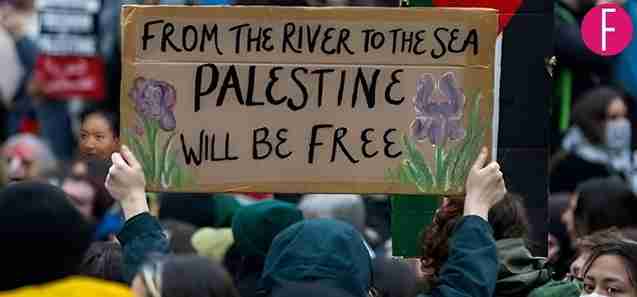
1. ‘River to Sea’ Cleared by Meta Board
Meta’s independent oversight board has ruled that the phrase “from the river to the sea,” often used in support of Palestinians, does not inherently violate the company’s policies. The decision followed a review of three posts. It came amid ongoing debate over the phrase, which refers to the area between the Jordan River and the Mediterranean Sea, including Israel and the Palestinian territories. The board noted that the phrase holds different meanings and, in these instances, expressed solidarity with Palestinians without promoting violence or exclusion.
2. UK Suspends Arms Exports to Israel
The UK government has suspended 30 of its 350 arms export licenses to Israel due to concerns that the weapons could be used in violations of international humanitarian law. Foreign Secretary David Lammy informed parliament that the suspension Includes components for military aircraft, such as fighter jets, helicopters, and drones.
3. Palestinian Statehood Gains Ground in Europe
Norway, Ireland, and Spain have already recognized Palestine as a state, joining a growing list of countries. Meanwhile, other European nations like Slovenia, Malta, and Belgium are currently debating when and how to follow suit, reflecting increasing support for Palestinian statehood across the continent.
4. The Power of Consumer Activism:
McDonald’s and Starbucks have both reported significant declines in sales and profits, citing boycotts by supporters of Palestine during the Gaza conflict as a contributing factor. McDonald’s experienced its first global sales drop since 2020, with a 12 percent decrease in net profit compared to the previous year. Starbucks reported a 2 percent decline in North American sales, a 7 percent drop internationally, and a 23 percent fall in total international profits.
The impact of these boycotts extends beyond immediate financial losses. They serve as a potent reminder of the influence consumers wield in today’s marketplace. In a world where brand reputation is increasingly tied to social responsibility, companies like McDonald’s and Starbucks are learning that their global footprint is not just a measure of market dominance but also a platform for political and ethical engagement. The current situation highlights a crucial point: consumer choices are powerful tools for driving corporate accountability and influencing change.
5. The Surge in Palestinian Support
The protests at Columbia University over Gaza began as a response to the Israel’s genocidal war in Gaza, particularly following significant violence or military operations. Students and faculty mobilized to voice their concerns about the humanitarian impact on Gaza’s civilian population, calling for a ceasefire and increased humanitarian aid. These protests quickly grew into a broader mass movement, reflecting the heightened awareness and activism among students regarding global issues.
The movement witnessed a spillover effect in other US universities, and then students all over the world joined the BDS (Boycott, Divest, Sanction) movement, raising awareness and exorcising pressure on institutions to be more transparent with their investment choices.
A New York Times article by Charles Homans and Neil Vigdor highlighted a notable increase in sympathy toward the Palestinian cause over the past decade, rising from 12 percent in 2013 to 27 percent in recent years. This shift, according to the article, reflected the successful efforts of pro-Palestinian activists to connect their cause with domestic movements like Black Lives Matter. Additionally, the shift was found to be generational, with individuals aged 18-29 showing three times more sympathy toward Palestinians compared to those over 65.
The real power of these small victories lies not just in their immediate impact, but in their potential to inspire further action and solidarity. They remind us that even in the face of overwhelming adversity, change is possible, and progress can be made. As the international community continues to respond and engage, it is these moments of hope that fuel the ongoing struggle for justice and peace. In a world where every small win counts, the path forward will be paved by continued advocacy, support, and the unyielding spirit of those who refuse to give up on a better future for Gaza.
Sources: Al Jazeera, The Intercept

