

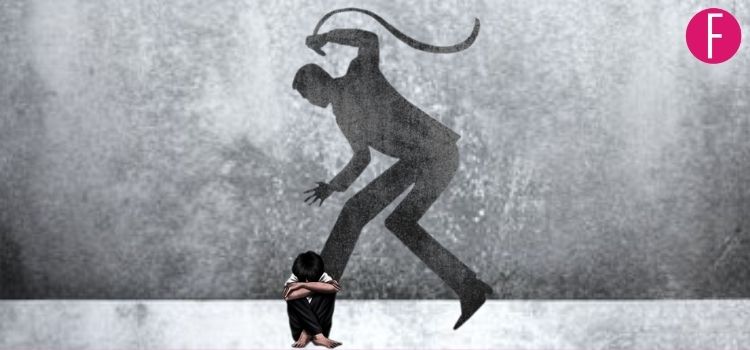
This Labour Day, while the world honours workers’ rights, we must also confront the silent suffering of children forced into labour and abuse.
“You can’t regulate child labor. You can’t regulate slavery. Some things are just wrong.”
Michael Moore, filmmaker and social commentator
Labour Day serves as a reminder to celebrate workers’ rights and reflect on progress. Unfortunately, in Pakistan, it also highlights the ongoing crisis of child labour. Across the country, approximately 3.3 million children are involved in child labour, subjected to hazardous conditions that threaten their health and well-being. In Sindh, 14.7% of children aged 5 to 14 work, while in Punjab, the rate is slightly lower at 11.6%. Khyber Pakhtunkhwa (KPK) also faces significant challenges, with around 13.1% of children engaged in labour. Even in Gilgit-Baltistan, the percentage stands at 13.1%, showing that this issue persists nationwide. The agricultural sector alone employs over 700,000 children between the ages of 10 and 14, many working in dangerous environments.
These children not only endure physical labour but are often exposed to domestic abuse and torture. In 2024, Pakistan reported over 1,600 cases of child abuse, with the majority being cases of torture and domestic violence. Many of these incidents go unreported due to fear and lack of legal protection. This intersection of child labour and abuse sheds light on a broader societal failure to protect vulnerable children.
These four real-life cases expose the cruelty that still hides behind closed doors.
1. 12-year-old Iqbal Masih (1995)
Iqbal Masih, born in 1983 in Muridke, Pakistan, became a symbol of hope and resistance against child labour at a young age. Sold into bonded labour at the age of four, he was forced to work in a carpet factory where he endured long hours of grueling work, physical abuse, and exploitation. At the age of ten, he escaped his captors and was later involved in the Bonded Labour Liberation Front (BLLF), which helped free many children from similar conditions. Iqbal became an outspoken advocate for children’s rights, traveling to international forums to raise awareness about the rampant issue of child labour, particularly in the carpet industry. His story inspired global efforts to combat child exploitation. However, on April 16, 1995, at just 12 years old, Iqbal was tragically shot dead in what many believe was an assassination orchestrated by those who feared the power of his voice.
2. 8-year-old Zahra Shah (2020)
Eight-year-old Zahra, a child domestic worker in Rawalpindi, was brutally beaten by her employers after she accidentally let their pet parrots escape from their cage. Her employers, a husband and wife, brought her to Begum Akhtar Rukhsana Memorial Hospital in an injured state, where she succumbed to her wounds shortly after arrival. According to the police, Zahra had visible injuries on her face, hands, rib cage, and legs—clear signs of severe physical abuse. A post-mortem confirmed she died due to those injuries. Her body was handed over to her family, while both employers were arrested and remanded into police custody.
3. 13-year-old Iqra (February 2025)
Thirteen-year-old Iqra, a child domestic worker in Rawalpindi, tragically lost her life after allegedly being beaten by her employers over a missing chocolate. Employed since the age of eight, Iqra had worked in the same household for nearly five years, facing the harsh realities of underage labour. On the day of the incident, she was taken to the hospital in critical condition with multiple fractures in her arms, legs, and skull, as confirmed by medical reports. Despite efforts to save her, she succumbed to her injuries. Her employers, Rashid Shafiq and his wife Sana, were arrested, along with a Quran teacher associated with the household who had initially taken Iqra to the hospital and later disappeared.
4. 10-year-old Sonia (April 2025)
A 10-year-old girl from Pakpattan, employed as a domestic worker in Lahore’s Hanjarwal area, lost her life after reportedly enduring repeated torture at the hands of her employers. The couple, Farrukh Bashir and his wife Nosheen, allegedly subjected the child to consistent abuse during her time working in their home. According to police officials, the girl bore clear signs of torture on her body. Instead of seeking medical help, the couple kept her at home in critical condition, leading to her eventual death on April 11. Both suspects were arrested following the incident.
Under Pakistan’s labor laws, particularly the Punjab Domestic Workers Act 2019, employing children under the age of 15 as domestic help is strictly prohibited. Yet, despite these clear legal protections, child domestic labor remains widespread, driven by poverty, a lack of education, and deep-rooted systemic failures. The law exists on paper, but its enforcement is weak, and countless children continue to suffer in silence behind closed doors, far from the public eye and often without any support system.
While punishing individual perpetrators is necessary, it is not enough to curb this crisis. What’s urgently needed is a robust system of checks and balances — including mandatory household registration for domestic workers, regular inspections, a centralized child labor reporting mechanism, and real-time data sharing between child welfare departments and law enforcement. Without proactive monitoring and stronger institutional accountability, these tragedies will keep repeating. Ending child labor requires more than outrage after a child dies — it demands action that prevents such abuse from ever happening in the first place.
Sources: Dawn, Voicepk, UNICEF Pakistan, and BBC.

