

A viral video by a British vlogger accusing the Luxus Hunza resort of polluting Attabad Lake has sparked government action—and a larger conversation about unchecked tourism in Pakistan’s north.
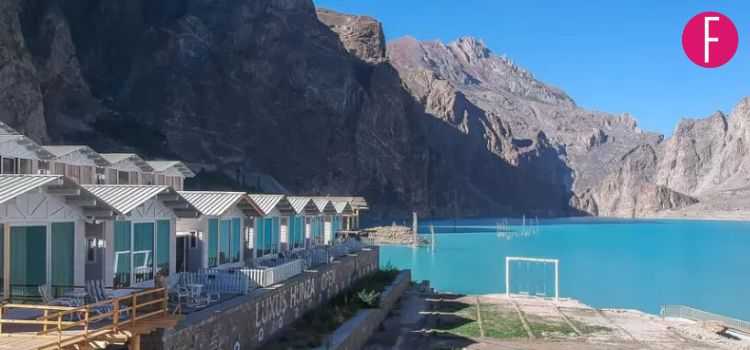
A British travel vlogger’s video on Luxus Hunza may have gone viral, but what it exposed is not just an environmental scandal—it’s the bigger, ongoing tension between glamorous tourism development and the fragile ecosystem of Pakistan’s northern regions.
It all started when George Buckley, a foreign content creator known for his travel videos, shared a clip from his visit to the stunning Attabad Lake in Hunza. In it, he pointed to a stretch of brown, murky water near Luxus Hunza, a luxury resort perched on the lake’s edge. He alleged—based on the smell and local accounts—that the resort was discharging untreated sewage directly into the lake. The contrast between the pristine turquoise water and the murky outflow struck a nerve, and the post exploded online.
Swift Action, Mixed Signals
Within 24 hours, the Gilgit-Baltistan Environmental Protection Agency (GBEPA) and the Hunza district administration conducted a surprise inspection. The result? A 30-room extension of Luxus Hunza was sealed, and the hotel was fined Rs1.5 million. But here’s the twist: the EPA did not find evidence of actual sewage discharge during the inspection. The fine was instead imposed for broader violations—non-compliance with construction and environmental regulations.
This nuance got buried in the noise. The hotel management responded by denying all allegations, saying the brown water was due to glacial silt and stormwater runoff, not human waste. They backed their claim with what they called a “natural confluence” explanation—where muddy mountain streams meet the clear lake, creating a visibly murky blend.
Buckley, on the other hand, stood by his experience and claimed the smell was distinctly sewage-like. He also criticized the hotel for not producing up-to-date inspection reports, pointing out that the only publicly available one dated back to 2021.
The Bigger Picture: When Eco-Tourism Isn’t So Eco
Here’s where this story becomes more than just a he-said, they-said drama. Whether or not Luxus Hunza dumped sewage into the lake, the controversy has re-ignited a larger conversation—how sustainable is the rapid tourism boom in Hunza and the surrounding regions?
Local environmentalists have been ringing the alarm bells for years. They say hotels and resorts around Attabad Lake routinely ignore the 50 to 200-feet construction buffer zone around water bodies, and many operate without proper waste management systems. Some activists argue that flashy hotels have replaced the dream of eco-tourism with concrete overgrowth.
Suggestions like building sustainable wooden huts, reforestation, and investing in off-grid waste systems have largely been ignored. Instead, what we see is unchecked construction—often packaged as ‘eco-friendly’ on social media but rarely held to that standard in practice.
Where Do We Go From Here?
Attabad Lake, formed in 2010 after a devastating landslide, has become a poster-child for both resilience and commercial tourism in Gilgit-Baltistan. But if incidents like this continue, and if the focus remains on crisis management rather than long-term planning, we risk damaging the very nature that draws tourists here in the first place.
Luxus may have denied the accusations and EPA may not have found active sewage dumping this time—but the murky waters around this controversy reflect deeper issues. If we continue down this road, even the turquoise beauty of Attabad may not be enough to hide the cracks.
Sources: Samaa, Dawn Images, Profit Pakistan Today

