

Flash floods in KP have left behind a trail of devastation, raising urgent questions about climate change and disaster planning.
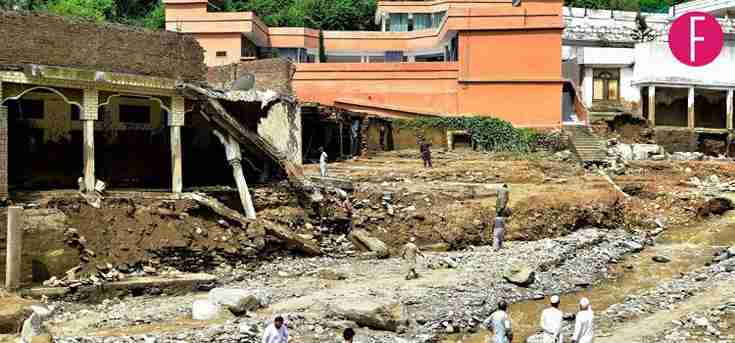
Northern Pakistan is reeling after devastating flash floods triggered by unusually heavy monsoon rains. In just 48 hours, over 320 people have lost their lives, with 307 fatalities reported in Khyber Pakhtunkhwa (KP) alone. Buner has seen the heaviest toll, around 184 deaths,as entire villages were swept away in minutes. The force of the floods has left behind broken homes, washed-out roads, and families grieving.
The devastation didn’t stop at KP. In Gilgit-Baltistan, power lines, houses, and key highways have been wiped out. In Azad Jammu & Kashmir, landslides and swollen rivers trapped communities and claimed more lives. Rescue efforts faced another tragedy when a helicopter carrying five crew members crashed in Mohmand. With emergency declarations now in place, military and disaster teams are battling against blocked access routes and relentless rain to get aid through.
Climate Alarm and the Cost of Being Unprepared
Monsoon rains are part of Pakistan’s seasonal rhythm but what’s happening now is beyond routine. Climate change is making rains heavier, cloudbursts deadlier, and flooding more unpredictable. This isn’t just a “bad season”; it’s a dangerous shift in the pattern itself. Each year the toll climbs, and this year’s disaster underscores just how fragile the country’s preparedness remains.
The government has released PKR 500 million in immediate relief funds, with more allocated to rebuild roads and bridges in KP. Relief camps are running, while the military, Red Crescent, and disaster agencies coordinate rescue and aid distribution. Yet, the scale of destruction makes it clear: the response is still largely reactive. Monsoon comes every year, yet when warnings arrive, villages remain exposed, infrastructure buckles, and rescue teams are left scrambling.
Communities living along river belts and hilly terrains are always the most vulnerable. Many of them lose their homes, crops, and livelihoods almost every monsoon season. For these families, rebuilding isn’t just about replacing walls, it’s about surviving repeated cycles of loss. Without long-term rehabilitation, relocation options, or flood-resilient housing, the pattern of destruction continues unchecked.
This disaster also raises questions about planning for the future. Floodplain management, early warning systems, and climate-resilient infrastructure are no longer optional—they are urgent necessities. While relief funds provide temporary support, resilience requires foresight, investment, and political will. As the rains keep returning stronger each year, the clock is ticking on how long Pakistan can afford to stay caught in a loop of rescue and recovery.
Sources: Dawn, Al Jazeera, Business Recorder, Tribune


Comments 1