

Every September, world leaders descend on New York for the United Nations General Assembly (UNGA). Think of it as the biggest political convention on the planet — where presidents, prime ministers, and monarchs take turns at the podium to set out their worldviews, air grievances, and sometimes make history. The General Assembly itself doesn’t make binding laws like the Security Council, but it is where consensus begins, where countries test global sentiment, and where forgotten crises can get a spotlight. At 80 years old, the UNGA remains the one arena where every nation — big or small — has an equal voice, at least on paper.
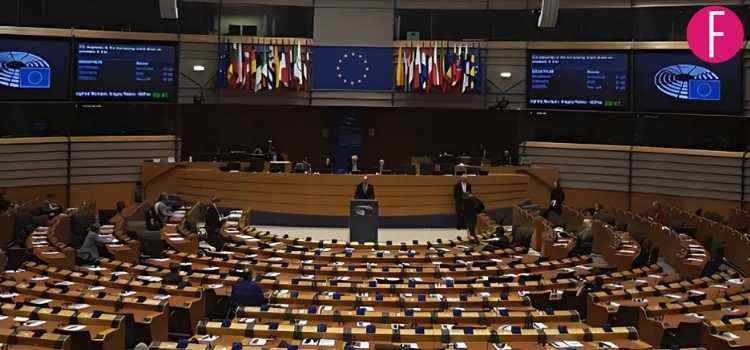
But here’s the catch: the UN’s beating heart is based in New York, and that geography has never been neutral. Hosting the UN gives the United States a natural upper hand — not only because of its global power status, but because its domestic politics can cast a long shadow over the body’s credibility. Take Palestine. No matter how often the General Assembly votes in favour of Palestinian statehood, those votes remain symbolic because the matter ultimately runs into the Security Council — where the US and other permanent members have veto power, which Washington has repeatedly used to shield Israel. Environmental treaties, disarmament efforts, even global health rules — Washington’s politics follow the UN into its own home. When the host nation sets the terms of entry, the conditions of diplomacy, and even the mood of the city outside, can the UN ever truly stand above the fray?
This imbalance has long led to the suggestion: what if the UN were headquartered elsewhere? Would Geneva, Vienna, or even a neutral city in the Global South make the institution more effective? Maybe symbolically, yes. It would unshackle the UN from being perceived as “America’s clubhouse” and reduce the constant friction when the US government decides who can or cannot get a visa. But realistically, the deeper issue isn’t geography — it’s power. The Security Council’s permanent five members, with their veto rights, remain the bottleneck. Shift the UN to Nairobi or Delhi, and the vetoes would still roll in. Changing the venue could cleanse some optics, but it won’t fix the structural problem: global decision-making held hostage by a handful of countries.
So why does UNGA matter at all, if the big powers can block the heavy stuff? Because it’s one of the few spaces where narratives can shift. Apartheid South Africa was cornered at the UNGA years before Western powers relented. Small island nations have kept climate change at the centre of the debate, even when oil states tried to drown them out. Ukraine, Gaza, Sudan, Myanmar, the climate crisis, artificial intelligence — expect these to be threaded through UNGA 2025. The Assembly can’t end wars or rewrite constitutions, but it can turn whispers into global headlines, and it can put pressure on governments in ways that bilateral diplomacy rarely does.
At its best, the UNGA is a mirror — reflecting back to the world both our collective failures and the possibility of something better. At its worst, it feels like theatre — speeches that grab soundbites but change nothing on the ground. Whether its home remains in New York or shifts across oceans, the real test of the UN’s future isn’t the skyline outside the building, but whether member states are willing to give up a little bit of their power for the sake of the whole. And that, as history keeps reminding us, is the hardest bargain of all.
Sources: Al Jazeera, Reuters, UN, UN News, Free Press Journal, Security Council Report

