

We’ve all been there — feeling dizzy, tired, or ready to faint halfway through the day, only to have someone say, “You probably need more iron.” Turns out, they’re usually right. But before you start googling “iron tablets near me,” let’s talk about how much your plate alone can do for your energy levels — and how you can make iron work harder for you. Dietician Fareeha Jay gives a breakdown in a recent Facebook post. Here’s what she had to say!
Why Iron Is Kind of a Big Deal
Iron isn’t just another nutrient you tick off on a label. It’s the mineral that helps your body make hemoglobin — the protein in red blood cells that carries oxygen. If you’re running low, your cells don’t get enough oxygen, which means you’re exhausted, cranky, and maybe a little pale. (No, blush won’t fix that.)
Protein = Iron Power
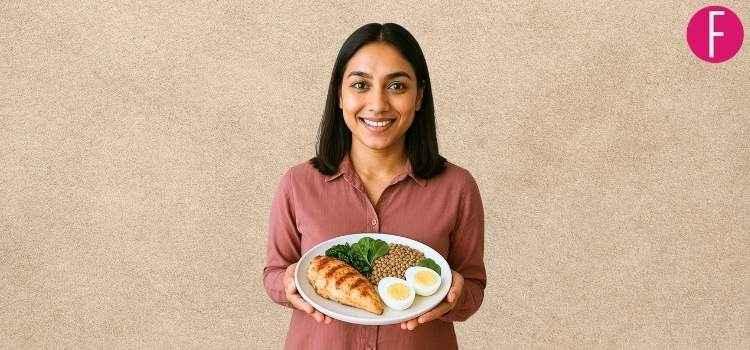
As Fareeha Jay says, if you’re eating enough protein — think chicken, meat, and eggs — you’re already getting a decent iron boost. Animal sources (what experts call “heme iron”) are easier for your body to absorb, so a grilled chicken breast or a steak once in a while can make a real difference.
But if you’re more into plant-based eating, don’t panic. Lentils, chickpeas, beans, spinach, and tofu all bring their own kind of iron to the table — it’s just a different kind, called “non-heme iron.” The trick? Pair it right.
The Vitamin C Secret
Here’s where the magic happens. When you eat plant-based iron, your body needs a little help to actually use it. Enter vitamin C — your iron’s best friend. Adding lemon juice to your daal, or tossing tomatoes into your lentils, helps the iron absorb better.
It’s such a simple tweak, but it makes all the difference. So the next time you’re having daal-chawal, squeeze a lemon over it. Or add some citrus, guava, or strawberries to your breakfast — they all help your iron do its job.
Iron Blockers (Yes, They Exist)
On the flip side, tea and coffee — as much as we love them — aren’t doing your iron any favors. The tannins in them can slow down iron absorption, so if you can, avoid drinking them right after meals. Give your body a little time to soak up the good stuff before you sip that cup of chai.
Keep It Balanced
Iron alone won’t fix everything, but making sure you get a good protein source in every meal helps keep your levels steady. Eggs for breakfast, chicken or lentils for lunch, and maybe some beans or fish for dinner — small, consistent choices go a long way. And if you still feel like your energy’s dipping, it might be worth checking your iron levels with a doctor instead of self-diagnosing with multivitamins. Because sometimes, your body’s just asking for better food, not more pills.
Reminder: Always consult your doctor or get a proper blood test if you suspect an iron deficiency. Food helps, but only a medical check can tell you the real picture.
About Fareeha Jay Anwar
Fareeha Jay is a Registered Dietitian specializing in South Asian nutrition. With a background in anthropology and dietetics, she combines cultural understanding with nutritional science to provide personalized dietary guidance.
Sources: NIH, WHO


Comments 1