

The week in rewind – here’s everything you missed (or couldn’t stop talking about)
1. Kafeel – First Episodes, First Review
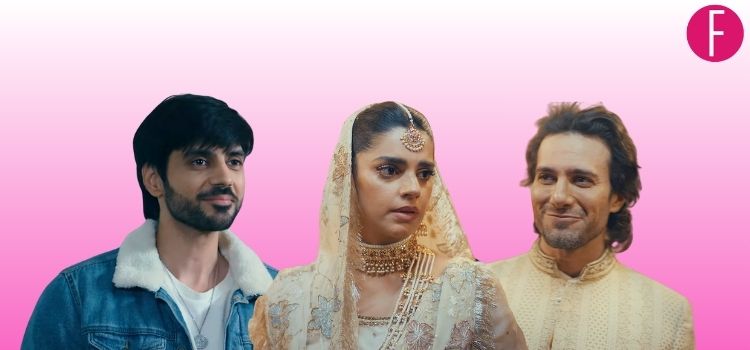
Set in an era that mimics the 90s, Kafeel has just dropped its first two episodes and one swings between anticipation for an Umera Ahmed script, a Meesam Naqvi execution and a cast that brings it all together. The opening scenes of Kafeel added a poetic flair to the story, possibly hinting at how the narrative will go forward – the narration by Fahad Mustafa and the couplet by Mirza Ghalib with the screen moving to the quran recitation was a win for the storytelling right there.
The drama moves through chapters, defining the period at the time, and so far, the first two episodes have screened Chapter One, set in the past. Read full review here!
2. Pakistan Idol Highlights: Top 5 Most Loved Performances This Week

Every week, Pakistan Idol delivers surprises, emotions, and plenty of jaw-dropping talent – and this week definitely kept the streak alive! While Fawad Khan couldn’t join the panel this time, the judges’ table was just as exciting with Shuja Haider and Farhan Saeed stepping in and bringing their own energy, and insights to the show.
On stage, the contestants were in top form, serving up performances packed with nostalgia, heart, and signature style. A few performances even went viral, instantly becoming fan favorites. From fun crowd-pleasers to soulful show-stoppers, here are 5 standout performances from this week’s Pakistan Idol that truly captured the viewer’s love and judges’s appreciation – lively, nostalgic, and unforgettable!
Check them out here!
3. Pamaal: Raza Dies, Malika Is Heartbroken – And So Are We. Here’s How Twitter/X Reacted!
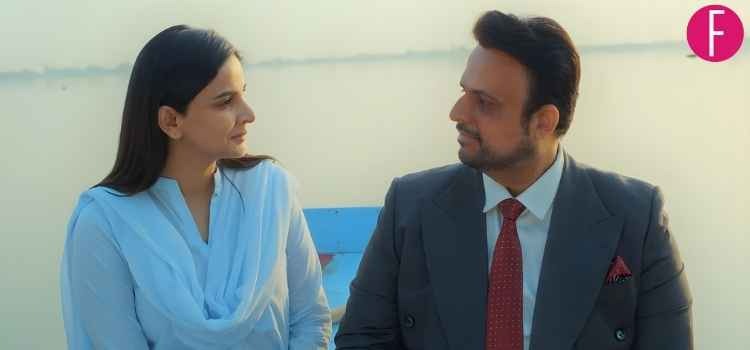
Raza’s journey came to an end in Pamaal this week, and with it, a flood of emotions overwhelmed the audience. Along with Malika, we cried, screamed, and ultimately faced the gut-wrenching reality of loss.
Raza asking Malika out on one last date, Malika helping Raza get ready, and then the two of them spending those final moments together – it was heartbreakingly tender. Just the two of them, and us – the audience – watching silently, wishing time would pause. Their last conversation felt real and raw, as though we were intruding on something. We wished it could last forever. We wished Raza wouldn’t die. We wished he would survive. But life, as always, moves forward.
Check out audience’s reaction here!
4. When Power Crosses Personal Space: The Bihar CM Nitish Kumar Hijab Controversy
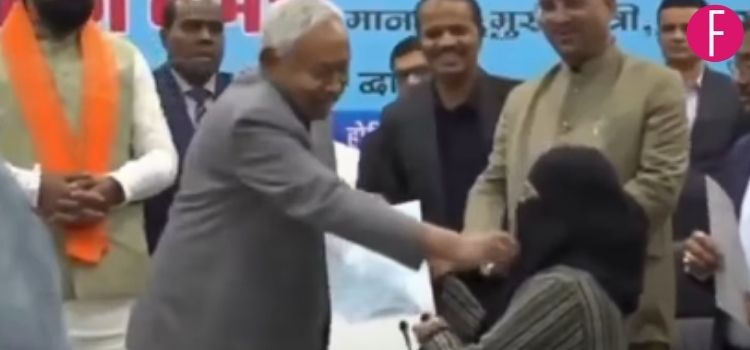
On December 15, 2025, what was meant to be a routine government ceremony in Patna, Bihar – distributing appointment letters to newly recruited AYUSH doctors – turned into a flashpoint of outrage that has captured national attention. A video that quickly went viral shows Bihar Chief Minister Nitish Kumar physically pulling off the hijab of a woman doctor, Nusrat Parveen, while she was receiving her appointment letter on stage at the Chief Minister’s Secretariat, “Samvad.”
In the footage, the 75-year-old chief minister first draws attention to the woman’s headscarf, asking “what is this?” before reaching out and pulling it down. The woman, wearing a hijab that covered part of her face, appears startled and uncomfortable. An official quickly moves her aside, while Deputy Chief Minister Samrat Choudhary can be seen tugging at Kumar’s sleeve, seemingly trying to stop him.
This incident is significant not just for the immediate shock, but for what it reveals about the misuse of power, respect for personal boundaries, and the dignity owed to every individual. Clothing is a basic form of personal expression. For many women, a hijab is more than a religious garment; it is a reflection of identity, faith, and autonomy. To have that choice taken away in a public space, and by someone in authority, is a violation of personal dignity and a breach of women’s rights. Even small gestures like touching or removing someone’s clothing without consent carry serious moral weight, especially when there is a power imbalance.
Read more here!
5. Knives Out: Wake Up Dead Man Is A Call To Keep The Faith – Not Just a Murder Mystery
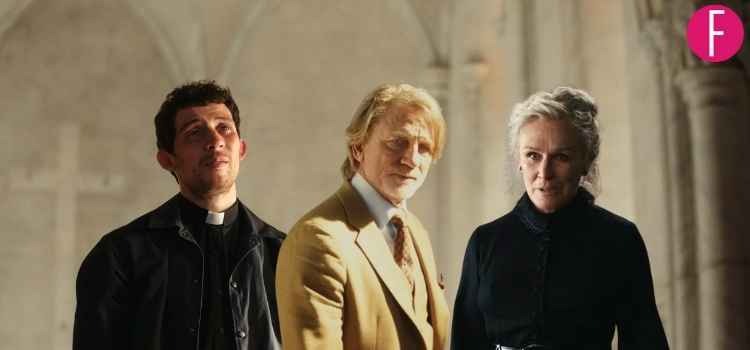
The ‘Knives’ are out once again, and this time, it’s a dark mystery that challenges us to keep the ‘Faith’ as we struggle to navigate ‘who did it’ in between layers of truth and deception that have everyone confused – even detective Benoit Blanc.
Knives Out 3 is far from the comedic flair that underlined The Glass Onion. And yet, the makers do not shy away from a dark plot that turns darker – from planned resurrections to an evil hand guiding the call of Faith in a village where everyone hides a secret, a guilt that, once revealed, would leave them damned in the church of God – precisely what Monsignor Jefferson Wicks planned for them all. That poses multiple suspects for the murder of the one man loathed by many, who had towered over the Church of Lady of Perpetual Fortitude for a lifetime. At the heart of it all lies an unclaimed diamond, hidden like a curse, buried deep inside the entrails of the grounds beneath… but no more spoilers.
What makes Knives Out: Wake Up Dead Man a gripping watch is the connection between Father Judd and Benoit Blanc. Daniel Craig reinvents himself in a waistcoat-clad suit with a sun-kissed hairdo – a far cry from the sleek Glass Onion. More vintage than modern, but equally charming. This Benoit appears as a coming-of-age figure and gels in well with the period frames, church grounds, and Father Judd’s priest suit. Let alone Martha’s conservative, almost forbidding attire, essayed by none other than Glenn Close – always one to watch for her screen presence and intense characterizations, Martha does not fail to impress. With a cast that spells trouble in murder land, Josh Brolin as Wicks positively sparks both charisma and evil – always an attractive blend onscreen.
Catch up more here!
6. APS Attack – 11 Years On. Grief Deserves A Spot On Our Timelines

It’s been 11 years since the terror attack on the Army Public School (APS). Every year on December 16th, our social media feeds are flooded with the memory of those whose lives were cut short brutally and heartlessly, in the blink of an eye. Even in our darkest moments, we could not imagine the horrifying tragedy that unfolded for the children, parents, and staff of the school. The residents of the area live to tell the stories today.
But how can a nation learn from this heavy moment in its timeline? Every year, we are served wrapped versions of the “best moments” of our lives. But no one brings up the people we lost, the heartbreak that nearly broke us, the pain of news about a loved one fighting cancer, the loss of a family member or friend, or personal struggles too private to share – let alone feature as a “make or break” moment on our timeline.
Have we forgotten how to grieve? Do we even allow ourselves to grieve, other than on the moments that mark the day? Throughout the year, do we filter out the bad and focus only on the good? Because when we don’t grieve, we deny ourselves something essential. In grief, there is healing. In grief, there is strength – we find moments when we thought we were weakest, and yet, we manage to face the gut-wrenching blows life delivered us and still keep going.
7. What Happened At Bondi Beach? All We Know So Far

On the evening of 14 December 2025, one of the deadliest and most shocking mass shootings in Australia’s recent history unfolded at Bondi Beach, Sydney. What was meant to be a joyous celebration of the Jewish festival of Hanukkah turned into a scene of terror, with crowds fleeing in panic as gunfire erupted near the “Chanukah by the Sea” event attended by hundreds of people. Authorities and eyewitnesses say the shooting began in the late afternoon around 6:47 p.m. when two armed men dressed in dark clothing opened fire on the crowd from an elevated position near Archer Park and a footbridge overlooking Campbell Parade. The attack immediately plunged the beach and surrounding areas into chaos as families and bystanders sought cover. Australian police soon declared the incident a terrorist attack with antisemitic motives.
By the end of the night, the death toll had risen to at least 16 civilians, ranging from children to elderly people, and one of the two gunmen had also been killed. Dozens more were wounded and transported to hospitals across Sydney, including several in serious or critical condition, and among the dead were notable community members such as Rabbi Eli Schlanger and other international visitors attending the event. The youngest confirmed victim was reported to be a 10-year-old girl.
The Bondi Beach massacre has left Sydney and the wider world grappling with the reality of targeted violence in public spaces, even in countries like Australia that have historically experienced comparatively low levels of mass shootings. Questions about community security, social cohesion, and firearm regulations are now at the forefront of public and political discourse as the city mourns its dead and supports the injured and their families.
That’s all from us for this week – see you again with more stories next week!


Comments 2