

Some Christmas movies do more than make you laugh — they capture exactly how the season feels, every single time. Keep reading.
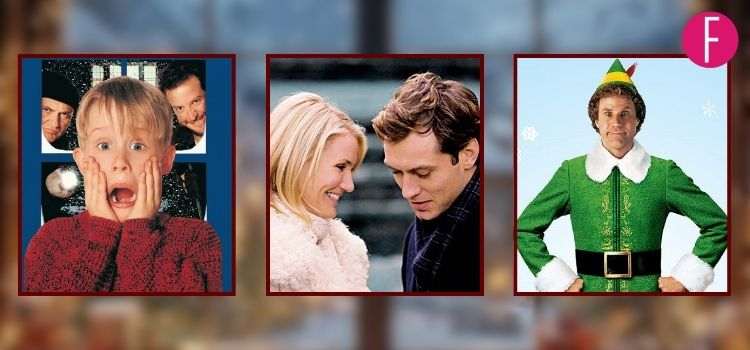
Christmas is one of the best times of the year — full of lights, laughs, cookies that are way too sweet, and that low-key obsession with holiday movies that somehow feel essential. Even if you’re not exactly decking the halls or singing carols, there’s something about December that makes you pause, look back, and just… feel. The movies we watch this time of year don’t just tell stories; they become part of the season itself. They’re comfort, nostalgia, and a little bit of reality all wrapped up in one — and honestly, some of them hit differently depending on what your December looks like.
1. Home Alone
Having a Home Alone marathon is an unsaid rule each year. You don’t plan it. It just happens. One minute you’re scrolling, the next Kevin McCallister is on screen and you’re committing to watching the whole thing because leaving halfway feels wrong. But as an adult, it’s impossible not to notice how heavy this movie actually is beneath the comedy.
Kevin isn’t just left home alone — he’s emotionally isolated long before his family forgets him. He’s talked over, dismissed, made to feel like a burden. That moment where he wishes his family would disappear? It hits differently when you realise how often people feel pushed to that point. Watching Kevin figure things out on his own — making food, protecting the house, learning to trust himself — becomes less about independence and more about survival. And then there’s the church scene, the quiet conversations, the reminder that even in isolation, connection finds a way back. Home Alone sits with the fear of being forgotten — and then gently reassures you that being left behind doesn’t mean you don’t matter.
2. The Holiday
December is peak Jude Law season for many, and The Holiday is a must-watch because it understands emotional fatigue. Jude Law and Cameron Diaz aren’t playing fairytale versions of love — they’re playing people who are tired, bruised, and still trying.
Graham’s warmth feels almost unreal at first, but what really makes his character resonate is his emotional availability. He listens. He shows up. He doesn’t perform love — he offers it quietly. And Cameron Diaz’s Amanda feels just as important because she represents the people who can’t cry, who’ve trained themselves to stay functional instead of vulnerable. Watching her slowly soften, even just a little, feels earned. The Holiday captures something subtle: the idea that healing during the holidays doesn’t look like fireworks. Sometimes it looks like sitting in a kitchen late at night, talking about things you’ve avoided all year.
3. Elf
We watched Elf when we were younger, laughed, quoted it endlessly — and somehow it stayed with us. Will Ferrell didn’t just play a cheerful character; he played someone deeply out of sync with the world around him.
Buddy’s joy isn’t effortless — it’s intentional. He chooses it, even when people mock him, reject him, or treat him like he’s ridiculous. That’s what makes Elf hit harder now. Growing up teaches you to be guarded, ironic, emotionally distant. Buddy refuses that. He’s sincere in a world that punishes sincerity. During the holidays, when it feels easier to roll your eyes at the season than lean into it, Elf asks an uncomfortable question: what did we lose when we stopped believing joy was worth the risk?
4. Love Actually
Love Actually works because it doesn’t try to tell just one love story — it weaves many of them together, quietly and sometimes chaotically, the way real life does. At first, it can feel overwhelming, even confusing, until you settle into its rhythm. But once you do, the film starts to reveal itself. Each storyline carries a different version of love — romantic, unrequited, comfortable, painful — and together they form a picture that feels honest rather than idealised.
The one that always stands out most is Karen’s story, played by Emma Thompson. It’s not loud or dramatic, which is exactly why it hurts. Her character represents the kind of heartbreak that happens privately — in bedrooms, in moments alone, in a quiet decision to carry on for the sake of family. That scene where she listens to Joni Mitchell and pulls herself together before rejoining her children doesn’t ask for sympathy; it demands recognition. Love Actually understands that love isn’t always about being chosen — sometimes it’s about endurance, dignity, and showing up anyway. And during the holidays, when emotions sit closer to the surface, that honesty lingers long after the film ends.
5. Scrooge / A Christmas Carol
I watched A Christmas Carol as a child. I performed it in a school play. I know the lines, the beats, the ending. But growing up changes the way you see Scrooge.
As an adult, Scrooge doesn’t feel like a villain — he feels like a possibility. Someone who chose emotional distance because closeness hurt too much. His transformation isn’t sudden joy; it’s reckoning. It’s being forced to look at the life you’ve built and ask whether it’s actually protecting you or quietly isolating you. That’s why this story lasts. It doesn’t shame bitterness — it explains it. And then it offers hope without pretending change is easy.
At the end of the day, these movies aren’t just about Christmas — they’re about noticing the small, messy, and sometimes beautiful ways we connect, even when things aren’t perfect. They remind you that holiday spirit isn’t a checklist or a loud celebration — it can be a quiet laugh, a memory that sticks, or even just letting yourself sit with a feeling without rushing past it. And maybe that’s the best part of all: whether you’re curled up with a blanket, watching them for the hundredth time, or revisiting them after years, they make December feel a little fuller, a little warmer, and a lot more human.

