


MATTEL releases the first Barbie with Autism. This is more than just a doll; it’s a message that diversity, inclusivity, and neurodiversity are important. It’s so encouraging to see representation making significant progress.
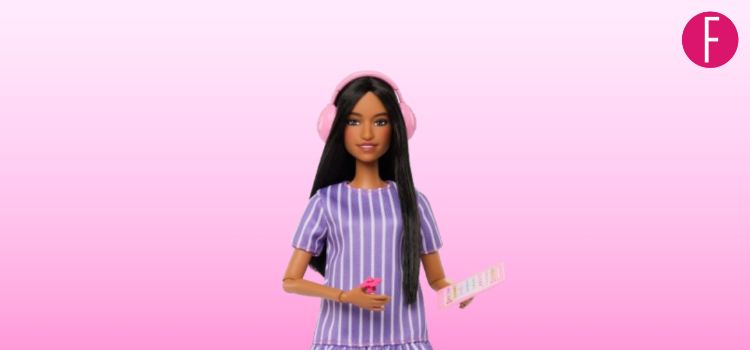
Barbie has always been more than just a toy — she’s a mirror of the world kids see and the possibilities they imagine. With the launch of the first autistic Barbie, Mattel takes a significant step forward in showing that inclusion, neurodiversity, and representation matter. This doll isn’t just for autistic children to see themselves reflected; it’s a tool to help all kids understand, respect, and celebrate differences from an early age.
FEATURES:
- The doll’s eye gaze is slightly to the side, mirroring how some people avoid direct eye contact.
- The doll contains accessories, including a fidget spinner and AAC (Augmentative & Alternative Communication), which many individuals in the community use since they aid with everyday communication.
- She wears a loose-fitting, purple pinstripe dress with a flowy skirt and short sleeves, along with flat purple shoes to promote comfort and ease of movement, keeping sensory sensitivities in mind.
- Noise-cancelling headphones are included to reduce sensory overload, reflecting real-life tools that many autistic individuals use.
- The doll’s hair is styled simply and neatly, designed to avoid restrictive or uncomfortable hairstyles.
This doll is part of Barbie’s most varied line, “Barbie Fashionista”, which includes a wide range of skin tones, body types, and other medical conditions or disabilities, making it one of the most inclusive collections yet.
Designed as an autistic woman of colour, this Barbie highlights groups that are often underdiagnosed or overlooked, showing children — autistic or not — that difference is normal, valuable, and something to celebrate.
The autistic Barbie is available through major retailers and the Mattel Shop, priced in line with other Fashionistas dolls, making inclusion accessible for more children.
More than a toy, this autistic Barbie represents visibility, empowerment, and empathy. By including features that reflect real-life experiences — from stimming and sensory tools to thoughtful clothing and communication aids — the doll normalizes neurodiversity and encourages children to embrace it. With representation like this, playtime becomes an opportunity for learning, understanding, and imagining a world where everyone belongs.
Sources: Guardian, Mattel, Conversation