

A deeply troubling incident has emerged from Swat, Khyber Pakhtunkhwa, where a nine-year-old girl was reportedly married to a 32-year-old man under the orders of a local jirga, drawing sharp criticism and legal scrutiny from authorities and human rights advocates.
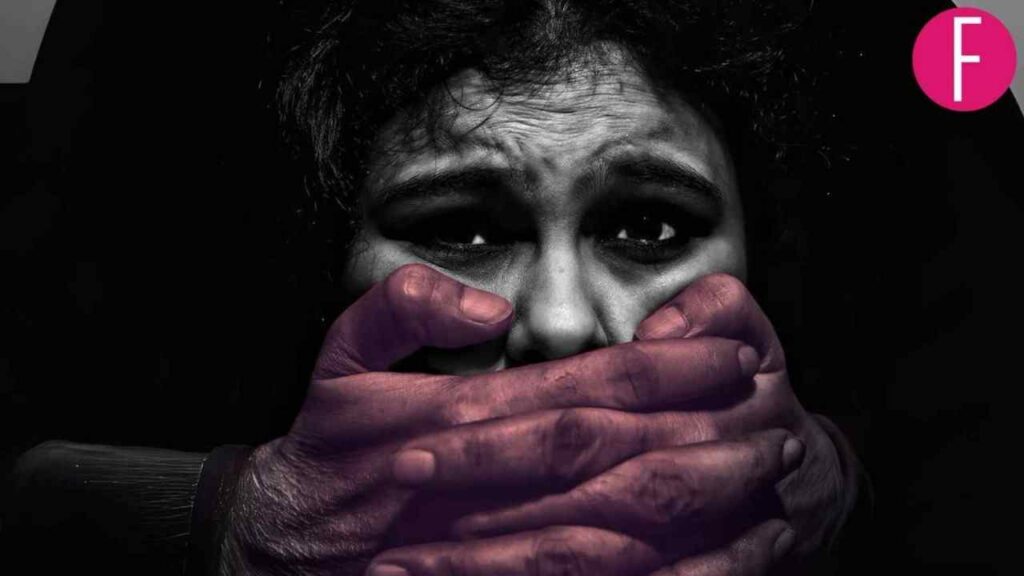
According to multiple news reports, in the Manglor area of Swat, a tribal jirga (council of elders) ordered that a nine-year-old girl be given in marriage to a 32-year-old man as a form of informal settlement related to a family dispute. Local police have since launched an investigation into the case.
Local sources say the decision came after the girl’s uncle was reportedly involved in the abduction of a woman about four months earlier. The jirga then chose to resolve the conflict by giving the child in marriage – a form of customary “swara” or compensation marriage – which remains a deeply controversial traditional practice in parts of Pakistan.
Police action has been initiated, including registering relevant cases and probing the roles of those who conducted or facilitated the marriage.
What Is “Swara” / Compensation Marriage?
“Swara” (also called vani in some regions) is a traditional custom in parts of Pakistan where girls – often minors – are given in marriage or servitude to settle disputes, blood feuds or crimes between families. Although outlawed under modern Pakistani law, it persists in rural and tribal areas where informal jirga decisions still hold social sway.
Human rights organizations and women’s rights advocates have long criticized swara as a violation of children’s rights and a form of gendered punishment that denies girls agency, education, and safety.
Legal Framework: What Pakistan’s Laws Say
Pakistan has several legal provisions aimed at preventing child and forced marriages, but enforcement and coverage vary by region:
1. Child Marriage Restraint Law (Federal & Provincial Developments)
In 2025, Pakistan enacted a new national law – the Child Marriage Restraint Bill 2025 – making it illegal to marry anyone under 18 years. It sets the minimum marriage age at 18 for both boys and girls and criminalizes solemnizing or facilitating underage marriages. Violators can face imprisonment and fines. Nikah officiants (registrars) are specifically barred from conducting marriages if either party is underage and must verify ages using official ID cards. Failures can lead to penalties including jail time and fines. In some provinces, similar laws are also being introduced or strengthened – for example, in Balochistan in late 2025, child marriage has been declared illegal with rigorous penalties.
2. Provincial Laws (Before 2025)
Provinces like Sindh had already set 18 years as minimum age for marriage under the Sindh Child Marriage Restraint Act, 2013. Earlier federal frameworks (e.g., the Child Marriage Restraint Act, 1929) had lower ages (16 for girls) and limited legal power, but these longstanding laws were widely seen as outdated.
3. Other Legal Protections
Under the Prevention of Anti-Women Practices Act, forced marriages such as swara or vani used to settle disputes are illegal and punishable with significant prison terms and fines.
Despite these laws, traditional and informal jirgas often operate outside formal legal structures, especially in rural and tribal areas – resulting in gap between legal standards and on-ground practices.
Police investigations are underway in Swat to determine who organized and facilitated the marriage. Legal experts and activists are calling for strict enforcement of child marriage laws, prosecution of those responsible, and enhanced protections for minors.
This is a developing story.
Sources: ARY News, Daily Times, and Instagram.


Comments 1