

The Islamic Republic of Iran has begun a period of official mourning and farewell ceremonies after the assassination of Ayatollah Ali Khamenei, who served as Supreme Leader for decades.
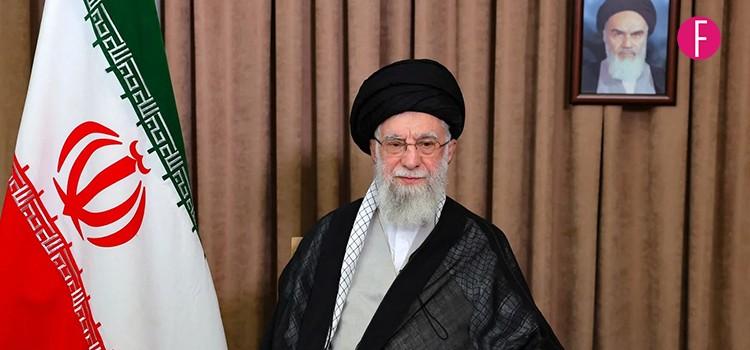
His assassination in an airstrike has led to unprecedented public events in Tehran and plans for burial in his hometown. What’s happening now involves large public participation, national rituals, and evolving funeral arrangements that are drawing attention inside and outside Iran.
Below are five important developments that explain where the ceremonies are happening, how people are mourning, and what comes next.
1. Three‑Day Public Mourning in Tehran
Iran has announced a three‑day public farewell ceremony for the late Supreme Leader. The ceremony was scheduled to begin at 10 p.m. local time at the Imam Khomeini Prayer Hall (Mosalla) in Tehran, where Khamenei’s body is being placed so people can come and pay their respects over three consecutive days.
Officials have described this period as a time for the general public — including families and citizens from all walks of life — to attend, pray, and show their respect. The ceremony is meant to be open and inclusive, reflecting his role as the country’s highest religious and political authority.
2. Where He Will Be Buried
Iranian state and news agencies report that Khamenei will be buried in the holy city of Mashhad, in northeastern Iran, where he was born and where his father is also buried near the Imam Reza shrine. Mashhad holds deep religious importance in the country, making it a symbolic choice for his final resting place.
Before the burial in Mashhad, officials say there will be a large farewell gathering in Tehran, and arrangements are being worked out for the funeral procession after the three‑day mourning period. The exact date and timing for burial have not yet been officially confirmed.
3. Main Prayers and Expected Crowds at the Prayer Hall
The heart of the public mourning is taking place at the Imam Khomeini Mosalla in Tehran, one of the largest prayer complexes in the capital. Iranians are able to visit the site to pay homage to Khamenei’s body, and officials have repeatedly encouraged people to attend and show their presence.
Iranian authorities have said they expect very large crowds to turn up over the three days. Because of the expected turnout, plans for the formal funeral procession are still being finalized, and some events have been postponed or adjusted to ensure safety and logistics can handle such numbers.
4. How People Are Mourning His Loss
Across Iran, mourning has taken many forms. In Tehran and other major cities, many people gathered at mosques and public squares to pay respects, pray, and stand in long lines at the Mosalla to see Khamenei’s body. These gatherings often follow traditional Shia mourning customs and include prayers and recitations.
In some areas outside Iran, people with cultural or religious ties to Iran have also held small remembrance events. Meanwhile, the Iranian government has declared 40 days of national mourning, a traditional period in Shia culture following the death of a major leader, during which commemorative activities and prayers will continue.
5. Funeral Details and Official Planning
Funeral planning is ongoing and remains partly in flux because of the scale of public interest. Iranian state media initially reported specific start times for the ceremonies but then noted that some events were postponed due to the expected massive turnout of mourners — a step officials said was necessary to manage crowds and security.
Officials and Iranian state broadcasters say the formal funeral procession and burial schedule will be announced once preparations are complete. This includes coordinating large public gatherings, religious rites, and travel to Mashhad for the burial events.
The unfolding ceremonies and continued national mourning reflect both the deep symbolism of his leadership and the strong emotional responses his passing has stirred among many Iranians.

