

Petrol prices in Pakistan have reached a shocking Rs. 458 per litre, creating serious problems for millions of people. Not long ago, petrol was around Rs. 200–220, then it increased to about Rs. 322, and now it has jumped close to Rs. 458. This rapid rise has made daily life much more expensive.
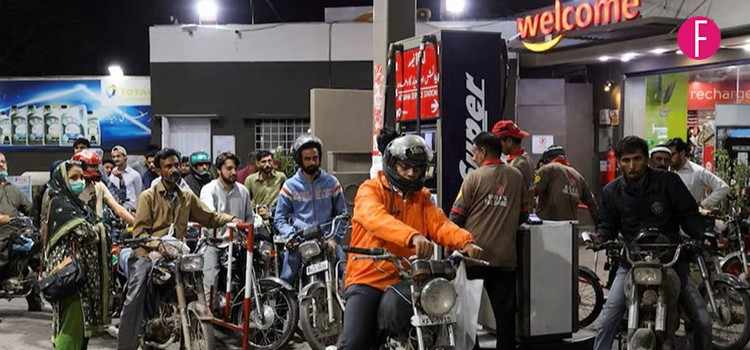
The biggest impact is on the middle class and lower-income families. According to recent World Bank date, a large part of the population in Pakistan is already struggling. Approximately 44.7% (about 107 million people) live below the international lower middle income poverty line of $4.20 per day. Roughly 16.5% of the population (nearly 40 million people) live in extreme poverty, defined by the World Bank as surviving on less than $3.00 per day. Arab News
This means that almost half the country is either poor or very close to becoming poor. The rising inequality in income distrubtion might drive a class divide that will lead to further socio-economic problems in the country.
When petrol prices increase, it does not only affect drivers. It affects everything. Transport becomes expensive, food prices go up, electricity and delivery costs increase, and businesses raise prices. For a middle-class family, this means cutting down on basic needs, reducing travel, and struggling to manage monthly expenses.
There are several reasons behind this sharp increase in petrol prices. Pakistan imports most of its fuel, so when international oil prices rise, local prices also go up. The weak Pakistani rupee makes imports even more expensive. In addition, government taxes and economic policies, including agreements with global lenders, have also contributed to higher fuel prices.
People have taken to X (formerly Twitter) to express their anger and frustration. Many are asking how long they can survive like this, while others are demanding relief. The rising cost of living has become one of the biggest concerns for the public.
The current situation is very difficult. Inflation is already high, incomes are not increasing at the same pace, and many families are under pressure. Experts also warn that more people could fall into poverty if this trend continues. With a large portion of the population already struggling, this increase is making life even harder. For many Pakistanis, especially the middle class, the situation is becoming increasingly difficult to manage.

