

Pakistan is witnessing a concerning rise in mpox (monkeypox) cases, particularly in the southern province of Sindh, where health authorities have confirmed multiple infections and deaths in recent weeks. The situation has drawn attention due to signs of local transmission, increasing case numbers, and heightened vulnerability among children.
According to official data released on April 10, 2026, at least 14 mpox cases have been reported across Sindh this year. The majority – 12 cases – have emerged in Khairpur, while two cases have been confirmed in Karachi, indicating that the virus is no longer confined to a single district.
Health experts say this geographic spread is significant, as it suggests the outbreak may be expanding beyond its initial cluster.
Deaths linked to the outbreak
Authorities have confirmed five deaths associated with mpox, most of them involving children. In several cases, officials clarified that mpox was not the sole cause of death, but underlying factors such as malnutrition and weakened immunity contributed to fatalities.
The high vulnerability of children has raised alarm among public health officials, particularly in under-resourced areas.
Karachi reports local transmission
A major concern is the emergence of locally transmitted cases in Karachi, Pakistan’s largest city.
The latest confirmed case involves a 22-year-old man from the Buffer Zone area, who had no recent travel history, suggesting community spread. He is currently in isolation at a government infectious diseases facility.
An earlier case in Karachi had been linked to international travel, but the new case indicates that the virus may now be circulating locally.
Government response and containment measures
Sindh health authorities have initiated several emergency measures to control the outbreak, including:
- Establishment of isolation wards in district hospitals
- Enhanced screening and testing protocols
- Instructions for healthcare workers to use personal protective equipment (PPE)
- Public advisories urging individuals with rash, fever, or skin lesions to seek immediate medical care
Officials have emphasized early detection and hospitalization as key to limiting further spread.
What is mpox and how it spreads
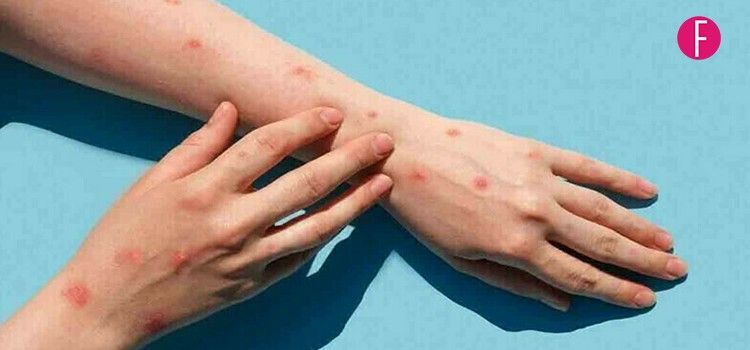
Mpox is a viral disease caused by the monkeypox virus, a member of the orthopoxvirus family, and typically presents with fever, flu-like symptoms, swollen lymph nodes, and a characteristic skin rash or lesions that can persist for several weeks. The virus spreads primarily through close physical contact, including exposure to infected skin lesions, bodily fluids, or contaminated materials such as clothing or bedding.
Although most cases are mild and resolve on their own, children and immunocompromised individuals face a higher risk of severe illness. Mpox was first identified in humans in 1970 in the Democratic Republic of the Congo, though the virus had earlier been detected in laboratory monkeys in 1958, which led to its name. There is no specific “cure” for mpox, and treatment is generally supportive – focused on relieving symptoms, preventing complications, and ensuring hydration and recovery. However, vaccines originally developed for smallpox, such as the JYNNEOS vaccine, have been found to be effective in preventing mpox and are used in some countries for high-risk populations and outbreak control.
At the current stage of the outbreak, citizens are advised to remain cautious and proactive without panicking. Individuals should avoid close physical contact with anyone showing symptoms such as unexplained rashes, skin lesions, or fever, and should not share personal items like clothing, towels, or bedding. Maintaining good hygiene – especially frequent handwashing with soap or using sanitizers – can significantly reduce the risk of infection. People experiencing symptoms should seek medical attention promptly and isolate themselves to prevent further spread. It is also important to rely on official health advisories, cooperate with screening or contact-tracing efforts, and ensure that vulnerable individuals, particularly children and those with weakened immune systems, are protected. Public awareness and responsible behavior remain key to controlling the spread of mpox.
Sources: DAWN News, Express Tribune, and Pakistan Today.


Comments 1