

In her recent Instagram series 60 Second Sabzi, Fareeha Jay tackled a question many people with diabetes — or even just trying to eat better — often ask: what exactly does “low GI (Glycemic Index)” mean, and what should we be eating?
The answer starts with understanding the Glycemic Index (GI) — a system that ranks carbohydrate-containing foods based on how quickly they raise blood sugar levels. Foods are scored on a scale from 0 to 100. The higher the number, the faster your blood sugar spikes.
Why Low GI Foods Matter
As Fareeha explains, low GI foods are digested and absorbed more slowly, which means they release glucose gradually into the bloodstream instead of causing sudden sugar spikes. This is especially important for people managing conditions like Diabetes, where sharp rises in blood sugar can be harder to control.
But it’s not just about diabetes. Eating low GI can also help with better energy levels, weight management, and overall metabolic health. Instead of that quick high (and crash), your body gets a more steady supply of fuel.
What Counts as Low GI?
In her 60 seconds video, Fareeha highlights some of the easiest, everyday options to include:
- Vegetables (especially non-starchy ones)
- Fruits like apples and berries
- Whole grains such as oats, quinoa, and whole wheat atta
- Brown rice instead of white
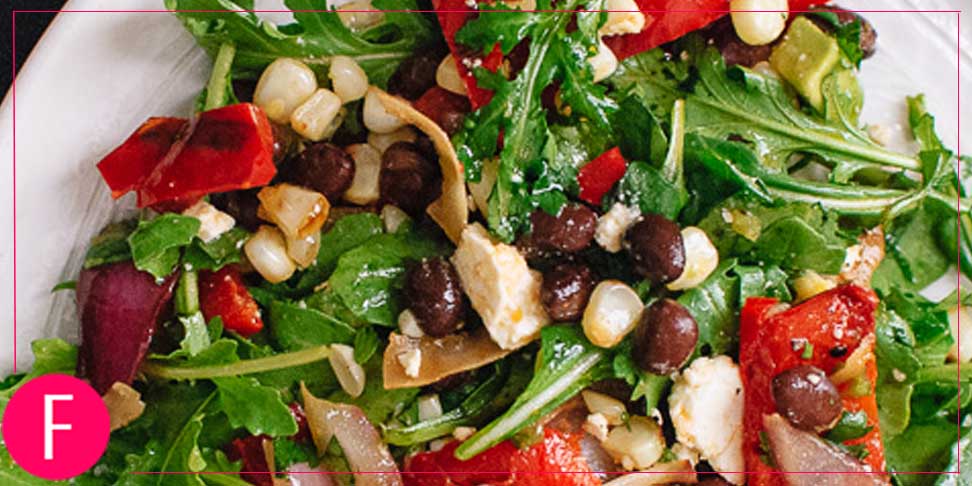
- Lentils, chickpeas, and kidney beans
These foods are naturally higher in fiber and nutrients, which slows down how quickly sugar is absorbed.
What’s also important — and often overlooked — is that GI isn’t fixed. The same food can behave differently depending on how it’s cooked, processed, or even how ripe it is. For example, more processed or overcooked foods tend to raise blood sugar faster, while whole and minimally processed options keep things steadier.
Low GI eating isn’t about cutting out foods completely — it’s about making smarter swaps. Choosing whole, fiber-rich options over refined ones can make a noticeable difference in how your body handles sugar.
And as Fareeha’s quick breakdown shows, it doesn’t have to be complicated — sometimes, it’s just going back to basics.
About Fareeha Jay Anwar
Fareeha Jay is a Registered Dietitian specializing in South Asian nutrition. With a background in anthropology and dietetics, she combines cultural understanding with nutritional science to provide personalized dietary guidance.
Sources: Healthline, Medline Plus
Follow us on instagram

