

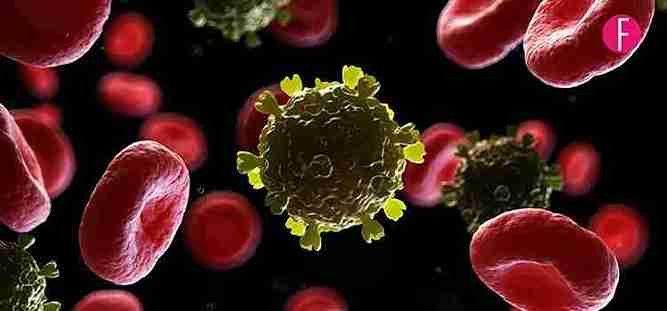
Human Immunodeficiency Virus (HIV) is a virus that attacks the body’s immune system, specifically the CD4 cells (T cells), which help fight infections. If left untreated, HIV can progress to Acquired Immunodeficiency Syndrome (AIDS), the most advanced stage of the disease where the immune system is severely damaged.
HIV is not spread through casual contact—it requires specific modes of transmission. These include unprotected sexual contact, transfusion of infected blood, sharing contaminated needles or syringes, and transmission from mother to child during pregnancy, childbirth, or breastfeeding. Importantly, HIV does not spread through touch, food, water, or air.
Once inside the body, HIV integrates into the host’s cells and begins replicating. Early symptoms may resemble flu—fever, fatigue, swollen lymph nodes—but many people remain asymptomatic for years. This “silent phase” is what makes HIV particularly dangerous; individuals can unknowingly transmit the virus while appearing healthy.
There is currently no cure for HIV, but it is highly manageable with antiretroviral therapy (ART). These medications suppress the virus to undetectable levels, allowing people living with HIV to lead long, healthy lives and effectively eliminating the risk of transmission when viral load is undetectable.
One of the most important aspects of HIV today is that it is preventable and manageable. Protecting yourself starts with consistent condom use, ensuring any blood transfusion is screened, and never allowing the reuse of needles or syringes—even in medical settings. If you require injections, insist on a new, sealed syringe being opened in front of you. Regular testing is crucial, especially if you fall into any risk category, as early detection allows timely treatment. Preventive options like PrEP (pre-exposure prophylaxis) are also available for those at higher risk. In healthcare environments, asking questions and being vigilant about hygiene standards is not overcautious—it is necessary.
The Silent Surge: Pakistan’s Growing HIV Crisis
For decades, HIV in Pakistan was seen as a “hidden” disease, largely confined to marginalized populations. That perception no longer holds true.
By 2026, the country faces a turning point. HIV has moved beyond traditional high-risk groups into the general population, with an estimated 350,000 people living with HIV. Increasingly, children are among the most affected—highlighting a crisis that goes far beyond individual behavior.
A Systemic Failure: When Treatment Becomes Transmission
The most alarming contributor to recent infections is iatrogenic transmission—when patients contract HIV through unsafe medical practices.
Investigations in 2026 revealed shocking negligence at a Tehsil Headquarters hospital in Taunsa, where syringes were reused multiple times. This practice has been linked to an outbreak infecting 331 children between 2024 and 2025.
Sindh continues to report troubling numbers. In just the first quarter of 2026, 894 new cases were recorded, with nearly 37% involving children. Experts point to unregulated clinics, poor sterilization, and unsafe injection practices as major drivers. The aftershocks of earlier outbreaks, including Larkana in 2019, remain evident.
The Capital Under Threat
Islamabad is no longer insulated from the crisis. The city reported 618 new cases over a recent 15-month period. Unlike rural outbreaks, these infections are more common among adults and reflect a mix of unsafe medical practices and gaps in awareness.
This shift signals a dangerous reality: HIV in Pakistan is becoming a generalized epidemic, spreading within the wider population.
The Numbers Behind the Crisis
- 350,000 estimated HIV cases nationwide
- Sindh (Q1 2026): 894 new cases (329 children)
- Islamabad (2025–26): 618 new cases
- Taunsa outbreak: 331 children infected
- Testing gap: ~80% unaware of their status
A Race Against Time
Pakistan has expanded access to treatment, with around 127 ART centers now operating nationwide. However, only about 25% of people living with HIV are registered for treatment, leaving the majority undiagnosed and untreated.
The way forward demands urgent reform: strict enforcement of sterilization standards, regulation of clinics, elimination of unsafe injection practices, and widespread awareness campaigns
What should unsettle policymakers most is that Pakistan’s HIV surge is not a mystery of behavior—it is a consequence of choices the system has made and continues to tolerate. When Human Immunodeficiency Virus spreads through clinics instead of communities, it strips away the convenient narrative of “high-risk groups” and replaces it with something far more uncomfortable: institutional culpability. This is a governance failure masquerading as a health crisis. The state’s fragmented oversight, weak licensing regimes, and lack of enforcement have effectively created a parallel healthcare system where unsafe injections, unverified blood, and untrained practitioners operate with impunity.
This is no longer just a public health issue; it is an ethical crisis. The continued tolerance of unsafe practices, from syringe reuse to unregulated clinics, suggests a dangerous normalization of negligence. Unless authorities move beyond reactive measures and enforce strict, zero-tolerance standards across both public and private healthcare sectors, the country risks allowing a preventable epidemic to spiral further out of control.

