

Israeli Prime Minister Benjamin Netanyahu has claimed that he made a secret visit to the United Arab Emirates during the recent war with Iran, triggering sharp denials from Abu Dhabi and opening a new chapter in the region’s already tense political climate.
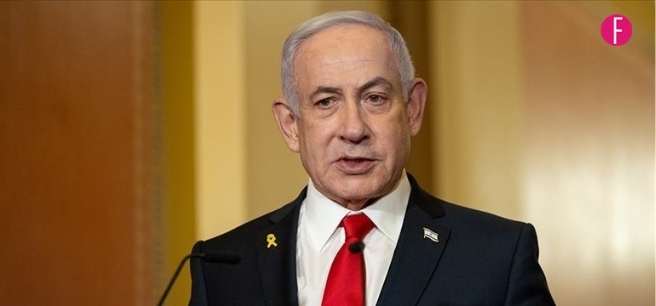
According to statements released by Netanyahu’s office, the Israeli leader secretly travelled to the UAE on March 26 and met President Sheikh Mohammed bin Zayed Al Nahyan in the city of Al Ain. Israeli officials described the meeting as a “historic breakthrough” in relations between the two countries during one of the most dangerous periods of the Iran conflict.
However, the UAE quickly rejected the claims. In an official statement carried by the state news agency WAM, Emirati authorities said reports about Netanyahu’s visit or the arrival of any Israeli military delegation were “baseless” and “entirely unfounded.” The foreign ministry stressed that relations between the UAE and Israel are public and transparent under the Abraham Accords and are “not based on secrecy or clandestine arrangements.”
The dispute has drawn major international attention because it comes at a time of rising tensions across the Middle East following the Iran war. During the conflict, Iran launched missile and drone attacks against several US bases in Gulf countries, including the UAE, accusing them of allowing American and allied military forces to operate from bases on their territory. The UAE hosts several strategic US military facilities, which Tehran has long viewed as a potential threat during regional conflicts.
Reports in international media suggested that Israel provided Iron Dome air defence systems and military personnel to help protect the UAE during Iranian attacks. Former US ambassador to Israel Mike Huckabee also publicly stated that Israeli defence systems had been sent to the Gulf state during the fighting. Netanyahu’s office did not deny those reports and instead said the alleged visit represented deeper strategic cooperation between the two sides.
Several reports also claimed that Mossad chief David Barnea made multiple trips to the UAE during the war to coordinate security operations. The Wall Street Journal and other outlets reported that flight-tracking data appeared to show aircraft travelling between Israel and the UAE around the time of the alleged meeting.
Despite the denials, analysts believe the controversy reflects the growing but sensitive relationship between Israel and Gulf Arab states since the signing of the Abraham Accords in 2020. While the UAE officially normalized relations with Israel years ago, public opinion across the Arab world remains deeply critical of Israeli policies, especially during regional conflicts involving Iran and Gaza.
Iran has reacted angrily to the reports. Iranian officials warned Gulf countries against what they described as “collusion” with Israel and accused some regional governments of helping Israeli military operations during the war. Tehran has repeatedly claimed that certain Gulf states allowed their territories or facilities to be used against Iran.
Whether the alleged meeting actually took place remains unclear, but the conflicting statements from Israel and the UAE have highlighted the secretive diplomacy, security cooperation and political pressures shaping the Middle East after the Iran war.
This is a developing news.
Sources: Reuters, Al Jazeera, and The Guardian.

