

Israeli forces carried out a new wave of airstrikes across Lebanon from the night of 18 June into 19 June 2026, targeting areas that Israel said were linked to Hezbollah military activity.
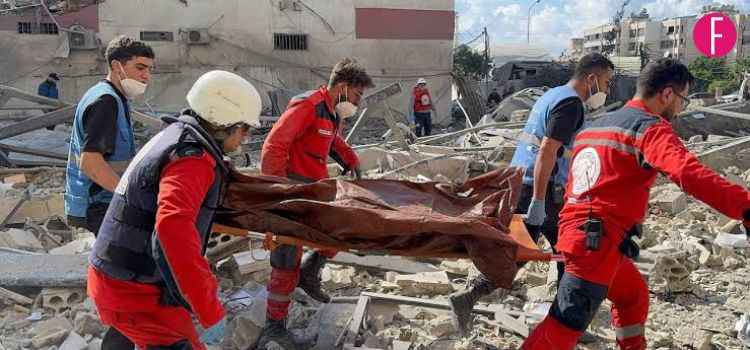
The Israeli military claimed their operations were aimed at Hezbollah-linked positions, but reports from Lebanon indicated that the bombardment was continuing, and there were increased casualties in the areas affected. According to reports, Israeli aircraft carried out attacks on a number of locations within southern Lebanon, as well as other locations that lie further inland. Reports from Lebanon indicate that about eight locations have been hit in the recent series of attacks carried out by the Israeli military, and the strikes have taken place in areas linked to Hezbollah’s military operations.
The Israeli military stated that the strikes were directed at Hezbollah infrastructure and operatives, while Lebanese officials and local sources warned that the continuing attacks were increasing risks for civilians and threatening already fragile ceasefire arrangements.
Background
These recent strikes came in wake of increased levels of tension between Israeli forces and Hezbollah. The escalation intensified after Hezbollah carried out an attack that killed four Israeli soldiers, according to reports from Israeli officials. Following this, Israel conducted retaliatory air operations throughout Lebanon citing military operations aimed at Hezbollah facilities.
Israeli officials have argued that military action in Lebanon is necessary to prevent Hezbollah from rebuilding its operational capabilities near the Israeli border. The Israeli government has repeatedly said that its strikes are focused on armed groups and military infrastructure rather than Lebanon as a state. However, Lebanese authorities and residents have expressed concern over the scale of bombardments and the impact on populated areas.
Areas Hit and Scale of the Attacks
According to reports, the recent Israeli military campaign involved strikes in different regions in Lebanon, with the emphasis being on the southern region. The southern region has become the epicenter of confrontation between Israel and Hezbollah as a result of its closeness to the border region as well as the presence of Hezbollah forces in this area. Additional strikes were also reported toward areas including the Bekaa Valley, where Hezbollah has historically maintained networks and facilities.
According to the latest reports, Israeli military reportedly hit more than 80 targets linked to Hezbollah overnight, hitting the launch locations, command posts and infrastructure in the areas of Nabatieh and other parts of southern Lebanon, which were reportedly in reaction to the alleged violations of the ceasefire by Hezbollah.
The exact extent of damage is still being assessed.
Casualties and Human Impact
Casualties were reported by the Lebanese officials after the strikes carried out by Israelis, and according to other international sources, the number of people killed during the conflict was at least 24 and dozens of people were injured in the most recent episode.The death toll includes civilians, according to Lebanese sources, although Israel maintains that its operations were aimed at Hezbollah-linked targets.
The new outbreak of hostilities has increased the stress on the residents in southern Lebanon who have been displaced multiple times along with facing destruction of properties and disruption in daily lives in light of the months of hostilities in the area.
Impact on US-Iran Diplomatic Efforts
These attacks took place at a very crucial stage in regard to regional diplomacy. The recent deal between Iran and the US was aimed at establishing some form of route towards de-escalation, the agreement includes Lebanon, but now the ongoing conflict in Lebanon may hinder this process. The diplomatic talks arranged in the wake of this deal may be disrupted by the conflict between Israel and Hezbollah.
The Lebanon front represents the toughest challenge in regional diplomacy since Hezbollah is not part of the Iran-US deal whereas Israel has made it clear that it will launch military action as long as its security is threatened.
As of June 19, the situation remains highly fluid, with Israeli strikes still being carried out across Lebanon. Lebanese officials, international mediators, and regional actors are closely monitoring whether the latest escalation will remain limited or develop into a broader military confrontation. Lebanon remains under growing pressure as continued airstrikes, military exchanges, and rising casualties increase concerns over further instability. The coming days are expected to be critical in determining whether diplomatic efforts can contain the violence or whether the fighting will intensify further.
This is a developing story.
Sources: Al Jazeera, BBC, and DAWN News.

