

For years, WhatsApp has worked in one very specific way: if someone wanted to message you, they needed your phone number. Whether it was a new colleague, someone from a university group, a seller on Marketplace or a parent from your child’s football team, giving out your number was simply part of using the app. Now, that is about to change.
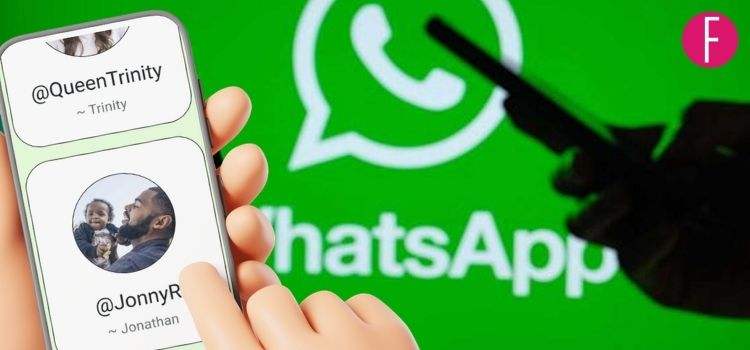
WhatsApp is introducing one of its biggest updates in years: usernames. Instead of handing over your personal number every time you want to connect with someone new, you’ll soon be able to share a unique username instead. The feature is being positioned as a major privacy upgrade, but it has also raised questions about impersonation, scams and whether hiding phone numbers could create new security risks. Here’s everything worth knowing about the update.
Your phone number is no longer the centre of your WhatsApp identity
The biggest change is surprisingly simple. Once the feature becomes available, users will be able to create a unique username that people can use to find and message them instead of their phone number. Think of it as moving a little closer to how platforms like Telegram, Instagram or X work, except your WhatsApp account will still exist behind the scenes exactly as it does today.
That does not mean phone numbers are disappearing altogether. You’ll still need one to create and keep your WhatsApp account. What changes is what other people see. If you’ve enabled usernames, someone you’re chatting with for the first time won’t automatically receive your phone number. Instead, they’ll only see the username you’ve chosen.
It’s a small change on paper, but it solves a problem many WhatsApp users have dealt with for years: wanting to join communities, temporary groups or conversations without immediately exposing a number that is tied to so much of their personal life.
Privacy gets a boost, but WhatsApp knows people are worried about scammers
The obvious question is whether making usernames public makes it easier for scammers to hide behind fake identities. That’s one of the biggest concerns surrounding the rollout, and WhatsApp appears to have anticipated it.
Unlike social media platforms, there won’t be a public directory where anyone can browse usernames or randomly discover people. Someone will need to know your exact username before they can contact you. Users can also add an optional username key — essentially an extra numerical code that works like another lock on the door. Without both the username and that key, strangers won’t be able to message you.
The company also says it is adding several safeguards behind the scenes. New accounts won’t be able to message unlimited numbers of people, systems will monitor suspicious behaviour that resembles impersonation or spam campaigns, and repeated attempts to guess usernames will be restricted.
When someone contacts you through your username for the first time, WhatsApp also plans to show useful context, such as whether the account is brand new, whether you share any mutual groups or contacts, and even if the person is messaging from another country. The idea is to help users pause before replying to someone who doesn’t look familiar.
Can someone steal your name? Not if you’re a public figure
One of the immediate fears surrounding usernames was impersonation. If millions of people rush to reserve names, what stops someone from pretending to be a celebrity, government department or well-known organisation?
WhatsApp says it has already addressed that issue by reserving high-profile usernames before the feature becomes widely available. Names linked to celebrities, government institutions, public figures and verified Meta accounts cannot simply be claimed by anyone. Even lookalike versions of those names are being restricted to reduce confusion.
Businesses, creators and organisations will also have the option to keep the same identity across Meta’s platforms by claiming usernames that already exist on Instagram or Facebook. The goal is to make official accounts easier to recognise instead of creating another opportunity for fake profiles to spread.
Can you use it now? Not quite — and that’s where many people are getting confused
Although WhatsApp has officially announced the feature, most users still won’t see it immediately. The company is rolling out username reservations in phases before the feature launches more broadly later this year, which explains why some people already have the option while others don’t.
If you don’t see it yet, it doesn’t necessarily mean your app is outdated. WhatsApp is enabling access gradually country by country and account by account. Once it’s your turn, you’ll receive a notification inside the app inviting you to reserve a username before the wider rollout begins.
The feature can only be accessed through the mobile app, not WhatsApp Web or the desktop version.
Sources: Meta, Anadolu Ajansi, Al-Jazeera, BBC
For the latest news, head over to our Instagram:

