

In a major political development, Hamas has announced that it is stepping down from governing the Gaza Strip, bringing an end to nearly 20 years of direct civilian administration. The decision paves the way for a technocratic body to take over the day-to-day running of the territory as part of the broader ceasefire framework currently being negotiated.
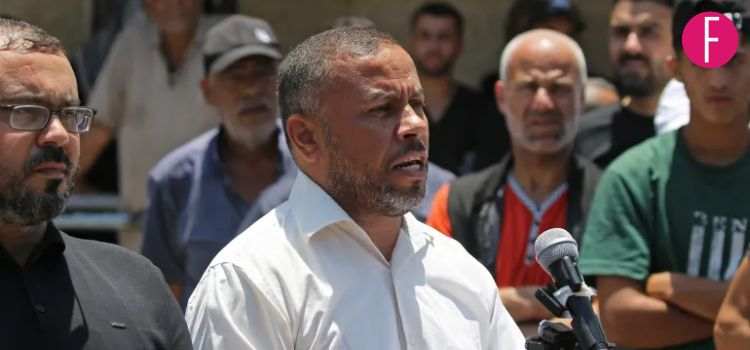
Image Credits: Al-Jazeera
The announcement signals a significant shift in how Gaza could be administered going forward. However, while Hamas is preparing to hand over civilian responsibilities, several key issues—including security, reconstruction and the group’s armed wing—remain unresolved, meaning the transition is far from complete.
Why is Hamas giving up control?
Hamas says the move is intended to help advance the implementation of a ceasefire agreement and make the administrative transition smoother. The group has maintained for months that it is willing to step away from running Gaza’s civil affairs if it helps move the peace process forward and improves conditions for Palestinians living in the enclave.
As part of the announcement, the committee that has been overseeing government affairs in Gaza has been dissolved, while its head, Mohammed al-Farra, has submitted his resignation. Hamas also said government departments providing essential services will continue functioning through career civil servants to ensure that hospitals, municipalities and other public institutions continue operating during the transition.
The decision reflects a shift away from governing, but Hamas has not indicated that it is withdrawing from Palestinian politics altogether.
Who will govern Gaza now?
Civil administration is expected to be transferred to the National Committee for the Administration of Gaza (NCAG), an independent technocratic committee made up of Palestinian professionals rather than political leaders.
The committee is expected to oversee public services, government administration and reconstruction efforts instead of operating as a traditional political government. Led by Palestinian technocrat Ali Shaath, the NCAG has so far been working from Cairo and has yet to establish itself inside Gaza.
Its role will largely focus on restoring essential services and managing civilian institutions while broader political negotiations continue.
Hamas’s rule over Gaza
Hamas emerged in 1987 during the First Intifada as an Islamist Palestinian movement. Over time, it became one of the main political and military forces in Palestinian politics.
The group won the Palestinian legislative elections in 2006, defeating its rival Fatah. Political tensions between the two factions escalated over the following months, eventually leading Hamas to take control of the Gaza Strip in 2007. Since then, Hamas has administered Gaza, while the Palestinian Authority has continued governing parts of the occupied West Bank.
Over nearly two decades, Hamas built and oversaw Gaza’s civilian institutions, including ministries responsible for healthcare, education, municipal services and other aspects of public administration.
What happens next?
The transfer of authority will depend on when the National Committee for the Administration of Gaza is able to begin operating inside the territory and whether the remaining parts of the ceasefire agreement can be implemented.
For now, Hamas says it is ready to hand over responsibility for Gaza’s civilian administration. Whether that leads to a lasting political transition will largely depend on the outcome of negotiations over security arrangements, reconstruction and the wider future of the territory. While many questions remain unanswered, the announcement marks the first time since Hamas took control in 2007 that the group has formally moved to end its role as Gaza’s governing administration.
Sources: Al-Jazeera, Dawn, Daily Sabah, AP News
For more news, head over to our Instagram:

