

Who gets to be the face of Pakistani cinema, and who spends a career standing just outside the frame? Too often, the answer seems to depend on who can draw an audience before a story has even been told. For actors repeatedly cast in small supporting roles, there is little room to show what they can do. Pakistani independent cinema is opening up that space, giving overlooked performers the chance to lead and audiences the chance to see them differently.
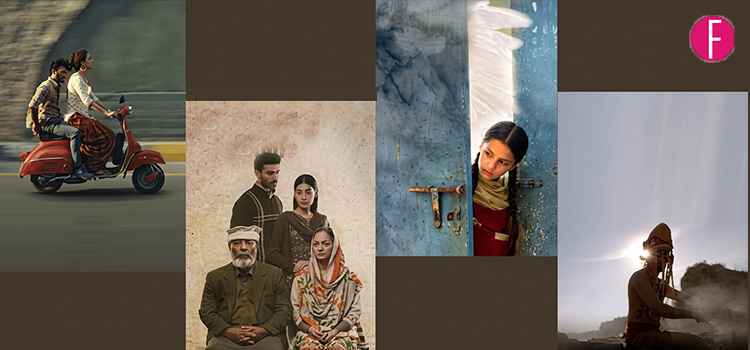
Art has never been about simply entertaining people. At its best, it makes us uncomfortable, challenges what we believe, and gives a voice to people and stories that would otherwise go unheard. Cinema, in particular, has the power to make us see the world through someone else’s eyes. Yet somewhere along the way, much of Pakistani mainstream entertainment has become so consumed with ratings, familiar faces, and commercially successful formulas that we seem to have forgotten what storytelling is capable of. This is why independent cinema matters. It gives filmmakers the freedom to experiment, to tell stories that may not appeal to everyone, and to explore realities that mainstream television would rather leave untouched. But perhaps one of its most beautiful contributions is the space it creates for actors who have spent years being overlooked. Performers who are usually confined to playing someone’s mother, a supporting friend, or a minor character are finally being given the opportunity to carry entire narratives.
This global exposure is doing more than celebrating Pakistani cinema; it is challenging the industry’s narrow understanding of who deserves to be seen. Actors who might otherwise spend their careers playing secondary characters are being recognised for their ability to portray complex, emotionally demanding roles. There is something deeply ironic about the possibility that international audiences may recognise the brilliance of these performers before their own industry fully does.
Films like Joyland show that our stories do not need to be polished into something commercially acceptable to resonate with the world. In fact, it is often their honesty, complexity and willingness to confront uncomfortable truths that make them so powerful. Independent cinema reminds us that art does not always have to be glamorous, that a protagonist does not always have to be conventionally attractive, and that a story does not need a happy ending to be worth telling. More importantly, it reminds us that cinema should belong to artists, not just celebrities. There is immense talent in Pakistan, both in front of and behind the camera but talent cannot flourish in an industry that refuses to take risks. The growing international recognition of Pakistani independent films should be a moment of pride, but it should also force us to reflect on why so many of these artists had to step outside the mainstream to be taken seriously. Because ultimately, the importance of independent cinema lies not merely in the films it produces, but in the freedom it protects, the freedom to create, to question, to be seen, and to tell stories that deserve to exist, even when they are not guaranteed to sell.
International recognition should prompt our industry to look more closely at the talent it already has. An actor should not have to earn applause abroad before being trusted with a substantial role at home. Celebrating independent cinema means supporting the conditions that allow it to survive: funding unfamiliar stories, making room for different faces, and helping these films reach Pakistani audiences. There are remarkable stories waiting to be told here. We need an industry willing to give them a chance.

