

Sukkur Barrage, A Colonial Era Landmark, Can Either Cause A Catastrophe Or Save Sindh From The ‘Flood Wrath’ Of The Indus River.
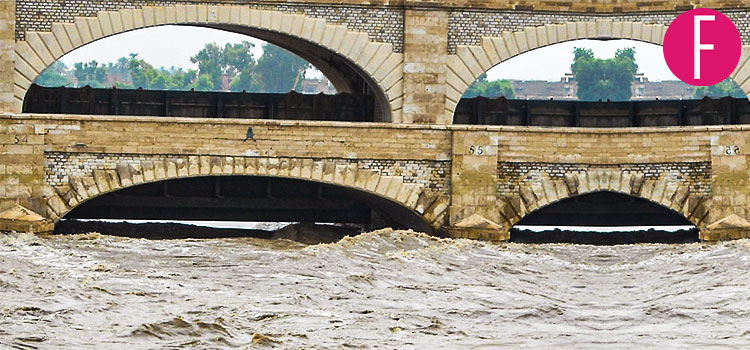
Sukkar Barrage has been labeled the ‘largest single irrigation network of its kind in the world’ and that in itself serves as a moment of pride for us. Although it was built during the British era, the government of Pakistan rehabilitated it within a year, which, according to experts, had added to its efficiency for 60 to 70 years.
Scroll down to know why it is pertinent for the barrage to keep standing amidst the devastating flooding in Pakistan.
Here Are 6 Things You Should Know
1. It was Originally known as Lloyd Barrage. Built in 1932, the barrage has 66 steel gates which are hinged between stone pillars.
2. It is a popular tourist site, serving as a bridge across the Indus river.
3. The Barrage had a 50 year life span but it has survived 90 years.
4. The Barrage redirects water to canals, covering around 10,000 kilometers
5. Due to lack of proper maintenance over the years, unfortunately, the barrage might not be that strong.
6. If Sukkur Barrage fails to manage and contain the water flow from the Indus River, Sindh might be coming face to face with a major disaster.
Let’s all pray that Allah saves Sindh from this imminent calamity and Sukkur Barrage stands strong, hence saving Sindh from the mighty waters of the Indus River.
5 Do’s And (Don’ts) On How To Help Flood Relief Efforts In Pakistan
Sources used in this article include The Express Tribune & Wikipedia.

