

According to the International Labour Organization (ILO), a staggering statistic looms over Pakistan’s homes: one out of every four households engages a child in domestic labor. Shockingly, this practice predominantly targets girls aged 10 to 14 years old.
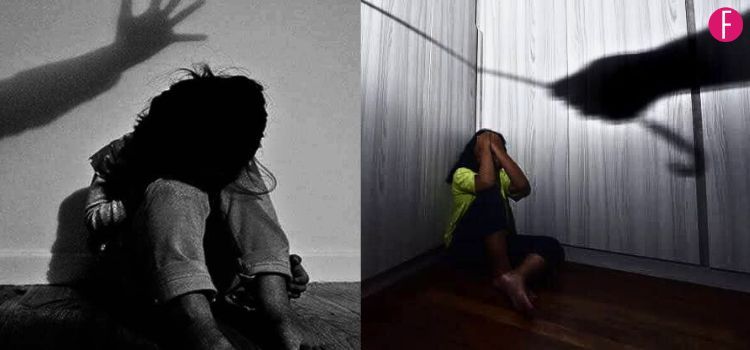
The recent shocking incident in Islamabad, where a teenage girl was allegedly subjected to brutal torture by her employers, once again sheds light on the grim and unsafe conditions that numerous children are forced to endure while living and working. The case of Rizwana, a 13-year-old girl, serves as a painful reminder of the distressing circumstances faced by many children engaged in domestic labor.
Rizwana had sustained severe injuries including fractured arms, legs, and ribs, as well as wounds on her head and body. This tragic event is just one among a growing series of incidents involving inhumane treatment inflicted upon child laborers, especially those working in domestic settings.
According to the Child Rights Movement, 60 children were killed by their employers in the last 10 years, while there were not as many deaths of children in any other hazardous industry. So, the recommendation from child rights activists, which advocates adding CDL to the list of hazardous occupations, is an evidence-based reform.
Taking swift action, a district and sessions court has issued an order for the arrest of the wife of a civil judge, who is accused of inflicting brutal torture upon her domestic worker, Rizwana. However, this disturbing incident highlights the urgent need to address the pressing issue of child labor and ensure the safety and well-being of vulnerable children across the country.
What Role Can We Play?
In the bustling heart of Pakistan, a grim reality shadows the busy streets and colorful bazaars. It’s a reality that tarnishes the innocence of childhood, where young souls are robbed of their dreams and potential. The agonizing plight of domestic child laborers continues to haunt our nation, demanding our collective attention and action.
Ending domestic child labor is a battle we must fight on multiple fronts. It requires policy reforms, economic empowerment, and community engagement. But in this labyrinth of challenges, the role of each individual shines as a crucial spark that can ignite transformative change.
1. Eradicate Acceptance
To catalyze change, we must first unravel the intricate web of misconceptions and normalize the act of questioning long-standing traditions. It is imperative that we cast a critical gaze upon practices that have been entrenched in our society for generations. By initiating conversations that challenge these norms, we lay the groundwork for the awakening of collective consciousness. Rizwana’s case should be a rallying cry, urging us all to say “no more.”
2. Educate
Education stands as the cornerstone of liberation. For every child you support in their pursuit of knowledge, you chip away at the chains that bind them. Be it through supporting NGOs that provide education to these children or personally volunteering to teach, your involvement creates ripples of hope.
3. Report
If you are aware of someone who has engaged in the illegal hiring of child domestic labor, you can take action by reporting the situation to the Ministry of Human Rights (MoHR) helpline at 1099.
Child Labour Laws In Pakistan
As of September 13, 2021, Pakistan took a significant step forward by enacting The Islamabad Capital Territory Domestic Workers Bill, 2021. This bill, which was officially ratified into an Act in 2022, marks a crucial milestone by outlawing child labor in domestic settings without exception. However, it’s important to note that this law is currently applicable only within the federally administered territory, with provincial governments yet to adopt similar measures.
In the province of Punjab, the Punjab Domestic Workers Act 2019 outlines a clear stance on child labor. The Act designates the minimum age for employment as 15 years, allowing children between the ages of 15 to 18 to engage in light work. This type of work is defined as activities that do not adversely affect a child’s health, safety, or educational opportunities. Moreover, the Act emphasizes the rights of domestic workers, prohibiting their engagement under bonded labor conditions. It requires employers to provide dignified working conditions and ensure occupational safety and health measures.
In Sindh, the Prohibition of Employment of Children Act, of 2017, and in Khyber Pakhtunkhwa, the Prohibition of Employment of Children Act, of 2015, set the bar for minimum labor age at 14 years.
Guided by the Domestic Workers Convention, 2011 (No. 189) by the International Labour Organization (ILO), member states like Pakistan are tasked with safeguarding the rights of young domestic laborers. This Convention emphasizes that while domestic workers aged under 18 should be above the minimum employment age, their work must not hinder their compulsory education or hinder their ability to pursue further education.
Aligning Words With Actions
Protection of children is enshrined in Article 19 and Article 32 of the United Nations Convention on the Rights of the Child (UNCRC), ratified by Pakistan 30 years ago.
Despite Pakistan’s commitment to this convention, CDL hasn’t been officially classified as hazardous or the most detrimental form of work within the country’s domestic laws. A concerning dichotomy exists – while Pakistan ratified international conventions, it falls short in both recognizing and addressing these issues within its own borders. This disparity underscores a disconcerting reality.
Even though Article 11 of Pakistan’s Constitution explicitly forbids slavery and forced labor, the prevalence of child domestic labor remains distressingly widespread. The paradox deepens as the country grapples with the contradiction between its constitutional commitments and the lived experiences of many children.
A key contributor to this dilemma lies in the lack of dedicated attention from both federal and provincial governments. The issue of CDL struggles to gain prominence within legislative assemblies due to this lack of priority. It’s a disheartening situation where the plight of countless children languishes on the sidelines, overshadowed by other matters.
The success of ILO recommendations to end child labor in Pakistan will largely depend on the action taken by policymakers. According to the UNICEF Child Protection Strategy draft. To effectively tackle this issue, policymakers need to provide support and resources for vulnerable families who are at high risk of sending their children into hazardous working conditions.
Furthermore, creating job opportunities that offer fair wages and safe working environments can help incentivize parents to keep their children in school instead of sending them out to work. However, implementing these solutions requires a long-term commitment from government officials and stakeholders alike. To achieve sustainable progress towards ending child labor in Pakistan, it is important that these policies are implemented alongside other efforts such as education programs designed specifically for marginalized communities where child labor is prevalent.
Such programs could involve providing vocational training or scholarships for disadvantaged youth which would increase their chances of finding employment later on while also keeping them away from harmful jobs. (UNICEF Child Protection Strategy, 2021-2030).
Children are the architects of our future, not tools for our convenience. Ending child labor in Pakistan is not just a responsibility; it’s a moral imperative.

