

“Larkiyan cycle nahi chala saktin, larkon say dostian nahin kar saktin, sawaal nahi kar saktin, kar kya saktin hai larkiyan phir?” The dialogue of Razia says it all!
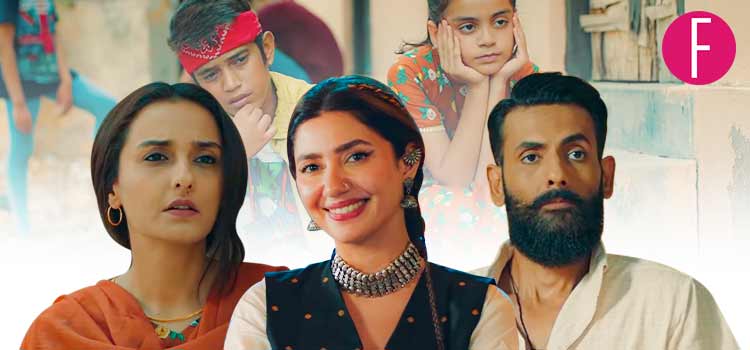
A Mindful Narrative
To say that Razia’s first episode was speaking a woman’s mind is perhaps correct, but to understand that it spoke her heart too, is where the story might have truly hit home. They say, the message has been delivered so often that it loses impact, they say, we’ve heard it, seen it all before, they say women’s rights is a topic that needs a makeover – oh well, Razia seems to be delivering that makeover and fast!
Differently Delivered Messages
Razia “episode one” was a symphony of impactful visuals, sharp dialogues and a fast-paced script laced with dark humor, sarcasm, amusement and a lesson in how to deliver messages on women empowerment in a non-preachy manner. From Mahira riding a bike to Razia desperately wanting to ride one, from celebrating the birth of a baby boy vs a baby girl, from willing to give up a wife’s life in exchange for a son, from depicting our public spaces occupied by boys, (an unspoken norm) and girls expected to play with dolls over bikes – Razia’s narrative teases viewers with symbolism, societal norms and what we consider “normal”.
Real Life Depictions
Our real-life narratives are so disbalanced that when Salim asks Razia to go play with dolls rather than bikes, and when Zohra chides her “larkian larkon se dosti nahi karteen”, the unsuspecting mind might wonder – so, isn’t that what you’re supposed to do? And that is the beauty in a story such as Razia. It places our biases right before us, making us see right through them, revisit them and then, hopefully, realize where we’ve been going wrong.
Razia’s dadi prepping for a grand welcome for a baby boy, Razia’s dad investing time and money into his son’s upbringing and development, her dadi’s sudden death that, had it been heralded after the birth of a baby girl could have been deemed inauspicious, are all experiences that represent the lives of many young girls and boys, and unfortunately of homes where siblings of both genders inhabit strangely contrasting lives.
A Woman’s Silence Speaks Volumes
But what was perhaps heavily painful yet disturbingly true to life, was the loud silence echoed by Zohra, Razia’s mom, who walked smilingly by her husband’s side, holding her newborn son in her arms, despite having been through the deafening defeat of a daughter’s birth earlier. Not just that, but her acceptance of the status quo, of silencing her daughter in the face of a clear disparity on the upbringing of her children was both reflective of many mothers who might be Zohras in their own homes and also, a reason to question if they might also be, indeed, accomplices to the murder of their daughter’s dreams. Not speaking up is a crime too, do you agree?
Finally, and on a sober note, the first episode showed us how a level of subtle brainwashing works to mold attitudes and mindsets, for example, Salim’s mother telling him that the birth of daughters means the family will be demand jahez = more expenditure, and a son will actually contribute towards the financial wellbeing of a family – heavy lessons indeed. It also showed us, unfortunately, that a woman is advocating the birth of a son over a daughter – anyone heard of the case of being your own worst enemy? Yeah, that’s right. We hope you got the drift.
Uplifting Storytelling
But it was not all dark as Mannu’s presence in Razia’s life, his helping her out to ride the bike and then collecting the cola caps to aid her dreams was such an uplifting twist to the story, sending out multiple messages – nostalgia, friendship goals and an ode to original storytelling.
What Could Have Been Better
If there was anything to criticize in Razia’s first episode, it would be the reference to body shaming the men in the crowd and reducing the undeniable and formidable power and presence of women in this world to a set of physical attributes, skin deep beauty, and poetic praise of the same. Aren’t that just what women have been fighting against throughout history, and isn’t that what we don’t want to do to ourselves, so why do it to the opposite gender?

