

Herbal teas have been a cherished part of South Asian households for generations, not only for their aromatic flavors but also for their myriad health benefits. Our expert health coach, Sujata, suggests that these teas, often brewed from readily available kitchen ingredients, are integral to traditional remedies that address common ailments. Whether it’s a sore throat, digestive issues, or simply a moment of relaxation, these herbal infusions are trusted go-to solutions, handed down through generations.
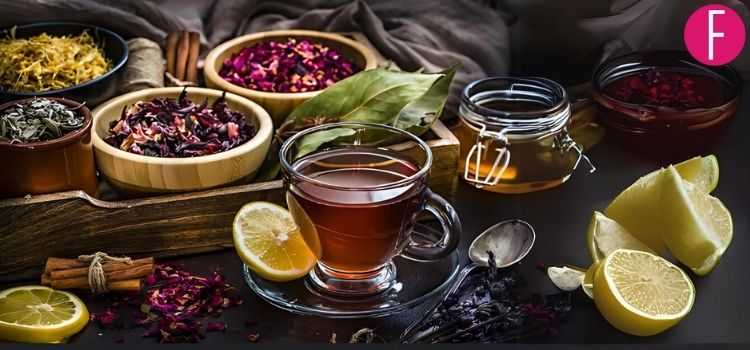
In this article, Sujata explores the benefits of three popular herbal teas—licorice, ginger, and mint—each offering unique advantages and a glimpse into South Asian heritage.
Liquorice Tea (Mulethi) to soothe sore a sore throat or aid digestion
Liquorice tea, or mulethi chai, is a staple in many South Asian homes, revered not just for its distinctive sweet taste but also for its medicinal qualities. Sujata notes that licorice is particularly favored during cold seasons due to its ability to soothe sore throats and ease digestion. Traditionally recommended by mothers and grandmothers, this tea is a natural remedy for respiratory ailments and digestive discomfort.
The anti-inflammatory properties of licorice, backed by scientific research, enhance its value beyond mere tradition. However, Sujata advises caution for individuals with high blood pressure, as excessive consumption of licorice can elevate blood pressure levels. Pregnant women and those with kidney issues should also be mindful of their intake. Making licorice tea at home is a simple process—just steep dried licorice root in hot water for a few minutes, and enjoy a comforting, healing cup.
Ginger Tea (Adrak Chai) for anti inflammatory and anti oxidant properties
Perhaps one of the most iconic herbal teas in South Asian culture, ginger tea, or adrak chai, holds a special place in daily routines. Sujata highlights that ginger tea is a versatile remedy, often brewed to warm up on cold days, soothe sore throats, or ease digestion. The sharp flavor of ginger tea comes from gingerol, a compound known for its anti-inflammatory and antioxidant effects.
In South Asian households, ginger tea is commonly consumed in the morning or after meals to reduce nausea and aid digestion. Sujata suggests that while ginger tea is a powerful and beneficial remedy, those on blood-thinning medications or suffering from gallstones should consult their doctors before making it a regular part of their routine. Preparing ginger tea at home is easy—simply steep fresh ginger slices in boiling water, and for an added touch, honey or lemon can be mixed in.
Mint Tea (Pudina Chai) for a post-dinner aid to digestion
Mint tea, or pudina chai, is another herbal favorite in South Asia, renowned for its refreshing and cooling properties. After a meal, a cup of mint tea not only aids digestion but also freshens the palate, making it a popular post-dinner ritual. Sujata shares that in many South Asian homes, mint is often grown in the garden, providing a fresh and abundant supply of this fragrant herb.
Mint tea’s benefits are widely appreciated, but Sujata notes that individuals with gastroesophageal reflux disease (GERD) should be cautious, as mint can exacerbate their symptoms. The preparation of mint tea is as straightforward as it gets—just steep fresh or dried mint leaves in hot water, and the result is a soothing and refreshing beverage that invigorates the senses.
These herbal infusions remain cherished whether to be soothing a sore throat, aiding digestion, or providing a refreshing break. By preserving these simple yet powerful traditions, future generations can enjoy the timeless benefits of South Asian herbal teas.
Disclaimer: This is general public information. Do not substitute any medical or dietary advice from your health care professionals.
Sujata Din is a Certified Holistic Health Coach based in Singapore. Sujata assists clients all over the world through individual face-to-face consultations, as well as consultations over Skype, telephone, and email. She equips clients with tools, information, and strategies that lead them to better health, higher energy levels, and, ultimately, a happier disposition. On top of individual consultations, Sujata conducts workshops on nutrition, cooking demonstrations, and pantry overhauls.
You can find out more about Sujata Din’s wellness advice on her website & her Instagram feed.

