

A massive 7.7-magnitude earthquake struck Myanmar and Thailand, causing widespread destruction. Here are the latest updates.
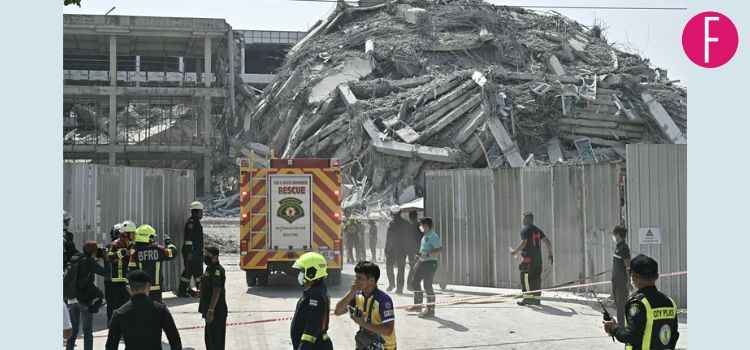
A massive 7.7-magnitude earthquake struck central Myanmar on March 28, 2025, at approximately 12:50 PM local time, leaving a trail of devastation. The earthquake’s epicenter was located near Mandalay, Myanmar’s second-largest city, causing buildings, bridges, and historic sites to collapse. The tremors were felt as far as Bangkok, Thailand, where a high-rise under construction crumbled, resulting in multiple casualties.
Casualties and Damage
Myanmar has reported at least 144 deaths and over 700 injuries, with officials warning that the numbers may rise as rescue operations continue. Many structures, including religious sites in Bagan and Mandalay, suffered severe damage. A dam breach in the affected region has further complicated the crisis, posing risks of flooding.
In Thailand, the earthquake led to the collapse of a high-rise building in Bangkok, killing at least ten people and trapping many others. Emergency teams are working tirelessly to rescue those still buried under the debris. The tremors also caused panic across major cities, leading to evacuations and temporary shutdowns of high-rise offices.
Humanitarian Response and Relief Efforts
Myanmar’s government has declared a state of emergency in six regions and has reached out for international assistance. The United Nations has responded by allocating $5 million in initial relief funds to support rescue operations, medical aid, and food supplies.
Relief efforts in Myanmar face significant challenges due to damaged infrastructure and the country’s ongoing political and economic instability. International organizations and aid agencies are working to ensure that assistance reaches those in need, though logistical difficulties and bureaucratic hurdles may slow the response.
In Thailand, the government has mobilized emergency services to assess the damage and assist victims. Hospitals are treating injured individuals, and temporary shelters have been set up for those displaced by the disaster.
Global Reactions and Support
Countries around the world have expressed solidarity with Myanmar and Thailand. The United States has pledged humanitarian assistance, with former President Donald Trump confirming that aid efforts are underway. However, recent cuts to U.S. foreign aid programs have raised concerns about how effectively assistance will be delivered.
Meanwhile, international humanitarian organizations are coordinating with local governments to provide immediate relief and long-term recovery support. The focus remains on ensuring that aid reaches affected communities swiftly and efficiently.
Challenges and the Road to Recovery
As aftershocks continue to shake the region, Myanmar and Thailand face a long and difficult recovery process. Myanmar’s already fragile infrastructure has been further weakened, making rebuilding efforts particularly challenging. In Thailand, authorities are focused on search-and-rescue operations while assessing the long-term impact on the country’s urban centers.
With global support, both nations hope to overcome the immediate crisis and rebuild in the aftermath of this devastating earthquake. However, ensuring a coordinated and effective response remains critical in mitigating the disaster’s long-term consequences.
Sources: Al Jazeera, NDTV, AP News, BBC, CNN, Guardian


Thailand is a developed country may not find difficult to mitigate crisis.