

What Is It Like Living in Trump’s 29% Tariff World? US President Donald Trump’s decision to impose a 29% tariff on Pakistani imports has sparked concern among Pakistanis, as the move is set to disrupt the country’s economy. The decision, driven by the need for fairer trade policies, will affect key industries such as textiles, surgical instruments, leather goods, and sports equipment, which are major contributors to Pakistan’s export revenues. As these goods become more expensive for American buyers, exports are expected to decline, which could lead to serious economic consequences for Pakistani citizens.
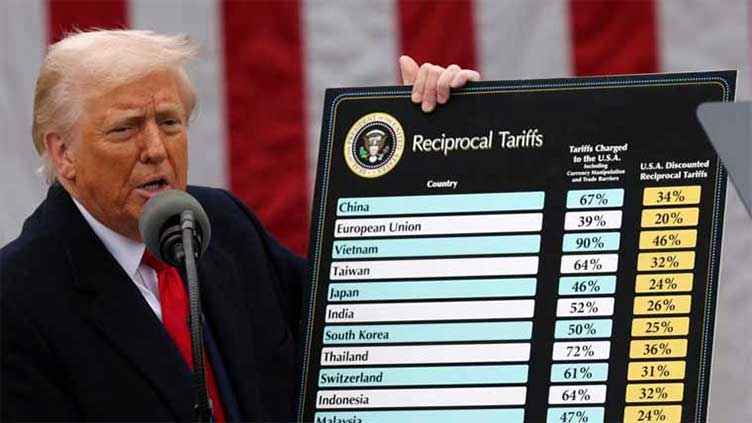
Looks like US President Donald Trump has decided to escalate trade war by announcing 10% baseline tariffs on all imports, higher duties on key trading partners of the US and a whopping 29% tariff on Pakistan. For those wondering, Tariffs are taxes imposed by one country on goods imported from another country. Trump’s decision to implement 10% tariff on most goods to the US has led to intensified global trade war that threatens to affect the economies in a negative way.
Textile Industry Faces the Biggest Hit
Pakistan’s textile sector, which accounts for more than 50% of exports will be hit the hardest. Homeware products like bed linens, towels, and ready-made garments will see price hikes, making them less competitive in the US market. Large manufacturers such as Gul Ahmed, Interloop, and Bonanza Satrangi will probably experience reduced orders.
This decline could lead to textile factory closures, mass layoffs of employees, and a rise in unemployment for millions of workers in the textile industry. For many Pakistani citizens, these layoffs would mean not only the loss of income but also a reduced quality of life.
Surgical Instruments and Sports Goods in Trouble
The surgical instruments industry in Sialkot which is a key global supplier will also face higher costs, resulting in lower orders from the US. Major players like Surgical Instruments (Pvt) Ltd and Nasco Surgical may lose business to countries offering lower tariffs, impacting jobs and loss of skilled workers.
Pakistan’s sports goods industry which produces footballs and cricket gears will definitely suffer due to competitors based in China and India. This means that thousands of workers that are employed by Sialkot’s factories are at risk of losing their jobs leading to financial insecurities for already struggling families.
Leather, Agriculture, and Snack Exports Also Impacted
Pakistani leather goods manufacturers including brands like Servis Shoes and Bata will be unable to compete with lower-cost alternatives from countries such as India, Bangladesh and China, likely leading to a decline in sales. Similarly, the agriculture sector which includes rice, and world famous Pakistani mangoes, and other fruits, will see lower demand in the US further reducing the incomes of Pakistani farmers.
The snack industry, represented by brands like Hilal, Kolson and Kurkure, will also feel the impact, as higher prices make their products less attractive to US-based consumers. As a result, Pakistani citizens across various sectors will experience a direct impact on their livelihoods.
The economic fallout from these tariffs will go beyond the export sector. A decline in exports means that Pakistan’s trade balance will worsen, leading to lower foreign currency inflows and potential depreciation of the Pakistani rupee. As the rupee weakens, everyday items like food, gas, water and electricity could become more expensive that will lead to a higher cost of living for ordinary Pakistani citizens.
Moreover, with unemployment rates rising and job security weakening in Pakistan, many families will struggle to meet their basic life needs. Pakistan’s already vulnerable population, including those living below the poverty line will likely feel the worst impact of these changes. If the tariffs lead to prolonged economic stagnation, there is a real risk that Pakistan’s economy could slip further, leaving citizens to bear the brunt of unemployment, inflation, social unrest and higher crime rates.
How Pakistan will counter this challenge?
The Pakistani government now faces some very challenging times especially from the US. First the travel ban and now rising tariffs With tariffs set to increase costs on essential goods and reduce export revenues, the government must quickly make strategies for trade diversification and economic stabilization. Negotiations with the US for tariff relief could offer some hope, but long-term solutions will depend on Pakistan’s ability to strengthen trade relations with other countries especially the neighbouring countries
For Pakistani citizens, the immediate effects of the tariffs could mean increased unemployment in the country, rising prices of essential goods, and worsening economic hardship. Unless the government takes swift action to address these problems, the 29% tariff could lead to long-lasting economic problems for millions of Pakistanis.
Sources: Arab News, Reuters

