

If you’ve been scrolling through social media lately, you might feel like you’ve stepped into a Studio Ghibli film. From dreamy landscapes bathed in golden light to cozy townscapes with that signature hand-drawn warmth, AI-generated Ghibli-style images have taken over the internet. This surge in nostalgic, painterly visuals comes courtesy of OpenAI’s latest update to ChatGPT’s image-generation tool, which has made it easier than ever for users to create artwork that closely mimics the beloved animation studio’s aesthetic. But while many fans are enchanted by this digital homage, the rapid rise of AI-generated Ghibli art has also reignited debates about artistic integrity, copyright, and the future of human creativity.
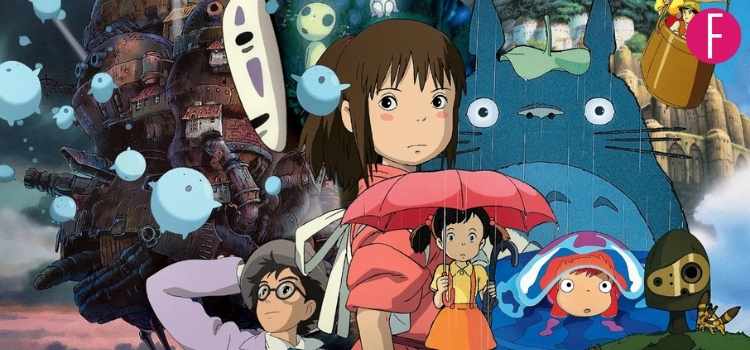
For decades, Studio Ghibli has set the gold standard for hand-drawn animation, enchanting audiences with films like Spirited Away and My Neighbor Totoro. The studio’s signature aesthetic—lush landscapes, expressive characters, and a painstakingly detailed, human touch—has now been replicated by AI. Thanks to advancements in artificial intelligence, users can generate Ghibli-style artwork in seconds, raising an urgent question: Is this a step forward for artistic accessibility, or an ethical disaster that undermines creativity?
The Case for AI-Generated Ghibli Art
Supporters of AI-generated Studio Ghibli-style images argue that this technology democratizes artistic expression. Not everyone has the skill, training, or time to master hand-drawn animation, but AI allows anyone to create visually stunning artwork with ease. A simple prompt can transform an everyday photograph into a Ghibli-esque masterpiece, offering fans a new way to engage with an art style they love.
Some argue that this is no different from the way human artists learn—by studying and replicating the works of their predecessors. AI does not steal Ghibli art frame by frame; instead, it analyzes patterns and generates new images that are inspired by, but not direct copies of, the studio’s style. OpenAI, the company behind one of these AI tools, has even introduced ethical restrictions, preventing users from generating images in the exact style of living artists. While this does not entirely eliminate concerns, it suggests an attempt to balance artistic freedom with responsible AI use.
There is also the argument that art has always evolved alongside technology. The arrival of digital animation once sparked similar debates about whether it would devalue traditional hand-drawn work. However, instead of replacing traditional techniques, digital tools simply expanded artistic possibilities. AI could do the same—allowing artists to streamline repetitive tasks while focusing on creative decision-making. Some animators even see AI as a potential tool to speed up production while preserving human artistic intent.
For fans, AI-generated Ghibli art is an act of celebration, not theft. Many see it as a new form of fan art, similar to the thousands of paintings, digital drawings, and cosplay tributes inspired by Ghibli’s films. These AI-generated images are not meant to replace the studio’s original works, but rather to pay homage to them. In an era where fandoms thrive on participation, AI offers an innovative way for people to engage with their favorite artistic styles.
The Case Against AI-Generated Ghibli Art
Despite these arguments, critics see AI-generated Ghibli art as a direct violation of intellectual property rights. AI models are often trained on copyrighted images without the permission or compensation of the original artists. Unlike traditional fan art—which requires individual effort and creativity—AI can mass-produce images that look nearly indistinguishable from authentic Ghibli works. This raises concerns that AI is not just imitating Ghibli’s style, but actively profiting from it without giving credit where it’s due.
Hayao Miyazaki, the legendary co-founder of Studio Ghibli, has been vocal about his disdain for AI-generated art. In a past interview, he called AI animation “utterly disgusting,” arguing that it removes the human soul from the creative process. For Miyazaki, the beauty of Ghibli’s work lies in the imperfections of hand-drawn animation—the slight variations in lines, the expressive movement of characters, the emotional weight of each frame. AI, no matter how advanced, cannot replicate the deeply personal touch that human artists bring to their work.
There is also a larger fear that AI-generated art could replace human artists altogether. If companies can generate high-quality images in seconds using AI, why would they continue hiring artists who require time and resources? This concern extends beyond animation—illustrators, designers, and concept artists are all at risk of being displaced by technology that can replicate their work at a fraction of the cost. The devaluation of artistic labor is a growing issue, and AI-generated Ghibli art is just one example of how automation is creeping into the creative industry.
Beyond the economic risks, the ethical implications of AI-generated art cannot be ignored. Just because AI can replicate a beloved artistic style does not mean it should. At what point does inspiration become exploitation? If a machine can create an image that looks like a Ghibli film without any human input, is it still art? These are the difficult questions that artists, tech developers, and fans must grapple with as AI continues to advance.
One of the most striking ironies of AI-generated Ghibli-style art is its environmental impact. Many of Studio Ghibli’s most beloved films—such as Princess Mononoke, Nausicaä of the Valley of the Wind, and My Neighbor Totoro—are deeply rooted in themes of environmentalism, portraying nature as something to be revered, protected, and lived in harmony with. Miyazaki himself has been outspoken about humanity’s reckless exploitation of the natural world, often using his films to critique industrialization and the destruction of ecosystems. Yet, generative AI, the very technology now being used to replicate Ghibli’s aesthetic, is known for its immense energy consumption.
Training and running AI models require vast computational power, often relying on data centers that consume significant amounts of electricity. A single large AI model can have a carbon footprint equivalent to multiple years of an average person’s energy consumption. This contradicts the ethos of Ghibli films, where the preservation of nature is a moral imperative. The irony is not lost on critics who argue that using such an energy-intensive technology to imitate the organic, hand-drawn beauty of Ghibli’s art is antithetical to the studio’s values. If anything, it highlights the growing tension between technological advancement and environmental sustainability—a dilemma that Ghibli’s films have long warned against.
Storyboard artist Jonathan Lam, who works in video games and animation, has spoken out about the issue of AI-generated art, arguing that artistic style is not just a technique but a deeply personal form of identity. In an interview with The New York Times in 2022, he pointed out that many people dismiss concerns about AI replication by claiming that a style cannot be copyrighted. However, for artists, their unique style is what differentiates them in the industry and makes them valuable to clients. When AI tools like Lensa replicate these styles without credit or consent, it strips artists of their individuality and professional leverage.
This concern extends beyond visual artists. In 2024, more than 10,000 creatives—including Nobel Prize-winning author Kazuo Ishiguro, actress Julianne Moore, and Radiohead’s Thom Yorke—signed an open letter condemning the use of copyrighted creative works to train AI models without permission. Their protest reflects a growing frustration among artists, writers, and musicians who feel their work is being exploited without compensation. The debate has also reached the legal sphere, with The New York Times suing OpenAI and Microsoft for allegedly using its published content without authorization to train AI systems. While the companies have denied these claims, the lawsuit highlights the larger ethical and legal battle over AI’s role in the creative industry.
This debate is still in its early stages, and we are navigating uncharted territory. AI-generated art is evolving at an unprecedented pace, raising questions that don’t yet have clear answers. Will it devalue human artistry, or will it make hand-crafted work even more special, driving demand for truly original pieces? Some argue that in a world saturated with AI-generated images, human-made art could become rarer and more prestigious—ensuring that only the most skilled and distinctive artists thrive. Others fear that automation could strip artists of opportunities altogether. The reality is, we don’t know yet. What is certain, however, is that creators, tech companies, and legal systems must adapt quickly to ensure that innovation does not come at the cost of artistic integrity. Whether AI becomes a tool for empowerment or exploitation depends on how we choose to wield it.
Which side are you on?

