

Deadly floods swept through Babusar and Saidpur this week, stranding tourists, claiming lives, and exposing once again how unprepared our terrain, and our systems, are for climate disasters.
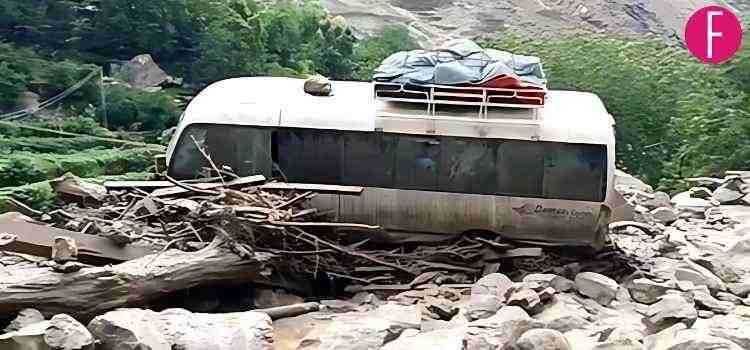
As the monsoon rains return with full force, they’ve brought not just water but warning. From the mountains of Gilgit-Baltistan to the streets of Islamabad, this past week has made one thing brutally clear: Pakistan remains dangerously unprepared for climate extremes. Infrastructure crumbles, emergency response lags, and nature does what it does — often with devastating consequences. What’s left in the aftermath is a patchwork of community solidarity, stranded tourists, and heartbreaking videos reminding us that the cost of these disasters is always human.
Babusar Top Washed Out
On Thursday, footage from Babusar Pass in Gilgit-Baltistan began surfacing online, showing vehicles being swept away by powerful flood currents. Multiple families were reportedly caught in the sudden deluge, including tourists visiting from Punjab. One woman’s plea for help, “We are stuck, please help us,” circulated widely as social media mobilized to amplify SOS calls. According to rescue reports, at least three people have died and five others remain missing in the area so far, as the region reels from the latest climate-fueled disaster.
Blocked roads, eroded pathways, and recurring landslides have made evacuation and search operations more difficult. However, locals and hotel owners in the Naran and Babusar region have stepped up, offering food and shelter to the stranded – a recurring show of community resilience that’s become essential in the face of increasingly frequent emergencies. As tourists remain stuck in the northern areas, this moment once again highlights both the region’s vulnerability to extreme weather and the strength of its people in times of crisis.
Islamabad Hit by Urban Flooding: Saidpur Village Bears the Brunt
Closer to home, Islamabad saw its own flood horror as a stream overflowed into Saidpur Village, dragging multiple parked cars through the streets. Videos showed shocking scenes of furniture, belongings, and even motorbikes swept away in murky water. A sudden rush of water from the Margalla Hills collided with poor drainage and rampant construction along natural water channels, leading to disaster in a matter of minutes.
The Capital Development Authority (CDA) has faced public criticism for failing to implement stricter controls against encroachments on nullahs and water routes. Many of the homes and restaurants built along these waterways were visibly vulnerable, and experts say the writing had long been on the wall. Residents have pointed to blocked drains, inadequate pre-monsoon cleanup, and unregulated construction as key contributors to the damage.
Recurring Disaster or Wake-Up Call?
Every year, Pakistan’s monsoon season brings devastation – but the scale of this week’s floods, coupled with the helplessness of tourists and residents alike, signals deeper systemic issues. Climate change has amplified the frequency and intensity of rainfall, while human-made problems like poor urban planning, construction on waterways, and deforestation continue to magnify the impact.
Emergency aid, like rescue teams, medical help, and community support, remains crucial -but unless the country begins addressing root causes like environmental mismanagement and infrastructure neglect, these tragedies will only repeat. Whether it’s a tourist family crying for help in Babusar or a restaurant owner watching their life’s work washed away in Islamabad, the cost of inaction is increasingly personal – and unbearably high.
Sources: Dawn, Aaj News, The News, Arab News

