

Samar Jafri and Meesam Naqvi from Parwarish are in the house today, and we know you’ve been waiting for this!
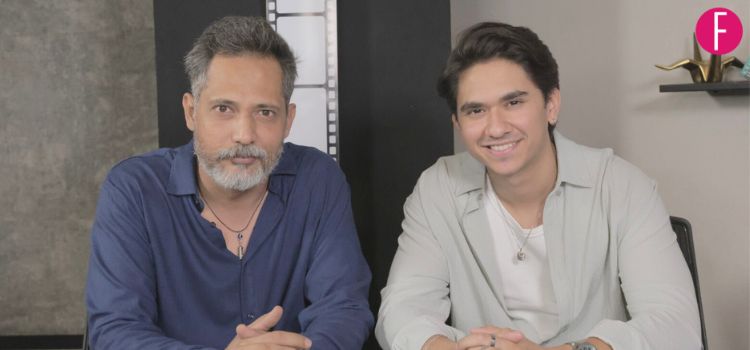
Parwarish has been in the spotlight for quite some time now, and rightfully so. While the writing and the actors’ powerful performances continue to receive praise, the script (brought to us by Kiran Siddiqui) and execution deserves just as much recognition. For that, full credit goes to Meesam Naqvi. Joining him is Samar Jafri, the actor who’s brought Wali’s journey to life with rare nuance and depth. Their chemistry as a team isn’t new, they previously worked together on Mayi Ri, which also turned into a massive hit.
We sat down with them for an honest, insightful conversation about what goes into creating a drama like Parwarish, how Wali’s character came to be, and what it really takes to bring stories like these to the screen.
Scroll on to dive into the full interview, it’s one you don’t want to miss.
How Parwarish Came To Meesam Naqvi
The basic idea of Parwarish was from Fahad bhai.
Meesam Naqvi
Meesam Naqvi shared that the initial concept of Parwarish originated with Fahad Mustafa, who had envisioned a story centered around a father returning from abroad and confronting the generational shift back home. This idea had been floating around the production house for quite some time. Following the success of Mayi Ri, which featured the breakout pairing of Samar Jafri and Aina Asif, the production house was eager to bring them back together on screen. While there was some discussion around creating a Mayi Ri 2, Meesam was clear that he didn’t want to repeat the same story. Instead, he saw an opportunity to explore something new, something that would resonate with Gen Z and reflect the complexities of modern upbringing. During a casual conversation at the channel, Parwarish came up. He decided to give the script a proper read, and that changed everything. The story clicked. He was drawn in and knew instantly: this was the project worth pursuing.
How Samar Jafri Transformed Into Wali Jahangir
“This forehead tells a lot about you, use this.” This is what I’ve learnt from Naumaan bhai.
Samar Jafri
To bring Wali Jahangir to life, Samar Jafri approached the character with a clear understanding of his emotional journey. In the early phase, Wali is portrayed as entitled and emotionally detached, someone who takes everything for granted, believing it’s simply his parents’ responsibility to provide. Samar captured this by keeping Wali’s expressions light and his demeanor casual, reflecting a boy who hadn’t yet faced real consequences. But as Wali’s journey progressed and life began to hit harder, Samar started layering in more emotional depth. Subtle facial shifts, restrained sorrow, and growing self-awareness became central to the performance. He brought in a sense of internal conflict, a boy beginning to realize the weight of his actions and the impact of his upbringing. One piece of advice that stayed with him came from Naumaan Ijaz: “This forehead tells a lot about you, use this.” Samar applied that insight thoughtfully, using even the tension in his brow to reflect Wali’s shifting emotional state. His nuanced use of his eyes and expressions became powerful tools to communicate both innocence and regret, making Wali’s transformation feel personal and believable.
The Real Message Behind Maya & Wali’s Relationship
The drama is not a love story, first of all. It’s about addressing the issues connected with Gen Z, with our children.
Meesam Naqvi
When Parwarish explored the relationship between Maya and Wali, it was never intended to be a conventional love story. Meesam Naqvi shared that the focus was on addressing real, often overlooked issues faced by today’s youth, particularly Gen Z. He emphasized that teenagers go through inevitable physical and emotional changes, and instead of treating these topics as taboos, the drama aimed to spark conversation and understanding. The team was aware that backlash might follow, and it did slightly. But the intent was never to glamorize young love; it was to present it with honesty and responsibility. Meesam believed that ignoring these realities only leads to more silence and confusion, especially in a society where such topics are often met with shame or punishment rather than dialogue. By portraying this dynamic with sensitivity, Parwarish hoped to open up much-needed space for reflection, both in homes and on screen.
Maya and Wali’s Relationship Through Samar’s Lens
I am part of this generation. I’m quite used to it.
Samar Jafri
Samar Jafri approached Maya and Wali’s relationship with the awareness and comfort of someone who belongs to Gen Z. For him, the gestures, conversations, and emotional intimacy shown between the two characters weren’t shocking or exaggerated, they reflected the reality of his generation. From his perspective, many young people today experience these emotions and moments. He also emphasized that while Maya and Wali are clearly shown to be emotionally connected, the portrayal remained within respectful bounds. There’s no overt physical intimacy, no hugging, or anything beyond subtle gestures. The goal was to reflect a bond rooted in care and respect, not sensationalism. Samar believed it was important to stay true to the emotional truth of the characters, while also being mindful of cultural sensitivities.
Want to hear more? Stay tuned for full conversation coming out soon on FUCHSIA’s YouTube channel!
Until then, go check out the “What’s on the Tray” challenge we did with them, we’re sure you’re going to enjoy this one!

