

Sahir Lodhi has been part of Pakistan’s entertainment landscape for decades. You’ve probably seen him somewhere – maybe on a morning show, maybe hosting a Ramzan transmission, maybe in a TV drama – but we’re not talking about his career here. This is about something else entirely. Something that’s been happening quietly but constantly, every time he posts on social media.
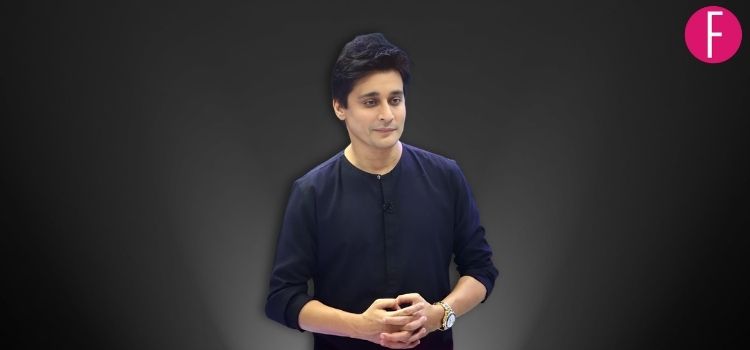
Sahir Lodhi is a multifaceted media personality – actor, TV and radio host, talk-show anchor, even filmmaker. He kicked off with the morning show “Chai Time” on Indus TV and later hosted shows likeThe Sahir Lodhi Show, Morning Masala, Aap Ka Sahir, and more. He’s also known for drama roles in Bechrain Gay Abb Kaisay, Bikharnay Say Pehlay, Adhoray Khwab, and made his film debut (as actor-director) in Raasta (2017), which unfortunately flopped. He has long been a target of trolling, with many critics claiming his style – from his expressions to his delivery – bears a striking resemblance to Shah Rukh Khan, and accusing him of mimicking the Bollywood star.
Over the years, he’s built a reputation for being passionate, expressive, and yes, sometimes over the top. But in recent months, he’s shifted focus to something more personal – his social media presence. He’s been posting short reels of his gym sessions, sharing his favorite foods, talking about life lessons, sprinkling in his personal philosophies, and generally opening a window into his everyday life. It’s lighthearted content. It doesn’t harm anyone. But if you’ve dared to peek at the comment sections under those videos, you’d think he was doing something unforgivable.
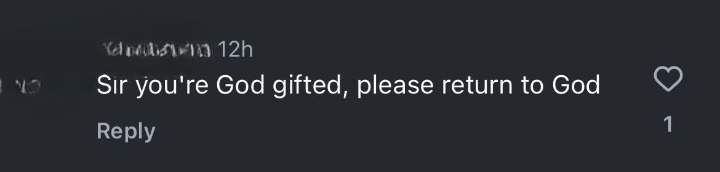
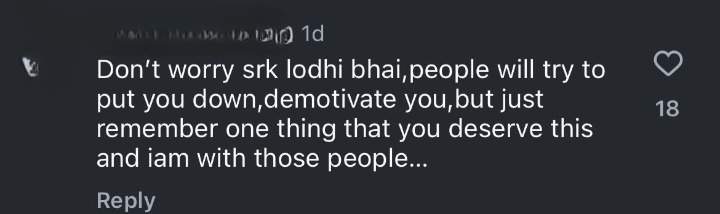
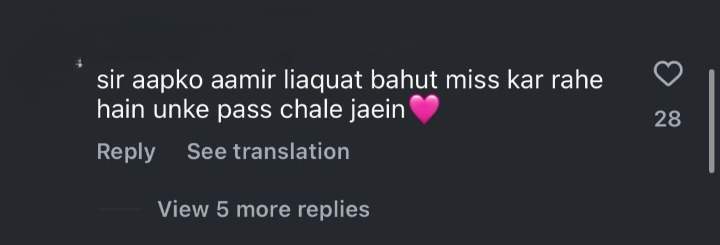
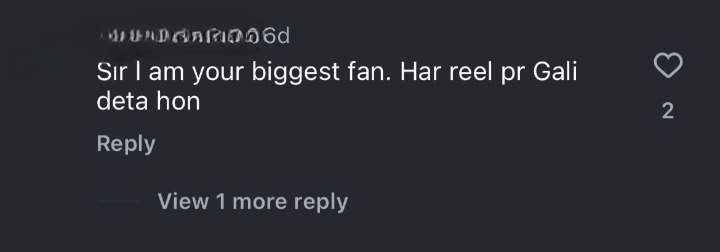
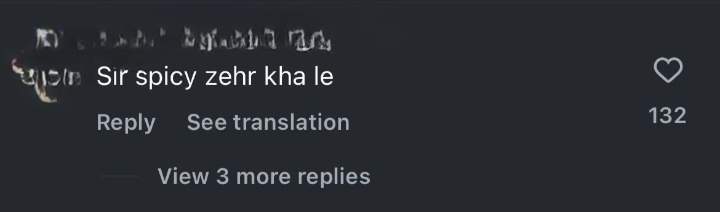
When “Just A Joke” Stops Being Funny
The trolling is relentless. People mock the way he talks, the way he looks, even the fact that he’s sharing at all. Many go further, sending him direct messages telling him to end his life. Somewhere along the way, we’ve convinced ourselves that this is entertainment. That piling on someone is just a bit of fun. But what we forget is that on the other end of those words is a real human being, and the damage we inflict doesn’t vanish just because we typed it into a phone.
This isn’t “light teasing” or “just having fun.” It’s sustained trolling. And whether we want to admit it or not, sustained trolling has consequences – severe ones.
The Numbers We Can’t Keep Ignoring
The World Health Organization and multiple global studies show that cyberbullying and sustained trolling – whether online or face-to-face – are strongly linked to poor mental health. Victims of such harassment are about 2.7 times more likely to develop depression compared to those who aren’t targeted, and research finds cyberbullying is associated with 15%–50% higher odds of experiencing depressive symptoms. In Pakistan, conservative estimates suggest that 10–20% of the population is living with depression at any given time, but experts believe the true number is far higher due to stigma and underreporting. Among young adults under 25, the mental health impact of cyberbullying is even more pronounced, with the risk of depression and anxiety more than doubling in some studies. And it’s not just young people – adults, including public figures, are just as vulnerable to the psychological strain of constant public ridicule.
For content creators, the reality is grim: 95% say they’ve faced online harassment, and 36% endure it regularly. The mental toll includes anxiety, depression, low self-esteem, and in many cases, withdrawal from social spaces – both online and offline.
What is even more troubling is that the same people who write hateful comments under a post and troll someone they barely know, are also the same ones who often seem to like or follow platforms or posts that criticize cyberbullying, online trolling and hate comments. Is it okay to do it to one person and not the other? Or is it not bullying anymore when the comment is taken as witty or clever by the person who thinks it’s funny when THEY write it?
The Cycle We Pretend We’re Not Part Of
We’ve seen the cycle too many times. Someone becomes the internet’s latest punchline. Jokes, memes, and cruel comments pile up for days, weeks, sometimes months. The person retreats, tries to stay quiet, or struggles in silence. And then one day, the news breaks that they’ve taken their own life. Suddenly, the same timelines that mocked them are flooded with messages of sorrow: “Such a nice person,” “He shouldn’t have to deal with this.” ” What are we as a nation???” “He never meant anyone any harm.” ” He was always so kind and courteous.” We build the fire, we feed it, and then we cry over the ashes. The hypocrisy is staggering.
We rarely connect the dots between the cruelty we participate in and the tragedies we mourn. We tell ourselves one comment can’t make a difference – but multiplied by hundreds or thousands, it becomes a constant reminder to the target that they are unwanted and unwelcome. The impact isn’t just “hurt feelings.” Public shaming can trigger chronic stress, erode sleep and focus, and deepen into depression – that hollow, heavy state where even basic tasks feel impossible.
Why Do We Only Speak Up When It’s Too Late?
This has sadly become our mantra: we don’t stand by people when they’re alive and struggling – we wait until tragedy strikes, and then we mourn them loudly. After model and actress Humaira Asghar’s death, tributes poured in from within the same entertainment fraternity, with some claiming she had been struggling and sidelined. But those same voices were silent while she was alive. They didn’t speak up when it could have mattered. We seem to need something terrible to happen before we find the courage to care.
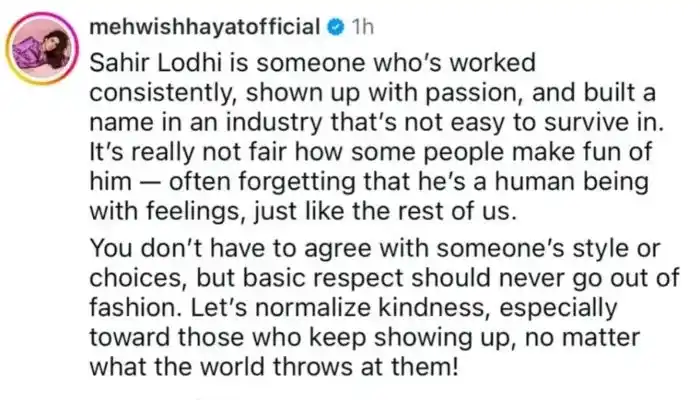
Right now, Sahir Lodhi is facing relentless trolling that everyone is witness to online. Yet, from the entire industry, only Mehwish Hayat has publicly stepped in to defend him. She called out toxicity and reminded people that “respect should never go out of fashion”. But beyond her, the silence has been deafening. Colleagues, fellow hosts, and co-stars who could have shown solidarity have stayed on the sidelines. And this isn’t just about Sahir. It’s about every person who’s publicly ridiculed while those who could speak up choose to remain quiet. That silence sends the message that the bullying is acceptable, and that the target’s dignity is optional.
Harmless Content, Harsh Attacks
What makes it worse is when the content in question is harmless. People like Sahir aren’t spreading hate, misinformation, or divisive rhetoric. They’re not targeting or hurting anyone. They’re just sharing their routine and thoughts, hoping to connect with people. And yet, the more harmless the content, the more vicious the attacks seem to be – as though people think, “Well, if there’s no real reason to criticize, let’s just invent one.” Psychologists call it deindividuation – when the anonymity of the internet makes people forget that the person they’re targeting is an actual human being with feelings, family, and a mental health load they can’t see.
It’s worth asking ourselves why we do it. Sometimes it’s boredom. Sometimes it’s the desire to feel clever in front of others. Sometimes it’s just going along with the crowd. But the effect on the person being targeted doesn’t change. We tell ourselves it’s “just a joke” or “harmless fun,” but the truth is that our words can linger in someone’s mind long after we’ve forgotten typing them. They can follow that person into their most private moments, gnawing away at their self-esteem until the damage becomes visible in ways we can’t undo.
Sahir Lodhi’s reels may not be everyone’s cup of tea, and that’s perfectly fine. Social media gives us the easiest solution in the world – if you don’t like someone’s content, you can scroll past, unfollow, or block them. But instead, too many people choose to stay, only to mock, insult, or even wish death upon the very person they claim to dislike. What does that say about us? What need are we trying to satisfy by tearing someone down for simply existing online? It has, sadly, become a kind of national pastime – sitting behind screens, passing judgment, and condemning people for their style, their tone, or simply for daring to be visible. And it’s not harmless. This constant ridicule feeds directly into the mental health crisis we’re living through – one that affects millions and claims hundreds of thousands of lives every year. Before you leave that sarcastic comment or share that cruel meme, imagine waking up tomorrow to see a headline that the person you trolled is under immense mental pressure or psychological strain, thanks to the perpetual online verbal onslaught. Would you still think your words were worth the laugh? Or would you join the same crowd rushing to post the hollow lines we’ve all seen before: “Such a nice person. He never hurt anyone.”
Pause a moment and ask yourself why you’re doing it. Is it the urge to get noticed, say something clever, get the likes or the engagement, whichever comes first? Who’s more desperate to stay relevant, the one who posts or the one who comments under that post, with words that are purported to gain traction, a response and/or engagement? If it’s negative who cares, it’s attention and perhaps, that’s what we crave?


Comments 1