

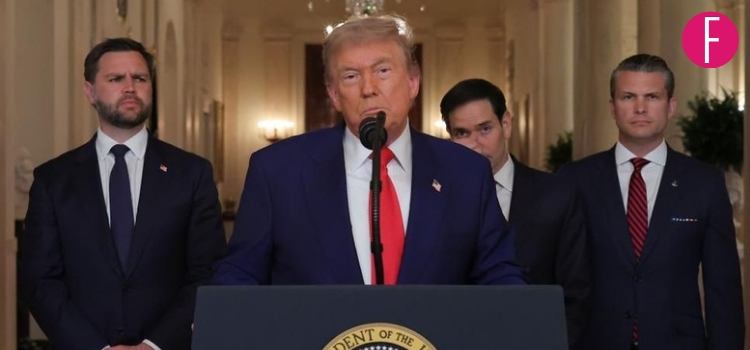
US President Donald Trump has announced a 20-point plan to end the war in Gaza, flanked by Israeli Prime Minister Benjamin Netanyahu. The proposal is being positioned as a path to ceasefire, hostage release, and Gaza’s reconstruction, but immediate differences have already emerged over who controls Gaza’s future and how security will be managed.
The Deal at a Glance
Trump outlined a framework that covers military, political, humanitarian, and reconstruction issues:
- Ceasefire within 72 hours if both sides accept.
- Hostage exchange: Hamas to release all hostages, while Israel releases more than 1,900 Palestinian prisoners, including minors and women.
- Demilitarisation of Gaza: Hamas and other armed groups must dismantle tunnels, weapons factories, and give up military control.
- Governance: A transitional “technocratic” Palestinian administration, chosen by an international body called the “Board of Peace,” with Trump himself at the helm.
- Security: A multinational stabilization force would secure Gaza, coordinate with Israel and Egypt, and train vetted Palestinian police.
- Israeli withdrawal: Staged withdrawals linked to Hamas’ disarmament, while Israel keeps a security perimeter for the “foreseeable future.”
- Reconstruction and aid: Full humanitarian access, rebuilding of Gaza’s basic infrastructure, and promises of economic support.
- Future outlook: A potential pathway toward Palestinian statehood—conditional on reforms and security guarantees.
International and Regional Response
The plan has been welcomed in a joint statement by Jordan, UAE, Indonesia, Pakistan, Türkiye, Saudi Arabia, Qatar, and Egypt, who praised Trump’s initiative and pledged to engage constructively. They highlighted commitments such as humanitarian aid, rebuilding Gaza, ensuring no forced displacement, and working toward a two-state solution.European partners have cautiously endorsed the plan, while Qatar expressed “optimism” about mediation efforts.
Israel’s Stance
Prime Minister Netanyahu formally backed Trump’s proposal, calling it consistent with Israel’s war aims. However, he emphasized Israel would not give up control over Gaza’s security any time soon, insisting that Israel must maintain a protective perimeter and reserve the right to act militarily if Hamas resists disarmament.This stance partly clashes with Trump’s blueprint, which envisions international security arrangements and, eventually, governance by the Palestinian Authority if it undergoes reforms.
Hamas’ Position
Hamas has not yet accepted the deal. Leaders have said they are reviewing it, but the terms—particularly demilitarisation, exclusion from governance, and heavy Israeli involvement—are widely viewed as demands for surrender. Other militant factions, such as Islamic Jihad, have already rejected the proposal outright.
Observers note that if Hamas refuses, Trump has effectively given Israel the green light to intensify military action. This puts additional pressure on Hamas, which has suffered massive casualties and infrastructure losses but continues to frame itself as resisting occupation.
What It Could Mean
For Gaza’s civilians, the deal offers a potential pause in fighting and a return of desperately needed aid. But its conditions also raise concerns: governance dictated by outsiders, continued Israeli oversight, and uncertain guarantees of Palestinian self-determination.
For Israel, it provides international backing for its core goals—neutralising Hamas and securing hostages—while keeping control over security. For Trump, it is being positioned as a breakthrough moment for his foreign policy, though analysts warn implementation faces major hurdles.
Sources: BBC, Al-Jazeera, Ministry of Foreign Affairs (MOFA), DW

