

Joining us today is none other than Sarwat Gilani, aka Gul Mehar from Biryani!
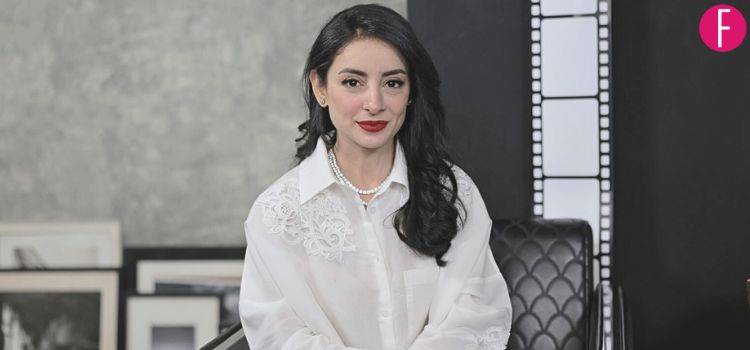
Sarwat is not just a talented actor and producer, she’s also a passionate storyteller whose work has touched hearts across film, television, and social platforms. She has entertained audiences in memorable roles in dramas like Dil-e-Muztar, Mata-e-Jaan Hai Tu, Khasara, Seeta Bagri, and more. Known for her versatility and authenticity, Sarwat brings a unique blend of creativity, insight, and empathy to everything she does. Beyond the screen, she is a thought leader unafraid to share perspectives that inspire, challenge, and spark meaningful conversations.
And today, she’s joined us for an insightful conversation that you won’t want to miss. Scroll down to get a peek into the conversation!
This article is an excerpt from the YouTube interview.
Sarwat On Playing Gul Mehar In Biryani
Talking about her character Gul Mehar, Sarwat Gilani shared how deeply the role has touched her. For her, Biryani is about representing stories that matter. She feels especially moved by the response from parents of children with special needs, who have thanked her for bringing such an underrepresented reality to screen. As an ambassador for the Special Olympics, Sarwat has spent over a decade working closely with differently-abled children, learning from their resilience, love, and innocence. That experience, she says, shaped how Gul Mehar relates to Haroon – with compassion, protectiveness, and unconditional care. Through this character, Sarwat hopes to spark empathy and awareness, showing that television can be more than entertainment – it can educate, uplift, and inspire real change.
On Gul Mehar and Miran’s Relationship
When it comes to Gul Mehar’s feelings for Miran, Sarwat Gilani believes there’s genuine love there – perhaps quietly tucked away beneath layers of restraint. But what defines Gul isn’t unrequited longing; it’s her emotional maturity and ability to accept Miran’s choices without imposing her own desires. Sarwat describes Gul as a complex and layered woman, someone who embodies strength, grace, and self-control. She admires how Gul’s beauty lies in what she doesn’t reveal – how her emotions simmer just beneath the surface. For Sarwat, the way writer Zafar Miraj and director Badar Mehmood shaped this nuanced dynamic makes the story’s conclusion both powerful and poetic – a rare payoff that truly honors the journey they set out to tell.
On Her Battle with Postpartum Depression
Sarwat Gilani opened up about experiencing postpartum depression after the birth of her third child. She shared that it came as a complete shock – having gone through two pregnancies without any emotional struggles, she couldn’t understand why she suddenly felt so low and detached. Sarwat described how postpartum depression can often go unnoticed, even by the person going through it. It was her husband, Fahad, who first gave her the vocabulary to understand what she was feeling, calling it the “postpartum blues.” Only later did she realize that the darkness and intrusive thoughts she experienced were symptoms of something much deeper – and far more dangerous.
Sarwat bravely recalled moments when she felt close to self-harm, emphasizing how subtly these thoughts can appear. She stressed that postpartum depression is not weakness – it’s a clinical condition that can affect anyone, no matter how strong they are. Her message to families was clear: if a new mother seems unusually low or withdrawn, help her seek professional support immediately. Sarwat credits therapy for saving her, calling it one of the best decisions of her life. It not only helped her heal from postpartum depression but also allowed her to confront deeper childhood and generational traumas – something she now advocates for openly, urging others to normalize seeking help and talking about mental health.
Want to hear more? Check out full conversation below!

