

If you’ve been scrolling social media lately, you’ve probably seen people talking about Ozempic, Wegovy and Mounjaro — the weight-loss injections that promise quick results. These jabs have gone viral for a reason: they can actually help people shed pounds faster than just dieting or exercising alone. But there’s a catch, and recent studies show it’s something everyone should know before jumping on the bandwagon.
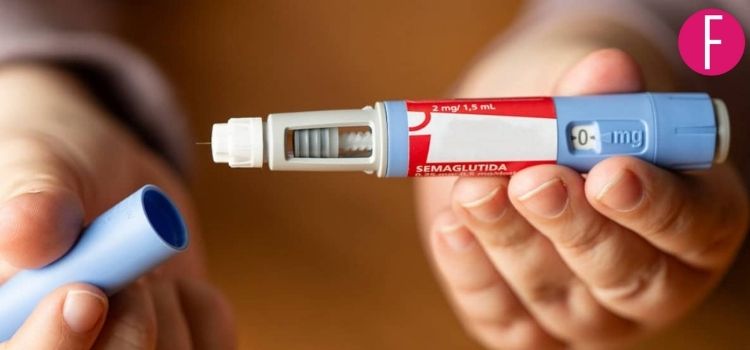
So why do people use them? These injections work by mimicking a natural hormone called GLP-1, which controls hunger. In short, they make you feel full, reduce cravings, and slow digestion. For someone who has struggled with their weight for years, that’s a big deal. Combine that with easy access through private clinics, celebrity endorsements, and social media hype, and it’s no wonder millions of adults are curious to try them.
The popularity is backed by numbers. Researchers estimate over 1.5 million adults in the UK have used these jabs in the past year, with even more interested in trying them. They’re especially popular among women and people in their 40s and 50s.
But here’s the part that doesn’t get as much attention: what happens when you stop taking them. A major review led by the University of Oxford looked at 37 studies with over 9,000 participants. The results? People on these injections lost more weight than those on traditional diets, but once they stopped, they regained it much faster — about four times faster than people who lost weight through diet and exercise. On average, participants returned to their starting weight in under two years. Even improvements in blood sugar, cholesterol, and blood pressure slipped back to where they were before treatment.
Why does this happen? Experts like Dr Adam Collins explain that your body adjusts to the drug. When it’s suddenly gone, appetite comes back full force, sometimes even stronger than before. If you haven’t built healthy eating habits and exercise routines alongside the injections, keeping the weight off becomes a real challenge.
So, are these jabs a quick fix? Not really. Specialists, including Professor Susan Jebb from Oxford, say obesity is a chronic condition — like high blood pressure or diabetes — which often requires ongoing treatment. Some people may need the injections for the long term, or at least combine them with lifestyle support, to make the results stick.
The takeaway: weight-loss jabs can be effective tools, especially for people with obesity-related health risks. But they’re not a replacement for healthy habits. The best approach? Use the injections as a helping hand to get started, build sustainable habits, and work with your doctor to stay on track even after the jabs are gone.
In short, they work, they’re popular, but don’t expect the scale to stay down on its own.
Sources: BBC, The Guardian, RTE

