

Iran is in the midst of nationwide protests that began in late December, sparked by economic hardship. Shopkeepers in Tehran’s bazaars initially protested after the Iranian rial plunged, causing prices for basic goods like cooking oil, chicken, and medicine to soar. The government’s decision to end a subsidised exchange rate for importers further worsened the situation, hitting businesses and consumers alike.
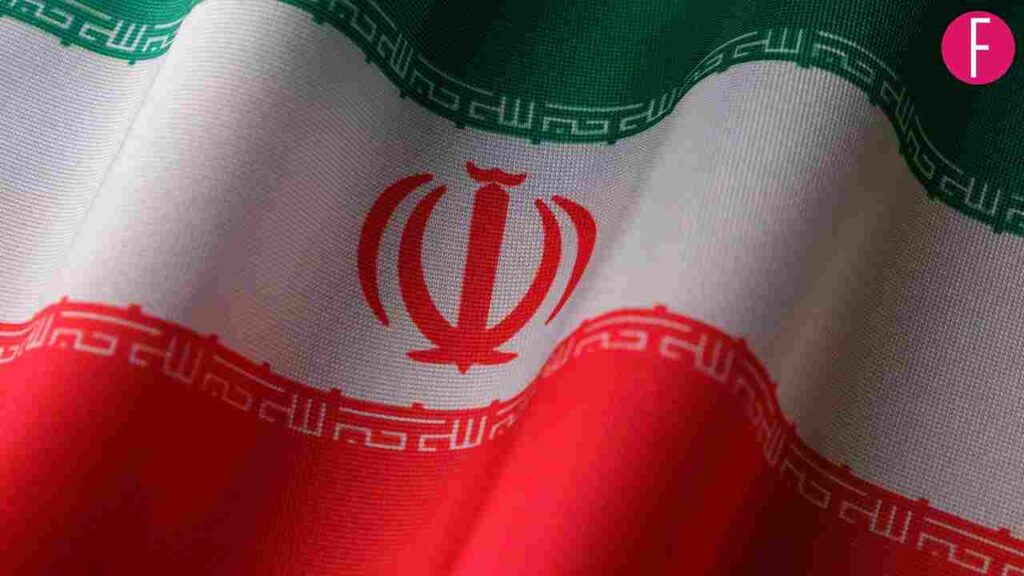
What started as economic protests quickly turned political. Demonstrators in Tehran, Mashhad, Isfahan, Tabriz, Abadan, and other cities have criticised Supreme Leader Ayatollah Ali Khamenei and called for political change. Some protesters have also expressed support for Reza Pahlavi, the exiled son of Iran’s last shah, and government symbols, including statues, have been toppled in certain areas.
Authorities have cracked down on the demonstrations. Rights groups report at least 45 protesters, including children, have been killed, hundreds more injured, and over 2,000 detained. Security forces have also faced casualties. To limit the spread of information, Iran enforced a nationwide internet blackout, blocking access to social media and communication tools during major protests.
President Masoud Pezeshkian has urged restraint from security forces, while Supreme Leader Khamenei has condemned “rioters” and warned they must be controlled. Internationally, the US has threatened action if protesters are harmed, and European officials have condemned the excessive use of force.
These demonstrations are the most widespread since the 2022 “Woman, Life, Freedom” protests, reflecting both economic frustration and growing political dissent across the country.
Sources: Al Jazeera, Guardian, CNN, Washington Post

