

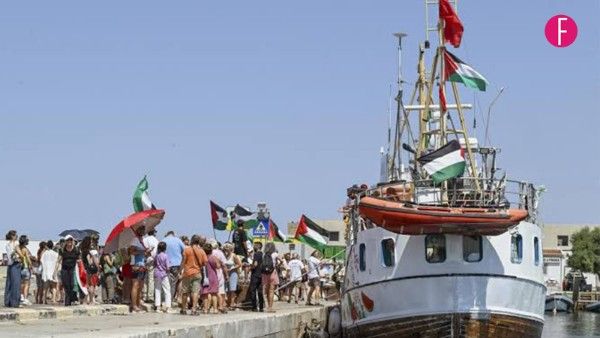
On April 12, 2026, the Spanish port city of Barcelona became the launch point for what is being described as the largest civilian maritime mobilization in nearly two decades. The Global Sumud Flotilla, named after the Arabic concept of steadfastness, has set sail with a bold and contentious objective: to challenge the long-standing naval blockade of Gaza and deliver humanitarian aid directly by sea.
An Unprecedented Civilian Mission
At full capacity, the flotilla is expected to consist of around 70 vessels, with 39 ships forming the initial departure from Spain. Onboard are approximately 3,000 participants representing nearly 100 countries, making this a truly global effort. What distinguishes this mission from earlier attempts is its scale and specialization—particularly the inclusion of a significant “medical fleet.” Around 1,000 doctors, nurses, and healthcare workers are part of the convoy, carrying surgical equipment, medicines, and supplies aimed at restoring Gaza’s severely damaged healthcare infrastructure.
The flotilla is being coordinated by the Freedom Flotilla Coalition, with support from major international NGOs such as Greenpeace and Open Arms. Together, they frame the mission not just as an aid delivery effort, but as a direct civilian intervention in a prolonged humanitarian crisis.
Ada Colau and the Politics of Civil Resistance
The political face of the flotilla is Ada Colau, who has emerged as a central figure in mobilizing support. Colau, who was previously detained and deported by Israeli forces during a similar 2025 attempt, returned to lead this year’s departure. Positioning the flotilla as a moral imperative, she has argued that when international institutions fail to enforce rulings—particularly those associated with bodies like the International Court of Justice—citizens must take action. Her involvement has elevated the flotilla from a humanitarian mission to a broader act of political resistance, drawing attention from activists, lawmakers, and global audiences alike.
A Staged Departure Amid Harsh Weather
Despite the symbolic launch, the flotilla’s journey is not yet in full motion. A severe Mediterranean weather system, known as a DANA (High-Altitude Isolated Depression), has forced organizers to adopt a “staged departure.” Rather than immediately entering international waters, vessels are currently navigating cautiously along the coast, waiting for safer conditions. This phased approach also allows time for additional ships from countries like Turkey, Italy, and Tunisia to join the convoy. The goal is to assemble a unified fleet before making the high-stakes journey toward Gaza.
Challenging the Blockade at Sea
At the heart of the mission is an ambitious objective: to establish a “people’s corridor”—a civilian-controlled maritime route that bypasses Israeli-regulated land crossings. Organizers argue that existing aid channels are insufficient and heavily restricted, contributing to worsening humanitarian conditions in Gaza, including widespread food insecurity. By asserting the right to free navigation in international waters, the flotilla seeks not only to deliver aid but also to challenge the legal and political framework underpinning the blockade itself.
Mounting Geopolitical Tensions
The flotilla’s voyage comes at a moment of heightened global tension. Over the same weekend, diplomatic efforts between the United States and Iran—taking place in Islamabad, Pakistan reached a stalemate, further destabilizing an already volatile region. Meanwhile, organizations like Amnesty International have warned that any military interception of the flotilla could trigger serious international backlash. Their concerns are rooted in recent precedent: during a similar mission in 2025, approximately 450 activists were detained by Israeli forces.With naval forces in the region on high alert and broader geopolitical stakes at play, the flotilla’s progress is being closely monitored worldwide.
What Happens Next
As of April 13, 2026, the Global Sumud Flotilla remains in its early stages, navigating weather disruptions and preparing for a coordinated advance into international waters. The coming days will be decisive—not just for the success of the mission, but for the broader questions it raises about humanitarian access, international law, and the power of civilian-led action in conflict zones. Whether the flotilla ultimately reaches Gaza or is intercepted along the way, it has already reignited a global conversation—one that sits at the intersection of aid, activism, and geopolitics.

