

After more than three decades on air, The Late Show has officially come to an end, closing one of the most recognizable chapters in American television. What started in 1993 as CBS’s answer to late-night competition under David Letterman eventually became a cultural staple, and later entered a new era when Stephen Colbert took over in 2015.
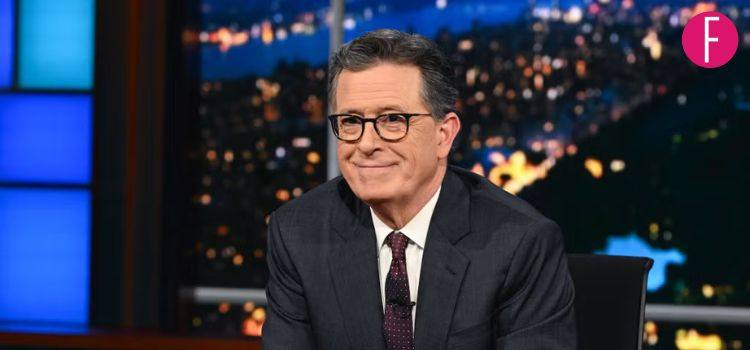
Across 33 years, the show built its identity around comedy, celebrity interviews, political satire, and musical performances, becoming part of everyday television culture for millions of viewers. For many, it wasn’t just a talk show, it was a nightly routine, something familiar to end the day with, whether it was Letterman’s dry humour or Colbert’s sharper, more politically charged monologues.
Why The Late Show mattered to audiences
Part of what made The Late Show so long-lasting was its ability to evolve without losing its core identity. Under Letterman, it carried a more traditional late-night feel, built on irony, awkward humour, and unpredictable interviews. When Colbert took over, the tone shifted but the heartbeat stayed the same.
His version of the show leaned more into current events and political satire, especially during a time when American politics became more central to entertainment culture. Over the years, the show managed to balance serious conversations with comedy, bringing in authors, actors, musicians, scientists, and public figures in a way that still felt relaxed and accessible.
The Ed Sullivan Theater itself also became part of the experience. The space carried decades of television history, and that sense of legacy often came through on screen, especially during big episodes, special guests, or milestone moments.
Why CBS decided to end it
The cancellation of the show was confirmed by CBS, part of CBS, who said the decision was largely financial, pointing to the changing landscape of late-night television and declining advertising revenue across the industry.But the announcement still sparked debate, because the show was not struggling creatively or in visibility. In fact, it remained one of the stronger performers in late-night ratings, even as viewing habits shifted toward streaming and short-form content.
Colbert’s run also coincided with a highly polarized political era in the United States, and his monologues often reflected that climate. While CBS maintained that the decision was not content-related, the timing and context led to plenty of speculation in media circles about broader pressures on network programming.
The final episode and a memorable goodbye
The last episode, aired from the historic Ed Sullivan Theater in New York, felt more like a celebration than a shutdown. Instead of ending with frustration or controversy, Colbert kept the tone surprisingly warm and reflective.The final guest was Sir Paul McCartney, a choice that tied the show back to one of the most iconic moments in television history. McCartney’s connection to the same stage where The Beatles once performed gave the ending a full-circle feeling that fans immediately recognised.
The episode featured music, returning guests, surprise appearances, and a final performance of Hello, Goodbye, which turned into a group moment with the audience and crew. It wasn’t just a performance, it felt like a shared goodbye to the entire format, not only Colbert’s version of it.
What replaces The Late Show
With the franchise now retired, CBS is not continuing the same format in that time slot. Instead, the network is shifting toward new programming, with Comics Unleashed set to take over the 11:35 p.m. slot.It marks a noticeable shift away from the traditional late-night structure that has dominated network television for decades, signalling how much the industry is changing as audiences move across platforms.
Looking back, The Late Show wasn’t just one host or one era. It was a 33-year run that adapted, changed tone, and reflected the times it existed in. From Letterman’s unpredictable interviews to Colbert’s political edge, it managed to stay relevant in a space that has become increasingly competitive and fragmented. Even as it ends, the influence of the show is still very visible in how modern talk shows are structured. The mix of humour, commentary, and cultural conversation it helped popularise is now part of almost every late-night format that exists today.
In the end, the show didn’t just disappear. It closed the way long-running institutions often do, with a sense of completion rather than collapse. And for viewers who grew up with it, whether in the Letterman years or the Colbert era, it leaves behind something simple but rare in television now — consistency over time, and a shared space to end the day with a bit of laughter.
Sources: The Independent, CBS, CNN, BBC, Esquire, The Guardian

