

Pakistan is facing yet another disturbing series of violent offenses against women, including a horrific acid attack on a young female medical student in Quetta and the alleged abduction and rape of a 17-year-old girl in Jhang. These two incidents occurred within a few days of each other, causing widespread outrage on the social media platform X, and once again raising urgent issues surrounding women’s rights, as well as the failures of law enforcement and the systemic nature of gender-based violence in Pakistan.
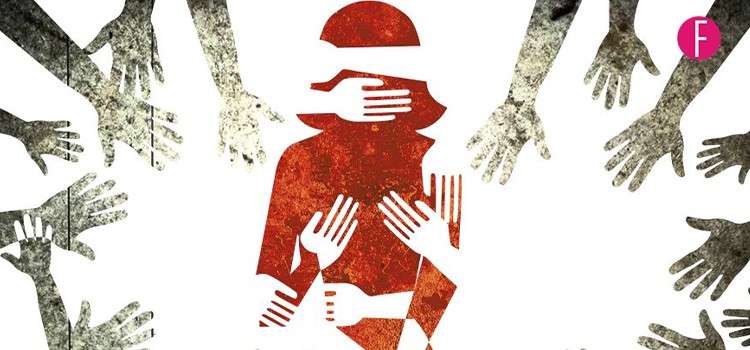
Acid Attack On Doctor In Quetta And 17-Year-Old Rape Case In Jhang Has Sparked Outrage, X Speaks Out
Meanwhile, in Karachi, a tragic incident was reported from Orangi Town where a 64-year-old man allegedly killed his 58-year-old wife inside their home. According to police and media reports, the suspect, identified as Ali Akbar, attacked his wife, Asma, with an iron rod, resulting in her death. Initial reports suggest the incident stemmed from a personal disagreement between the couple, when he wife refused to be intimate with him. The accused later surrendered at the local police station and reportedly confessed to the crime. Police have registered a case and launched further investigations into the circumstances surrounding the killing, including statements from family members and forensic examination of the crime scene.
A doctor attacked at work: Dr Mahnoor Nasir’s acid assault in Quetta
A tragic and disturbing incident was reported Saturday at the Civil Hospital Quetta: a young female surgeon, Dr Mahnoor Nasir, suffered severe injuries and permanent disfigurement from an acid attack perpetrated by an employee of the hospital.
Witnesses say the assailant entered the hospital and directly targeted Dr Nasir while she was performing her duties. The attack resulted in extensive burn injuries to significant areas of her body, including her face, chest, and both arms, as well as a portion of her torso. After receiving initial treatment for her injuries (by the managing physician in Quetta), medical personnel arranged for Dr Nasir’s transportation to Karachi where she received additional treatment from specialist physicians at a private hospital.
Doctors have released statements indicating that she continues to be treated and remains under the direct supervision of physicians specializing in burn injuries after multiple surgeries to treat her injuries. According to police sources, a suspect identified by the authorities after the incident was fatally shot during an exchange of gunfire with law enforcement personnel while attempting to escape from them following his attack on Dr Nasir.
After the incident, numerous physicians in various cities protested (including strike action and demonstrations) under their respective medical associations. The Young Doctors Association (YDA) and Pakistan Medical Association (PMA) condemned this attack, calling it part of a broader pattern of violence against healthcare professionals.
Another tragedy emerges: alleged rape and killing of a 17-year-old girl in Jhang
While public attention remained focused on the Quetta attack, reports from Jhang further intensified public anger. A 17-year-old girl, Eshal Fatima was allegedly abducted and raped before being brought to a hospital in critical condition, where she later died, according to circulating reports and local accounts shared online.
The case, which is under police investigation, has added to growing concerns about rising incidents of sexual violence against minors and women, particularly in smaller cities and rural areas where access to rapid justice and protection is often limited.
Although official details remain under investigation, the incident quickly spread across social media platforms, where users expressed grief, anger, and frustration over repeated cases of violence targeting young women.
Public outrage intensifies on social media platform X
Both incidents triggered a strong response from the users on X (formerly Twitter) and many expressed being shocked, angry, and depressed because they believe this shows an increase in the crisis of gender-based violence against females in Pakistan.
Hashtags and posts related to the incidents trended widely, with many users questioning the ability of law enforcement and the judicial systems to provide protection for women. Many of these posts also pointed out how often these types of incidents occur and requested immediate legislative and institutional change.
While awareness and reporting have increased in recent years, accountability remains limited, with low conviction rates and prolonged legal processes continuing to undermine public trust. Until enforcement is strengthened, investigations are expedited, and survivors are provided with effective legal and institutional protection, gender-based violence is likely to remain a deeply entrenched and unresolved crisis in Pakistan.
Sources: DAWN, Tribune.

