

The federal government’s Budget 2026–27 has introduced a widely welcomed decision to abolish taxes on sanitary pads and contraceptives, marking a significant step toward improving public health access, gender equity, and family welfare planning across Pakistan. The move has been praised as both a social and policy shift that directly addresses long-standing concerns around affordability of essential health products.
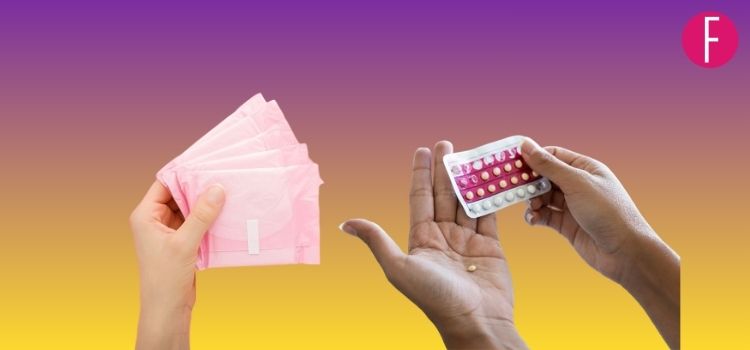
At the heart of this decision is the recognition that menstrual hygiene products are not luxury items, but basic necessities for women and girls. By removing taxes on sanitary pads, the government is aiming to reduce the financial burden on households, particularly those in lower-income communities where access to safe menstrual care has often been limited. Advocates argue that this step directly tackles “period poverty,” a challenge that affects education, mobility, and dignity for millions of women in the country.
Alongside this, the abolition of taxes on contraceptives has also been highlighted as an important part of Pakistan’s broader population management strategy, commonly referred to as “khandani mansuba bandi” or family planning. In simpler terms, it refers to planned parenthood and responsible family size decisions, allowing couples better access to reproductive health tools and information. By making contraceptives more affordable, the government is expected to support public health goals, reduce pressure on resources, and encourage informed family planning choices.
Women’s rights advocates and civil society groups have welcomed the budget announcement, calling it a long-overdue correction in policy. Many have pointed out that essential healthcare products were previously treated like taxable goods, which added unnecessary barriers to access. The removal of these taxes is now being seen as a move toward a more gender-responsive taxation system.
The National Commission on the Status of Women (NCSW) also acknowledged the decision, highlighting years of advocacy efforts by activists and legal petitions that helped push menstrual equity into mainstream policy discussions. Their response described the change as more than just a fiscal adjustment, framing it as a recognition of dignity, health, and equality for women and girls across Pakistan.
Public reaction has been largely positive, with many praising the government for taking a practical step that has an immediate impact on everyday life. Others have noted that while this is a strong beginning, continued efforts will be needed to ensure awareness, accessibility, and cultural acceptance—especially around contraceptive use in conservative social settings.
Overall, the Budget 2026–27 decision is being viewed as a meaningful shift in policy direction. By removing taxes on sanitary products and contraceptives, the government has positioned itself as taking a more progressive stance on women’s health and family welfare, while also addressing long-standing gaps in access and affordability.
Sources: Aaj TV (YouTube), Dawn Images, National Commission on the Status of Women (Facebook)

