

Over the past two months, Pakistan-administered Kashmir has witnessed some of its deadliest unrest in recent years.
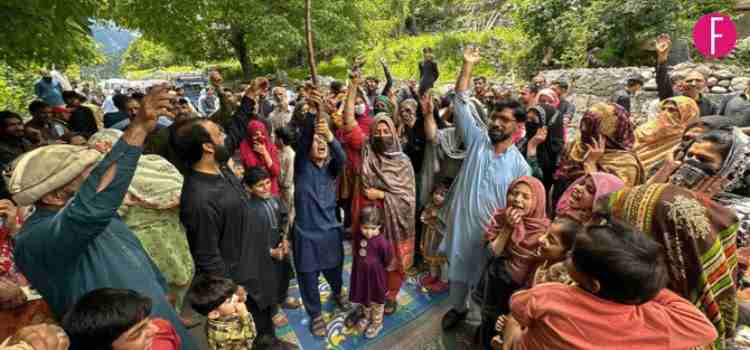
What began as a movement over political representation has evolved into widespread protests that have claimed dozens of lives, injured many more, and disrupted daily life for thousands of residents.
As the situation continues to make international headlines, here’s a closer look at what sparked the protests, how the crisis has unfolded, and why the humanitarian impact deserves global attention.
The Protests Began Over a Dispute About Representation
This new phase of protests has been sparked off by a dispute over 12 reserved seats of the Legislative Assembly of Azad Jammu and Kashmir which are allocated for those refugees of Indian-administered Kashmir who are residing in Pakistan.
The protests have been organized by the Joint Awami Action Committee (JAAC), an organization comprising traders, transporters, lawyers, students, and social activists. The main reason put forward by the protestors is that this process diminishes the political representation of those residents who reside in this area. This was further inflamed when a court order declared that such reserved seats cannot be abolished without a change in the constitution.
Dozens of People Have Lost Their Lives
What started as peaceful demonstrations has turned increasingly deadly.
According to the UN Human Rights Office, as many as 31 people have died since June; some were protesters, while others belonged to the security forces. Earlier in this month, nine people died within a day of clashes in Tararkhal and Rawalakot district, which is considered one of the most deadly days of the protests so far.
Many other people have been injured and the families in the region continue to suffer as a result of the unrest, which does not seem to stop.
Everyday Life Has Been Severely Disrupted
While the news focuses on the big picture, the real cost is being paid by the common citizens.
Road blockades, market shutdowns, transport disruptions, and internet blackouts, including Wi-Fi and mobile data, have all had an impact on the functioning of business, educational institutions, healthcare facilities, and public utilities. Markets have been shut down for days on end, depriving daily wage earners of their income and making it even more difficult for people to buy their necessities.
The restrictions have also affected journalists trying to cover the situation. Reports indicate that media access has been limited, with some journalists facing difficulties while attempting to report on the protests. The communication blackout has made independent reporting and verification of events more challenging, leaving many people relying on limited sources of information during a rapidly changing situation.
Even communication disruptions have made it difficult for people to communicate with their family members during the already stressful times.
The Humanitarian Situation Is Drawing International Attention
As the violence has escalated, international organisations have expressed concern about its impact on civilians.
The United Nations High Commissioner for Human Rights has called for prompt, thorough and impartial investigations into all reported deaths, restoration of internet access, and meaningful dialogue to address the concerns of local residents. The UN has also voiced concern over restrictions affecting freedom of expression, peaceful assembly, and access to information during the unrest.
How Can People Help?
Although the crisis is unfolding inside Kashmir, people elsewhere can still play a role.
One of the most important ways to help is by sharing verified information from credible news organisations and humanitarian sources, ensuring that the experiences of affected civilians are not overshadowed by misinformation.
Local communities have also been supporting one another by helping families access food, transport, and essential supplies wherever possible. Humanitarian organisations continue to stress the importance of protecting civilians and ensuring that aid and medical care remain accessible to those who need it most.
Given the number of lives lost and others affected, what happens in Kashmir is no longer a regional issue; it is a humanitarian issue. Given how the rest of the world is watching the developments in the region, it is worth pointing out that each of the numbers mentioned represent people who wish for peace and safety and an opportunity to start afresh.
This is a developing story.
Sources: Reuters, and Al Jazeera.

