

Pakistan’s monsoon season has once again become a reminder of just how devastating extreme weather can be. Weeks of relentless rainfall have triggered flash floods, roof collapses, urban flooding and landslides across several parts of the country, claiming more than 110 lives and leaving hundreds injured since the rains began in late June.
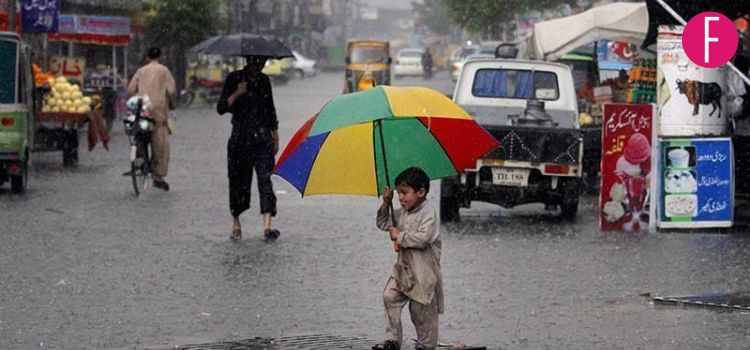
With forecasts warning that another powerful spell of rain is already moving towards northern and central Pakistan, authorities remain on high alert as emergency teams continue rescue, relief and rehabilitation efforts in the worst-hit areas.
Which areas have been hit the hardest?
The damage has stretched across much of Pakistan, but Khyber Pakhtunkhwa remains the province that has suffered the greatest loss of life during the current monsoon season. Punjab has recorded the second-highest number of fatalities, while casualties have also been reported in other areas.
In many cases, it has not been overflowing rivers alone that have claimed lives. Collapsing roofs and walls during heavy downpours, electrocution, drowning and flash floods have all contributed to the rising death toll.
Punjab has faced particularly severe flooding in recent weeks. Large parts of Lahore and surrounding districts were inundated after repeated cloudbursts dumped extraordinary amounts of rain within a short period, while floodwaters submerged agricultural land and low-lying communities in several districts. Authorities described some flooded areas as resembling an inland sea as water spread across vast stretches of the province.
Although river levels have begun to stabilise in some places, officials continue to monitor waterways closely as fresh rainfall is expected over the coming days.
Another spell of heavy rain is on the way
The Pakistan Meteorological Department has warned that a fresh monsoon system is expected to affect large parts of the country, bringing widespread rain and thunderstorms through early August.
The forecast includes Islamabad, upper and central Punjab, Khyber Pakhtunkhwa, Azad Jammu and Kashmir, Gilgit-Baltistan and parts of Balochistan, while Sindh also remains under the threat of heavy rainfall in several districts.
Authorities have warned that low-lying urban areas could once again experience flooding if rainfall intensifies, particularly in major cities including Lahore, Rawalpindi, Islamabad and Peshawar. Northern mountainous regions also remain vulnerable to landslides and Glacial Lake Outburst Floods (GLOFs), where melting glaciers can suddenly release large volumes of water with little warning.
With much of the country already saturated after weeks of rain, even moderate downpours could quickly worsen conditions.
Federal and provincial authorities step up emergency response
As the situation continues to evolve, both federal and provincial governments have expanded emergency operations to deal with the crisis.
Prime Minister Shehbaz Sharif has directed disaster management authorities across the country to remain fully prepared for additional rainfall, instructing federal and provincial agencies to strengthen coordination and ensure emergency response systems remain operational around the clock.
The National Disaster Management Authority (NDMA) has been tasked with providing continuous weather updates and early warnings so local administrations can respond before conditions deteriorate. The government has also ordered daily monitoring meetings to review the developing weather situation and coordinate relief efforts.
Emergency responders have continued rescue and rehabilitation operations in affected communities, while authorities say hundreds of damaged roads have already been reopened following clearance work. Officials have also highlighted the importance of keeping early warning systems active, particularly in northern regions facing the risk of flash floods and glacier-related flooding.
Relief camps, flood monitoring and public safety alerts
Provincial authorities have also introduced a series of measures aimed at protecting residents in flood-prone areas.
In Punjab, relief camps have been established to accommodate displaced families while emergency teams continue pumping floodwater from affected neighbourhoods. Residents living near rivers, seasonal streams and floodplains have been urged to relocate whenever evacuation orders are issued, with officials assuring that shelters have been stocked with basic supplies, medical assistance and other essential services.
The Provincial Disaster Management Authority (PDMA) has continued issuing regular flood advisories as rainfall affects rivers, canals and seasonal streams across the province. Authorities have also warned of the possibility of landslides in hilly regions, while advising the public to avoid unnecessary travel during periods of intense rainfall.
Alongside rescue operations, officials are also working on longer-term planning, including identifying hundreds of potential water storage sites that could help capture monsoon rainwater for agricultural use during drier months.
A growing reminder of Pakistan’s climate challenge
The latest monsoon season once again highlights Pakistan’s growing vulnerability to extreme weather.
Although the country contributes only a small share of global greenhouse gas emissions, it continues to experience increasingly frequent and intense climate-related disasters, from catastrophic floods and prolonged heatwaves to unpredictable rainfall patterns. With the monsoon season expected to continue until September and additional rain forecast over the coming weeks, emergency authorities remain focused on limiting further loss of life while preparing communities for what could still be a difficult remainder of the season.
Sources: Al-Jazeera, Business Recrder, Dawn, Arab News

