

Some films become classics because they remind us of a particular time in our lives. And then there are films that somehow refuse to belong to any particular time at all. Dil Chahta Hai is one of them.
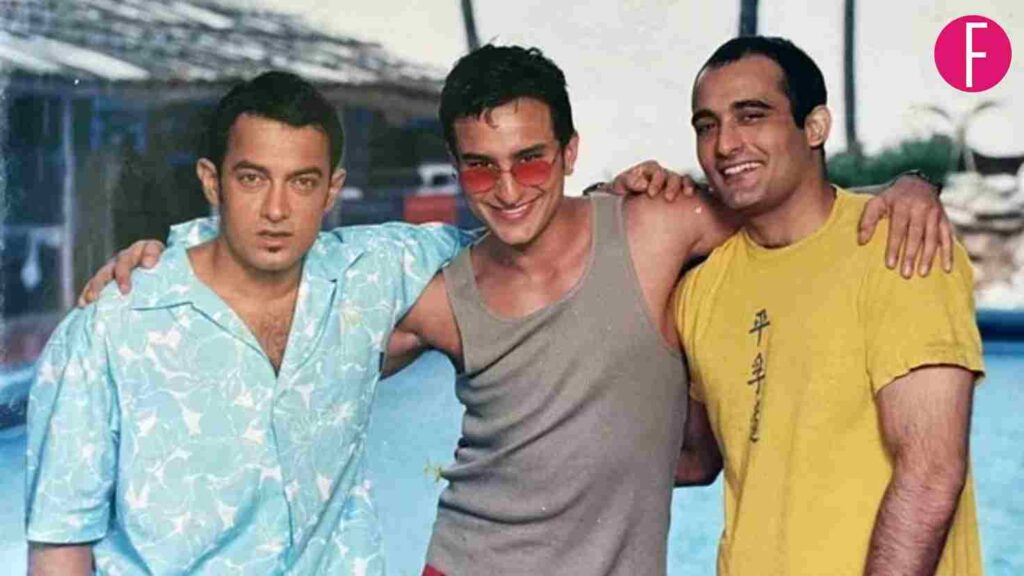
Released on August 10, 2001, Farhan Akhtar’s directorial debut arrived at a time when mainstream Hindi cinema was still heavily invested in larger-than-life romances, family dramas and dramatic declarations of love. Then came three friends in T-shirts, messy relationships, witty conversations, expensive cars, a Goa road trip and absolutely no interest in behaving like the typical Bollywood characters we’d seen onscreen.
Even after 25 years, Akash, Sameer and Sid seem quite relatable. In fact, there are certain aspects of Dil Chahta Hai which seem more relevant now than in 2001.
It Showed Friendship As Something That Could Change
Probably one of the most significant factors contributing to the unique appeal of Dil Chahta Hai is that the movie does not treat friendship as an absolutely perfect thing that unites three men forever. Akash, Sameer and Sid are close friends who love each other, yet they are also very different individuals. And when they grow up, their differences start to matter.
Their priorities change. Relationships become different. Perceptions of life become different. At some point, they grow apart from each other. And that is the part that was remarkably honest for its time.
Most films would have made the friendship itself the happy ending. Dil Chahta Hai understood that growing up sometimes means drifting apart, and that doesn’t necessarily mean the friendship was fake. Even today, that feels incredibly relatable. We have all had friendships where constant conversations became occasional calls, and weekend plans became “we really need to meet soon.” The film understood that life doesn’t always destroy friendships dramatically. Sometimes, people simply move in different directions.
Farhan Akhtar’s movie made the emotional transformation an integral part of the story and not a subplot. Twenty-five years later, that may be one of the biggest reasons people still see themselves in these three characters.
It Let Characters Have Complicated, Uncomfortable Relationships
This is where Dil Chahta Hai was truly ahead of its time. Dil Chahta Hai did not depict the concept of love through the clichéd process of boy meets girl, falls in love with her, all ends happily and is approved by everyone.
Consider Sid and Tara for instance.
Sid falls for Tara, an older woman who is divorced and struggling with alcoholism. The relationship makes his friends uncomfortable, his family doesn’t understand it and society certainly isn’t presented as being ready to accept it. Yet the film doesn’t turn Tara into a negative character or Sid into a rebellious hero simply because their relationship is unconventional. It allows the situation to be complicated.
The same goes for the other relationships. Sameer is hopelessly romantic, but his love story isn’t presented as some grand cinematic destiny. Akash initially treats relationships casually, only to eventually discover that he has feelings he cannot joke his way out of.
And importantly, the women in the film aren’t simply there to complete the men’s stories. Shalini, Pooja and Tara have their own personalities, choices and emotional journeys.
For a mainstream Hindi film released in 2001, that casual treatment of complicated relationships was remarkably modern. Retrospectives have repeatedly pointed to the film’s relaxed approach to love, money and relationships as one of the reasons it felt so different from the cinema around it.
It Made “Being Young” Look And Feel Completely Different
And then there is the thing that everyone remembers even before they remember the plot: the vibe.
The clothes. The haircuts. The apartments. The cars. The music. The cafés. The Goa trip. The conversations. Everything felt contemporary without desperately trying to announce that it was contemporary. That was a huge shift.
There was a specific type of urban Indian youth showcased in the movie that had financial resources, dreams, friends, romantic confusions, and the freedom to figure things out. The movie did not want to portray them as superheroes either. They were flawed, privileged and at times, self-centered, but this is what made them more human.
Even the very way in which the movie was made was innovative. The use of sync sound in Dil Chahta Hai was relatively new for mainstream Hindi films. Location based cinematography and modern visual language made the movie more visually appealing.
Even the soundtrack hasn’t dated like so many 2000’s albums. The music of Shankar-Ehsaan-Loy became synonymous with the film, with songs that still instantly transport people back to Akash, Sameer and Sid’s world.
Twenty-five years later, the outfits could be very different, and the technology will definitely be. But the friendships, the broken hearts, the awkward conversations, the drifting apart and the urgent need to return to those you love?
Those haven’t changed very much at all.
And if you still haven’t watched Dil Chahta Hai, consider this your sign to watch it right away!

