

Almost 2 months later, people are still dealing with the after-effects of the catastrophic floods that have engulfed many areas across Pakistan. Even though the army and multiple organizations are working tirelessly towards flood relief, several areas are still under water, people do not have shelter, proper food, or medical supplies.
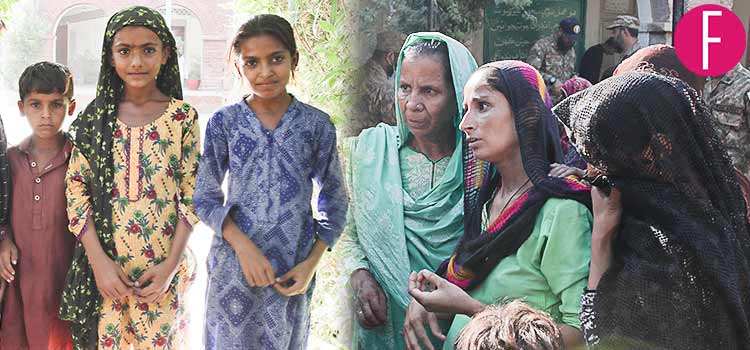
In collaboration with ISPR, Team FUCHSIA got a chance to visit Sehwan Shareef and Dadu to monitor the situation up close and remind people that the Pakistani people affected by floods still need assistance. We talked to residents who have lost their means of income, houses, and personal belongings, and asked them what they need. Our purpose was to make people aware of the conditions and demands of flood affectees in the aforementioned areas.
Read on to know how the floods have affected the areas and the lives of the people living there.
5 Key Things To Note
1. Cotton Crops Have Been Destroyed
Farmers’ cotton crops that were ready to be harvested have been destroyed. The farmland is flooded so much so that motor boats are running on it presently… this means no income from the harvest & sale of crops and uncertain future earnings as the wheat crop that needs to be planted might not be possible if the land is not dry and ready in time for the sowing season. This would mean the community will be deprived of its livelihood, leading to poverty, malnutrition, dependence on aid, and multiple negative aftermaths of the floods unless we help them materially, and financially to cover their losses.
2. Children Are Sleeping On The Scorching Hot Ground
The ground is scorching hot and children have to sleep on it. Despite rescue efforts, families need homes, and shelter before the winter sets in… presently, children have to sleep on the ground which is burning hot in the Dadu/Sehwan Shareef regions.
3. Women Are Using Scissors To Cut Umbilical Cords
Women who are expecting do not have access to safe, hygienic health and maternity care. They have employed a pair of scissors to cut the umbilical cord when giving birth. Although maternity kits are being supplied by organizations to help alleviate their plight, many still need help.
4. Water-borne Diseases Are On The Rise
Water borne diseases – diarrhoea, stomach viruses, skin diseases, dengue are on the rise due to flood waters not receding in time.
5. Children Mostly Stay Hungry
The inhabitants are offered two meals a day. One is rice in the morning. Many children are unable to eat it and stay hungry till they get their evening meal.
Apart from the above-mentioned points, the temperature in Sehwan Shareef and Dadu are extremely high, making it difficult for the residents living there.
2 months may have passed but let’s not forget the plight of Pakistani flood affectees. We hope you take away something important from this article and contribute as much as you can toward flood relief.

